


Table of Contents
Planning an Ohme EV charger installation at home? Before purchasing your charger or arranging an electrician, it is worth understanding the electrical supply requirements, connection method, circuit protection, cable route and commissioning process.
One useful advantage of the Ohme Home Pro is its factory-fitted, approximately 1-metre flying lead. The electrician does not need to open the charger to terminate the mains supply. Instead, the supply is connected externally, commonly in a suitable weatherproof junction box.
This installation guide explains the differences between the Ohme Home Pro and Ohme ePod, how they connect to the electrical supply, and what a qualified installer needs to assess before starting work.
Electrical4Less supplies Ohme EV chargers on a supply-only basis. Customers can arrange installation independently with a suitably qualified electrician experienced in EV charging installations.
Important: This article provides general installation information. All electrical work must follow the current Ohme instructions, BS 7671 and applicable UK requirements. It does not replace professional electrical design, testing or commissioning.
1. Choosing Between the Ohme Home Pro and ePod
Both the Ohme Home Pro and Ohme ePod provide up to 7.4kW single-phase charging and support Ohme smart-charging functionality. However, their cable arrangements and electrical connection methods differ.
Ohme Home Pro – Tethered Charger
The Ohme Home Pro is supplied with a permanently attached Type 2 vehicle charging cable and an integrated LCD display.
Electrical4Less supplies the Ohme Home Pro 5m and Ohme Home Pro 8m.
The 5m version suits locations where the vehicle parks relatively close to the charger. The 8m option provides additional reach for longer driveways or different parking positions. The cable route should be measured before selecting either model.
Ohme ePod – Socketed Charger
The Ohme ePod is a compact socketed EV charger without a permanently attached vehicle charging cable.
It uses a separate compatible charging lead and may appeal to customers who prefer a discreet appearance when the vehicle is not connected.
For a detailed comparison of the models and their everyday features, read our Ohme Home Pro vs ePod comparison guide.
2. Ohme Home Pro Installation – Pre-Wired Flying Lead
The Ohme Home Pro has a particularly straightforward electrical connection arrangement. Unlike many EV chargers that require the electrician to terminate the mains supply inside the charger enclosure, the Home Pro arrives with its input cable already factory-connected.
The charger is supplied with a 1-metre fixed input cable, commonly called a flying lead. The lead contains the supply conductors and connections for the CT-clamp load-balancing system.
The electrician installs the charger onto its mounting plate and connects the flying lead to the installation wiring externally. There is no requirement to open the sealed charger body to make the mains supply connection.
Where Is the Home Pro Supply Connected?
Ohme specifies that the flying lead can be terminated in a suitable junction box, isolation switch or mini consumer unit. These external connection enclosures are not included with the charger.
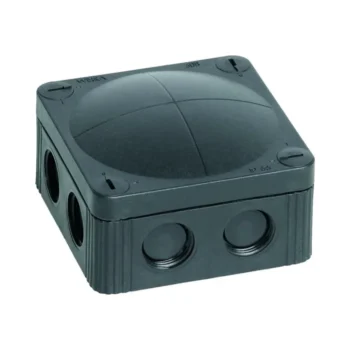
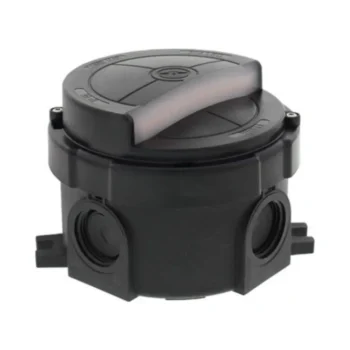
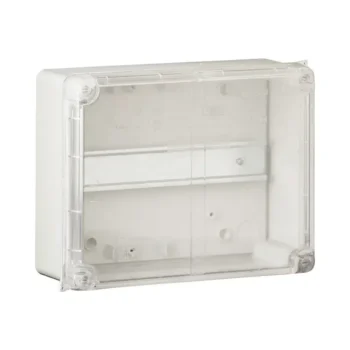
For many domestic installations, a correctly selected weatherproof junction box provides a practical way to connect the fixed charger lead to the supply cable.
According to Ohme’s UK installation guidance, the flying lead has 6mm² copper power conductors and an overall cable diameter of approximately 15.2mm.
Ohme specifies that a junction box should be rated at least 32A, have an IP rating suitable for its installed location, and provide sufficient space for the required terminals. The instructions refer to three-way terminal arrangements without load balancing or five-way arrangements where the load-balancing conductors are included.
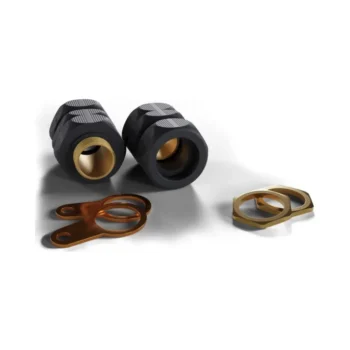
The electrician must select appropriately rated mains terminals, suitable cable glands, mechanical protection and an enclosure large enough to maintain safe connections and the required environmental protection.
The CT-clamp connection accessories supplied by Ohme are not a substitute for selecting properly rated mains supply connectors.
What Is Included With the Ohme Home Pro?
The Home Pro installation package includes the charger with its factory-connected input lead, mounting components, cable holder, charging connector holster, CT clamp and associated CT connection accessories, subject to the exact model and package supplied.
The electrician must provide the external supply connection enclosure, mains terminals, supply wiring and protective equipment appropriate to the installation.
Why Is This Useful for Electricians?
- No need to open the sealed charger enclosure to connect the mains supply.
- The fixed input lead is already connected by the manufacturer.
- Supply connections can be made in an accessible, appropriately rated external enclosure.
- The installation arrangement can simplify positioning, wiring and future inspection of the external connections.
- Less handling of internal charger components is required during installation.
This arrangement can make the Ohme Home Pro convenient to install, particularly for electricians familiar with external junction-box connections.
However, the complete circuit still requires appropriate design, cable selection, protection, electrical testing and commissioning. A simpler connection arrangement does not remove any electrical safety obligations.
For manufacturer instructions, see Ohme’s official Home Pro installation guidance.
3. How Is the Ohme ePod Connected?
The Ohme ePod uses a different electrical connection arrangement from the Home Pro.
Instead of a factory-fitted external supply lead, the electrician connects the supply conductors to the terminals inside the ePod enclosure.
The input cable can enter through the manufacturer’s specified rear or underside cable entry. The electrician must use the correct cable entry arrangement and glands, connect the live, neutral and earth conductors, and correctly refit the charger cover.
Where separate CT-clamp wiring is required, the ePod has its own data connection arrangement. A suitable additional gland may be required to maintain weather protection.
For the model-specific procedure, refer to Ohme’s official ePod installation instructions.
4. Electrical Supply Requirements
Before an Ohme charger is installed, the electrician should assess the property supply, existing electrical demand and suitability of the distribution equipment.
A 7.4kW single-phase charger can draw approximately 32A at its maximum rated output. The installation must therefore be designed to accommodate the expected charging demand safely.
Incoming Supply and Consumer Unit
The assessment should consider:
- Incoming supply and main fuse capacity
- Existing property electrical demand
- Available spare capacity
- Condition and suitability of the consumer unit
- Existing protective devices
- Earthing and bonding arrangements
- Need for dynamic load balancing
- Any supply network notification or approval requirements
Where the electrical installation has limited available capacity, correctly configured dynamic load balancing can help manage charging demand. However, it does not replace a proper assessment of supply capacity.
5. Earthing and PEN-Fault Protection
EV charging installations require particular attention to the earthing system and protective measures.
The electrician must identify the earthing arrangement, including TN-C-S (PME), TN-S or TT where applicable, and confirm that the installation meets the relevant requirements of BS 7671 Section 722.
Ohme Home Pro and ePod chargers include integrated PEN-fault detection. This is a useful feature for installations where the relevant conditions for using the manufacturer’s protective arrangement are satisfied.
However, integrated PEN-fault protection does not remove the need to assess the earthing system, bonding arrangements and the complete installation design.
6. RCD, Overcurrent and Surge Protection
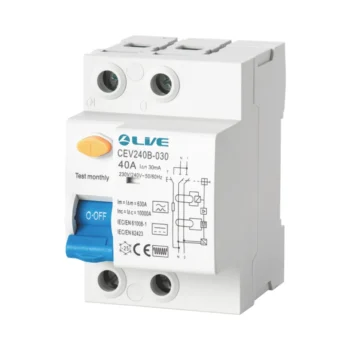
Ohme chargers incorporate residual-current protection features, including Type A characteristics and 6mA DC fault detection, as described in the manufacturer’s technical documentation.
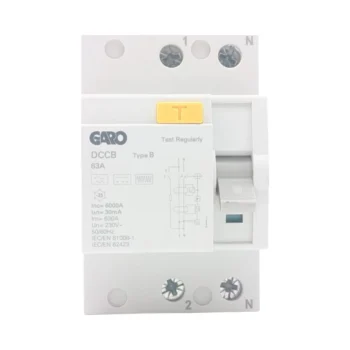
These built-in features must be considered alongside the external protective arrangement. The charger still requires suitable overcurrent protection, and any additional RCD requirements must be determined using the exact manufacturer’s instructions and applicable wiring regulations.
The electrician must select the correct protective devices for the installation, accounting for cable characteristics, fault levels, disconnection requirements and manufacturer recommendations.
Surge protection requirements must also be assessed under the applicable provisions of BS 7671.
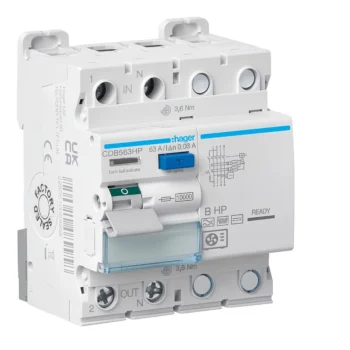
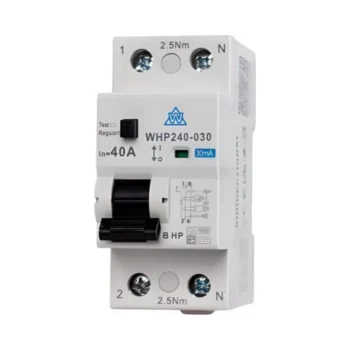
Electrical4Less supplies EV circuit protection equipment suitable for a range of charging installations, subject to correct specification by the installer.
7. Does an Ohme Charger Need a Dedicated Consumer Unit?
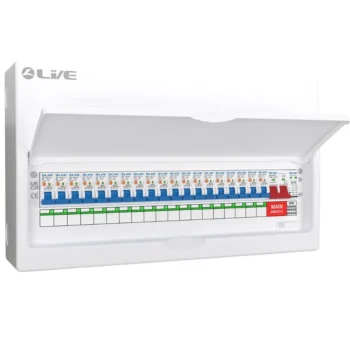
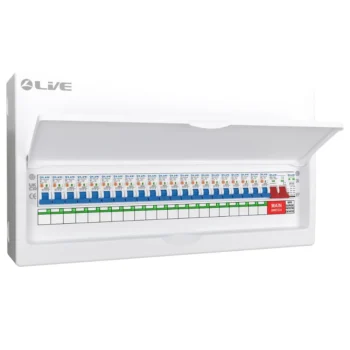
A separate EV charger consumer unit is not automatically required.
Where the existing consumer unit is suitable, has sufficient capacity and can accommodate the required protective arrangement, the charger may be supplied from the existing distribution equipment.
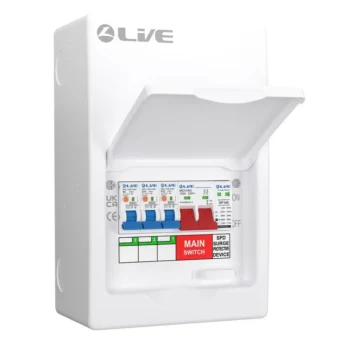
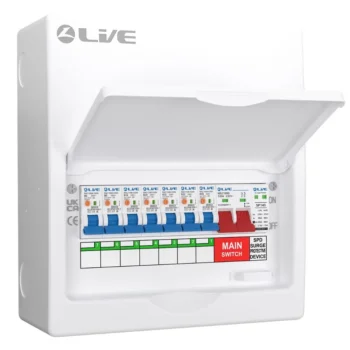
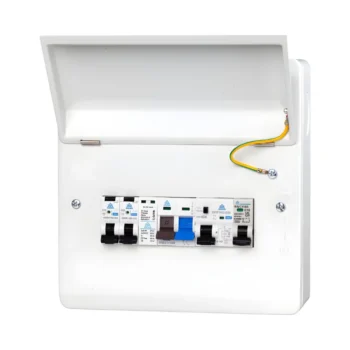
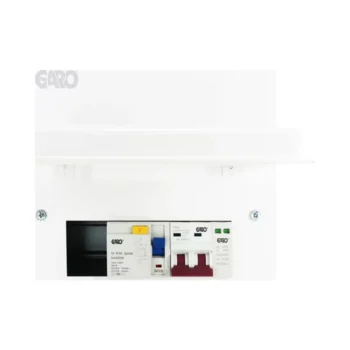
A dedicated EV consumer unit may be preferable where the existing board has limited space, requires upgrading or where the installation design benefits from a separate arrangement.
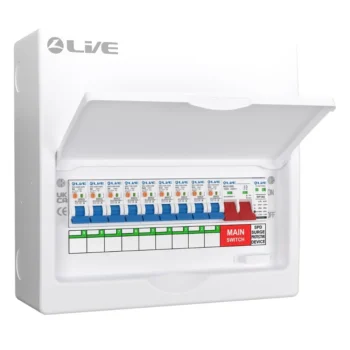
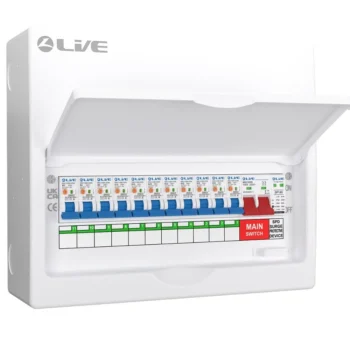
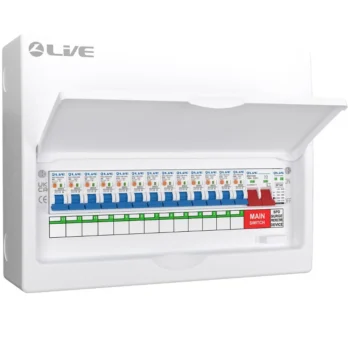
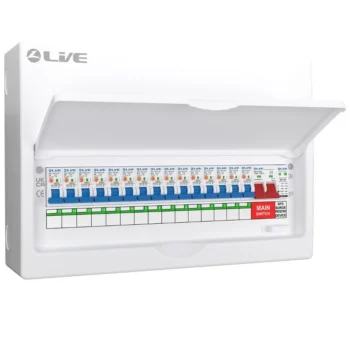
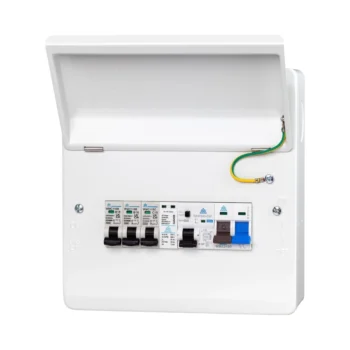
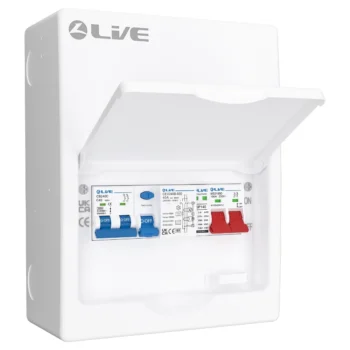
A suitable EV consumer unit may provide space for overcurrent protection, any required RCD protection, isolation and surge protection, depending on the design.
Browse our EV charger consumer units. The electrician should confirm the exact specification before equipment is ordered.
8. Choosing the Correct EV Installation Cable
The cable supplying an Ohme charger must be selected according to the installation design.
Factors include the expected current, route length, installation method, ambient temperature, grouping, voltage drop, fault protection and environmental conditions.
Although 6mm² cable is common in EV charging installations, it should not automatically be assumed suitable for every 7.4kW charger circuit.
The electrician must determine the correct conductor size and whether armoured or other mechanically protected cable is required.
Combined Power and Data Cable
Some Ohme installations require data wiring for the CT-clamp load-balancing system.
Where supply wiring and load-balancing data wiring follow a common route, a combined power and data cable may simplify cable installation and containment.
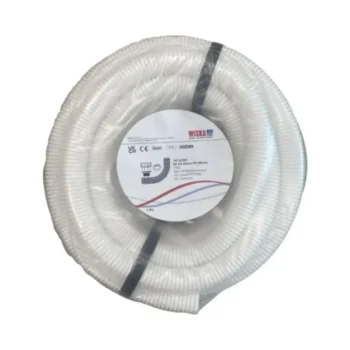
Electrical4Less supplies UK Cables Trident Plus6 3 Core 6mm² with Cat6A FTP, which combines power conductors with screened data cabling.
However, the combined cable must be suitable for the electrical design, and the data conductors must be connected only as required by the charger manufacturer’s instructions.
Ohme chargers use built-in mobile connectivity for their smart services. The Cat6A element of an EV installation cable should not be confused with a requirement for an Ethernet internet connection.
Browse our EV installation cable range for other suitable cable options.
9. Ohme CT Clamp and Dynamic Load Balancing
The Ohme Home Pro and ePod are supplied with a CT clamp for monitoring electrical demand and supporting dynamic load balancing.
Once installed and configured correctly, the charger can reduce the current available to the vehicle when household electrical demand increases.
This helps manage the load on the incoming electrical supply.
Home Pro CT-Clamp Connection
The Home Pro’s factory-fitted flying lead includes the conductors needed for CT-clamp communication. These can be joined to suitable data wiring in the external connection arrangement, with the supplied CT connection accessories used as instructed by Ohme.
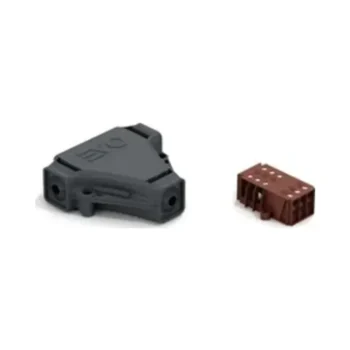
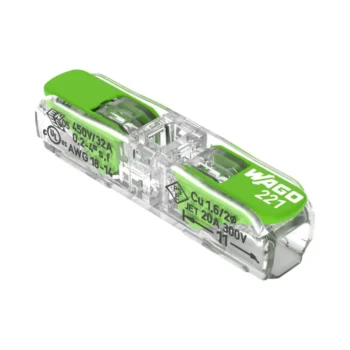
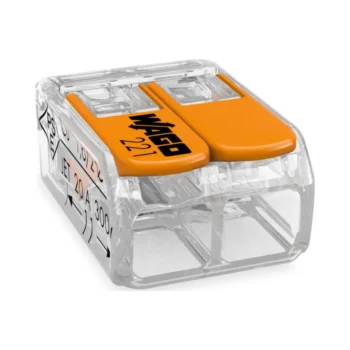
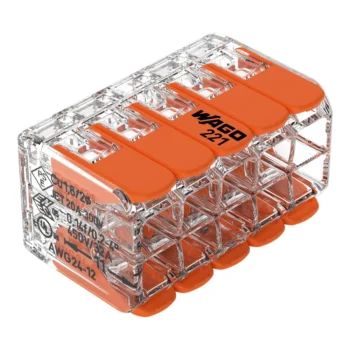
Ohme’s instructions describe a supplied Wago connection box for connecting the CT-clamp wiring.
The electrician must position the CT clamp at the correct measurement point, observe the required orientation, connect the wiring properly and configure the load-balancing settings during commissioning.
The CT-clamp connections must remain separate from mains supply terminations as required by the manufacturer’s instructions.
What Happens if the CT Clamp Is Incorrectly Connected?
Incorrect CT-clamp positioning, disconnection or communication failure can affect the charger’s load-balancing behaviour. Ohme documents a reduced charging-current fallback for certain Home Pro configurations where load balancing is enabled and the CT signal is unavailable.
The electrician should verify the installed model’s fail-safe behaviour, configure the correct supply limit and test the load-balancing function before handing over the charger.
See Ohme’s CT-clamp installation guidance for manufacturer instructions.
10. Charger Mounting Position and Cable Route
The charger location should be agreed before installation work begins.
- Confirm the normal vehicle parking position.
- Check the vehicle charging socket location.
- Ensure the tethered or separate Type 2 lead can reach comfortably.
- Consider pedestrian access and trip hazards.
- Choose a sound and suitable wall mounting surface.
- Assess exposure to weather and mechanical damage.
- Plan supply and CT-clamp cable routes.
- Consider accessibility and future maintenance.
For the Home Pro, allow for the approximately 1-metre fixed input lead when choosing the external junction-box or isolator position.
For outdoor connections, suitable enclosure protection, cable glands and installation methods are essential to prevent water ingress.
11. Ohme Connectivity and Smart Charging
Ohme chargers use integrated mobile connectivity for their smart charging services. The installer should assess the suitability of the mobile signal at the proposed charger position and follow any model-specific connectivity instructions.
After electrical commissioning, the customer can configure the Ohme app and supported smart-charging features.
Ohme supports scheduled charging and selected electricity tariff integrations. Availability depends on the vehicle, electricity supplier, tariff and current compatibility arrangements.
Tariff compatibility should be checked directly with Ohme and the relevant energy supplier before relying on a particular integration.
12. Electrical Testing and Commissioning
Once the charger is mounted and connected, the electrician must complete the required inspection, electrical testing and commissioning.
Depending on the installation, this involves verifying:
- Supply characteristics and protective device suitability
- Earthing and bonding arrangements
- Protective conductor continuity
- Insulation resistance and polarity
- Earth fault loop impedance and disconnection requirements
- Applicable residual-current protection tests
- Correct charger configuration
- CT-clamp readings and load-balancing behaviour
- Charger connectivity and smart-app setup
- Safe charging operation
Appropriate inspection, testing and commissioning records should be completed. The electrician should provide the required electrical certification and explain the charger’s operation to the customer.
The installer must also consider any applicable building regulations, notification and electricity network requirements.
13. How Long Does an Ohme Charger Installation Take?
Installation time varies depending on the property and the amount of electrical work required.
A straightforward installation with a short cable route and suitable existing electrical equipment will normally require less work than an installation involving long cable runs, additional containment, supply upgrades or consumer unit modifications.
The Home Pro’s pre-wired flying lead can simplify the charger connection process, but overall installation time still depends on the full electrical design and site conditions.
Your electrician should assess the property before providing an estimated installation duration and estimated cost.
14. Planning Permission and Other Approvals
Many domestic EV charger installations in England can be carried out under permitted development rights, subject to the applicable conditions and limitations.
Additional requirements may apply to listed buildings, conservation areas, leasehold properties, shared parking arrangements and installations near public footways.
Where a charging cable would cross a public pavement, the appropriate permissions and an authorised arrangement must be considered. A loose cable across a public footway should not be assumed acceptable.
Requirements vary across the UK, so customers should check with the relevant authority where permissions are uncertain.
15. Ohme Installation Checklist
Before purchasing an Ohme charger and arranging installation, discuss the following points with your electrician:
- Choose between the Home Pro and ePod.
- Confirm whether a 5m or 8m tethered cable is appropriate.
- Check the incoming supply and existing electrical demand.
- Confirm earthing and circuit protection requirements.
- Decide whether a dedicated EV consumer unit is needed.
- Determine the correct supply cable size and type.
- For the Home Pro, select a suitable external junction box or other approved connection enclosure.
- Confirm appropriate mains terminals, glands and enclosure protection.
- Plan the CT-clamp wiring and load-balancing arrangement.
- Check the charger mounting position and mobile connectivity.
- Confirm any permissions, notifications and approvals.
- Agree electrical testing, certification and commissioning.
Confirming these details before ordering helps reduce the risk of incorrect equipment selection or delays on installation day.
Buying an Ohme Charger Without Installation
Customers do not have to purchase an Ohme charger together with an installation package.
Electrical4Less supplies Ohme chargers separately, allowing homeowners and electrical contractors to arrange installation with their preferred qualified electrician.
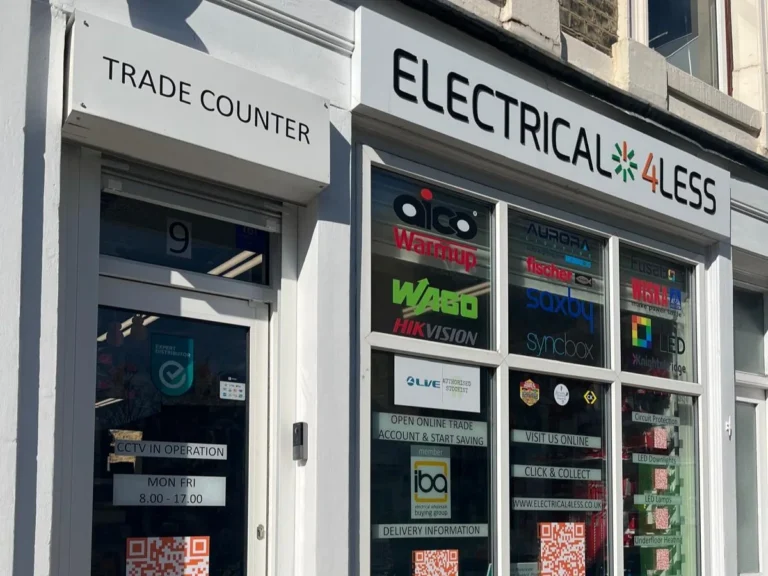
We are an independent electrical wholesaler based at 9 Seagrave Road, Fulham, London SW6 1RP, and members of the Independent Buying Association (IBA) and Electrical Distributors’ Association (EDA).
Alongside Ohme chargers, Electrical4Less supplies EV installation cables, suitable consumer units, circuit protection and a wide range of electrical installation products.
Browse our Ohme charger range to check current product availability and prices.
Frequently Asked Questions About Ohme Charger Installation
Explore Ohme Chargers and EV Installation Products
Before ordering, confirm the charger model and installation materials with your electrician.
Electrical4Less supplies Ohme Home Pro and ePod chargers for UK delivery or collection from our Fulham trade counter, alongside the electrical equipment needed for a range of EV charging installations.





























Leave a Reply