

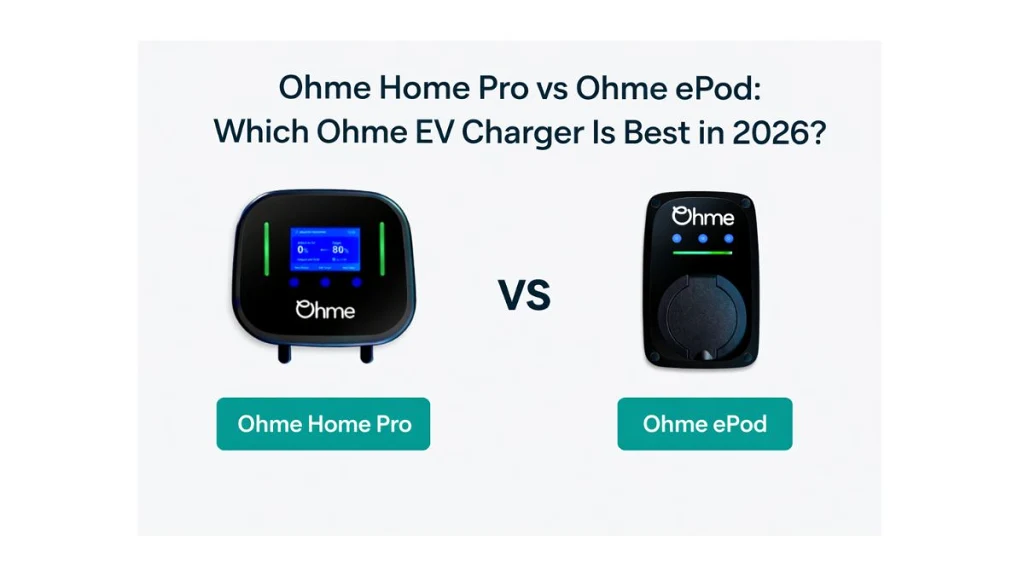
Choosing between the Ohme Home Pro and Ohme ePod? Both are 7.4kW smart home EV chargers, but one has a permanently attached cable and display, while the other has a compact socketed design.
This comparison explains the practical differences in cable handling, screen, installation planning and everyday use, so you can choose the model that suits your parking arrangement.
We also cover the shared smart-charging features and what to check with your installer before buying a charger on a supply-only basis.
Ohme Home Pro vs ePod: What Do They Have in Common?
Both models are rated at up to 7.4kW on a suitable single-phase supply and offer Ohme smart-charging features. Their main differences are how you connect the vehicle and how you interact with the charger.
Both models include:
- 7.4kW / 32A single-phase charging
- Built-in 4G multi-network connectivity on the UK models described by Ohme
- Smart charging and supported energy-tariff integration
- Solar charging compatibility, subject to setup and installation requirements
- Home load balancing when configured with the appropriate CT clamp
- Over-the-air software updates
- 3-year manufacturer warranty
Both have the same maximum advertised charging power, but actual charging speed depends on the vehicle and electrical installation. Individual features and integrations should be confirmed against the current manufacturer specification.
For most buyers, the clearest starting point is whether a permanently attached charging lead or a socketed unit would be more convenient.
Ohme Home Pro Overview
The Ohme Home Pro is the tethered model.
Key Features
- Permanently attached Type 2 cable; 5m standard, with an 8m option
- Built-in LCD screen
- IP55 weather protection
- Compact wall-mounted unit
- Full access to Ohme smart charging features
Because the cable is attached, you simply plug in and charge. The built-in screen shows live charging information without opening the app.
Best For
The Home Pro is likely to suit you if you:
- Charge daily
- Want maximum convenience
- Prefer a built-in display
- Don’t mind a visible cable
The Home Pro is a practical choice if you charge frequently and value having the lead and display built into the unit.
Ohme ePod Overview
The Ohme ePod is the socketed (untethered) model, so the vehicle charging lead is separate.
Key Features
- Untethered (use your own charging cable)
- Compatible with Type 1 and Type 2 vehicles
- IP54 rated
- Slim, discreet appearance
- Same smart charging platform
Without a permanently attached cable, the ePod looks cleaner on the wall when not in use.
Best For
The ePod may suit you if you:
- Prefer a minimalist exterior
- Don’t mind plugging in your own cable
- Want a more discreet installation appearance
It offers the core Ohme smart-charging platform, but uses app and on-unit button controls rather than the Home Pro’s built-in LCD screen.
Ohme Home Pro vs ePod: Side-by-Side Comparison
| Feature | Ohme Home Pro | Ohme ePod |
|---|---|---|
| Cable Type | Tethered | Untethered |
| Built-in Screen | Yes | No |
| Charging Speed | 7.4kW | 7.4kW |
| Connectivity | 4G multi-network SIM | 4G multi-network SIM |
| Smart Tariff Integration | Yes | Yes |
| Solar Charging | Compatible with appropriate setup | Compatible with appropriate setup |
| Warranty | 3 Years | 3 Years |
The headline power rating and core smart-charging capabilities are similar. The decisive differences for everyday use are the tethered cable, display and unit design.
Tethered vs Socketed: Which Is More Convenient?
Think about where the vehicle will park, the location of its charge port and whether you want to handle a separate cable every time.
Tethered Advantages
- Faster daily use
- No separate cable handling
- On-unit display
Untethered Advantages
- Cleaner look
- Choice of a compatible separate charging cable
- More discreet exterior
Your choice should reflect how you use your vehicle and how important aesthetics are to your property.
Smart Charging in 2026
Ohme supports scheduled charging and selected smart-tariff integrations. The available options depend on the energy supplier, tariff, vehicle and current Ohme services.
Depending on the settings and compatibility, both models can:
- Schedule charging during lower-cost tariff periods
- Work with supported smart-tariff integrations
- Use app-based charging schedules and preferences
- Help manage charging costs where lower-cost electricity is available
Before selecting a tariff for either model, confirm current compatibility directly with Ohme and your electricity supplier.
Shop Ohme EV Chargers at Electrical4Less
Electrical4Less supplies both models without installation. Explore the options below, check current stock and pricing on each product page, and arrange installation separately with a suitably qualified installer.
Ohme ePod EV Charger – 7.4kW Socketed Wall Unit (Black)
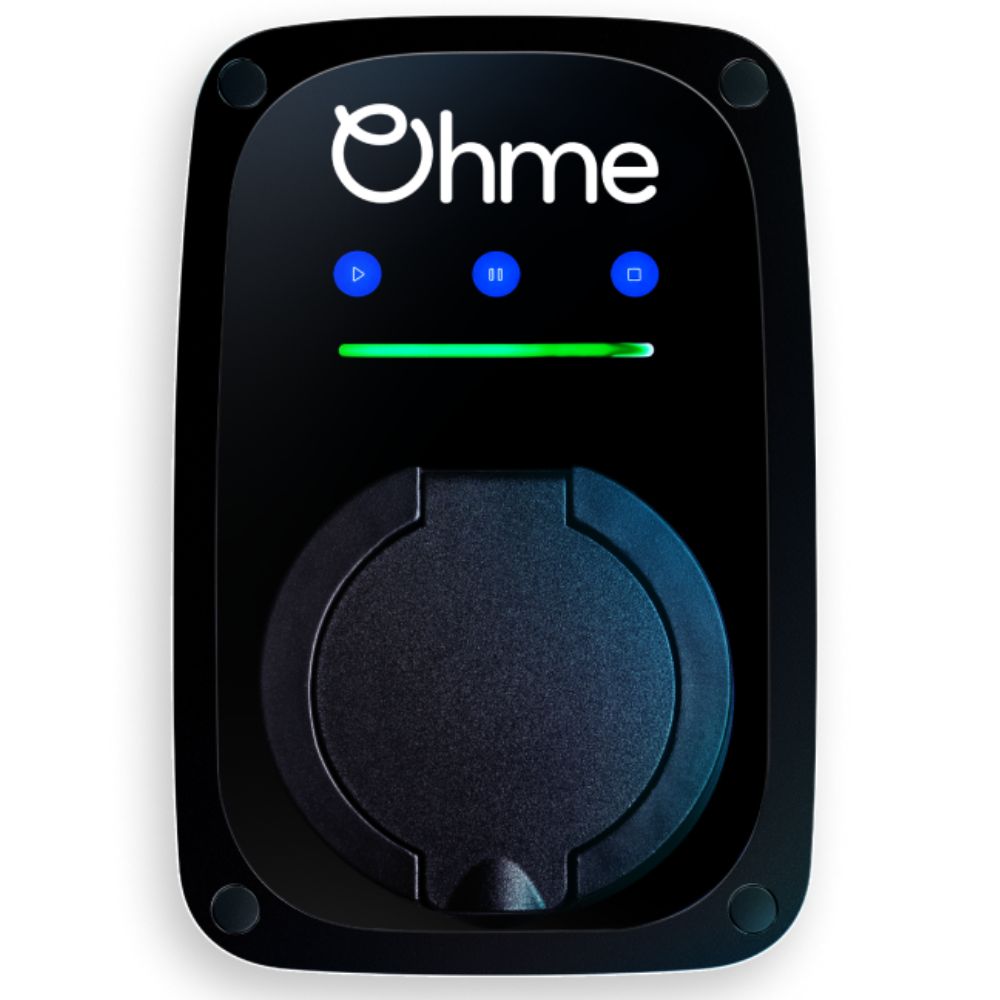
Socketed 7.4kW smart EV charger with app control. A separate compatible charging lead is required.
Ohme Home Pro 7.4kW Type 2 Tethered EV Charger – 5m Cable (Black)
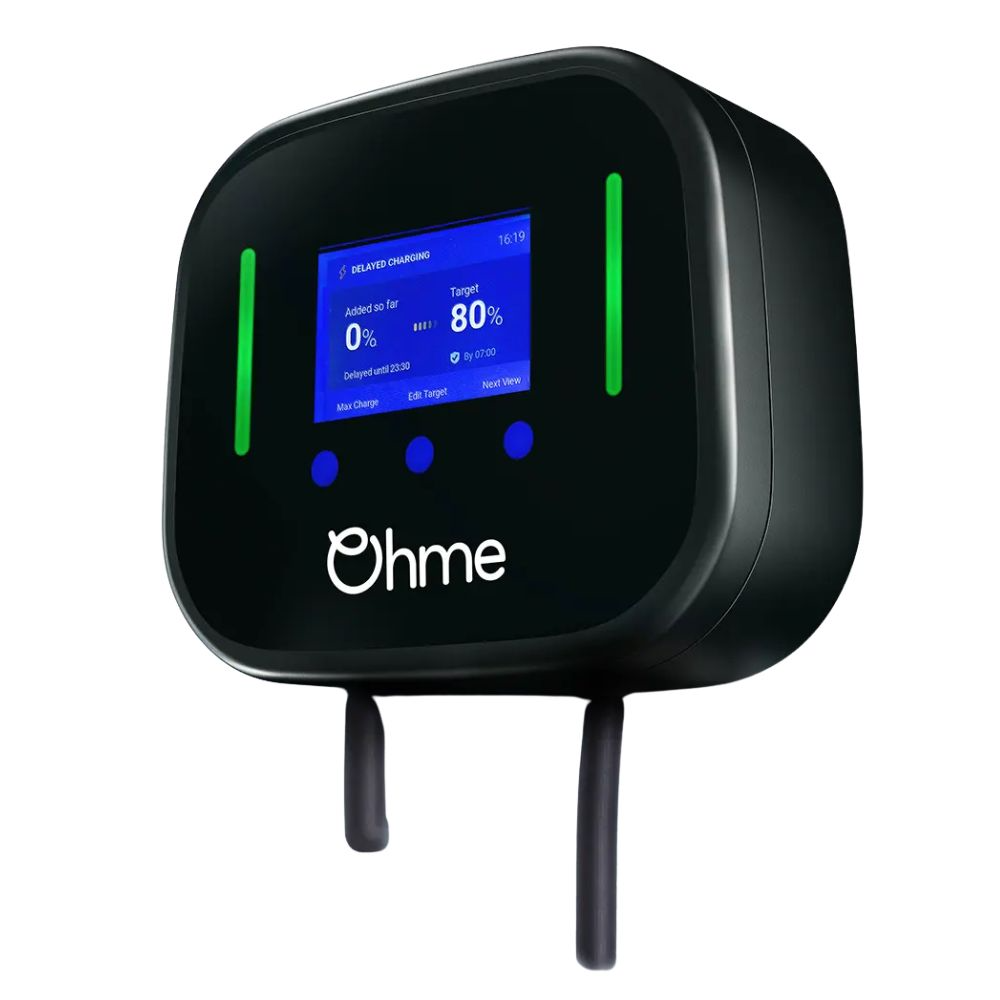
Tethered charger with built-in LCD screen for maximum daily convenience.
Ohme Home Pro 7.4kW Type 2 Tethered EV Charger – 8m Cable (Black)
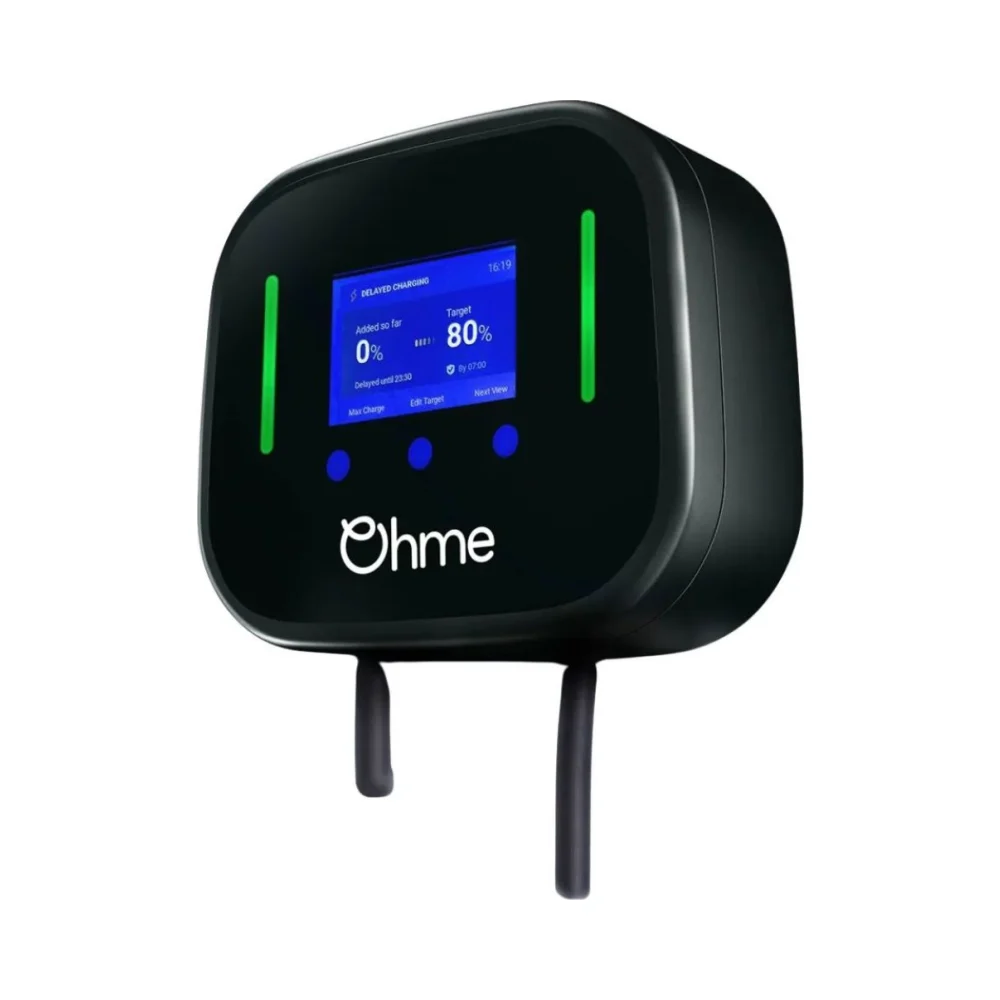
Home Pro with 8m tethered Type 2 cable, offering extra reach where the installation layout requires it.
View All Ohme Chargers
Browse the complete Ohme smart home charging collection.
Final Verdict: Home Pro or ePod?
If you want maximum convenience and an integrated screen, the Ohme Home Pro is likely the best choice.
If you prefer a minimalist design and don’t mind using your own cable, the Ohme ePod could be the better option.
Both provide up to 7.4kW charging and access to Ohme smart features. The better choice depends mainly on your cable preference, where you park and whether you want a display on the charger.
Check live stock and prices in our Ohme charger range. Electrical4Less supplies the equipment; installation is arranged separately.





























Leave a Reply