


How to Prevent Condensation in Electrical Enclosures – Wiska Venting Guide
Understanding how to prevent condensation in electrical enclosures is important for maintaining reliable electrical connections in outdoor, commercial and industrial installations. Changes in temperature, humidity and pressure can cause moisture to accumulate inside junction boxes and equipment housings. This guide explains how Wiska VentPLUG and VentGLAND products work, when pressure compensation may help and how to choose a suitable venting arrangement.
Why Does Condensation Form Inside Electrical Enclosures?
Condensation occurs when moisture in the air comes into contact with a surface cold enough for water vapour to turn into liquid droplets. Inside an electrical enclosure, this can happen when the temperature changes between day and night or when equipment repeatedly heats up and cools down.
Even a well-sealed junction box can experience moisture-related problems. Air already trapped inside may contain water vapour, while repeated temperature and pressure changes can increase the risk of moisture entering through unsuitable seals or cable entries.
Excessive moisture can contribute to corrosion, deterioration of electrical connections and reduced equipment reliability. The correct solution depends on the enclosure, installation environment and source of the moisture.
How Do Wiska Venting Solutions Work?
Wiska pressure compensation products use specially designed venting elements to allow pressure equalisation between the inside of an electrical enclosure and the surrounding environment.
Selected products use a microporous, water-repellent membrane that permits air movement while resisting liquid water under specified conditions. This helps reduce pressure differences that may otherwise place additional stress on enclosure seals.
Pressure compensation can support condensation management, but a vent does not remove all moisture or guarantee a permanently dry enclosure. The result depends on factors including humidity, temperature changes, enclosure design and installation conditions.
Wiska VentPLUG and VentGLAND – What Is the Difference?
Wiska VentPLUG Pressure Compensation Units
Wiska VentPLUG products are dedicated pressure compensation units designed for suitable electrical enclosures. They provide a venting function through a compatible enclosure opening without acting as a conventional cable entry.
VentPLUG products are available in different thread sizes and configurations, including selected high-air-flow versions. The correct choice depends on the enclosure, the required pressure equalisation performance and the manufacturer’s installation specifications.
Wiska VentGLAND Pressure Compensation Cable Glands
Wiska VentGLAND products combine a cable-entry function with pressure compensation. They are intended for compatible cable and enclosure arrangements where both cable sealing and venting are required.
Selected VentGLAND versions are available in M16, M20, M25, M32 and M40 configurations. Always check the individual product’s cable diameter range, thread size, protection rating and installation requirements.
When Should You Consider Enclosure Venting?
Pressure compensation may be worth considering where electrical equipment is exposed to repeated temperature changes or where the manufacturer identifies a need for ventilation or condensation management.
- Outdoor lighting and control enclosures exposed to daytime heating and cooler nights.
- Commercial rooftop equipment subject to changing weather conditions.
- Selected EV charging and electrical control installations where enclosure compatibility permits.
- Industrial equipment housings experiencing repeated heating and cooling cycles.
- Outbuilding and external installations where humidity and temperature variations may contribute to condensation.
A vent should not be installed automatically in every enclosure. First identify the environmental conditions, the equipment manufacturer’s requirements and whether an approved venting accessory is compatible with the enclosure.
Understanding IP68 and IP69 Protection
Some Wiska pressure compensation products are designed to provide high levels of protection against dust and water. However, the exact IP rating varies according to the product and the specified installation and testing conditions.
- IP65 – dust-tight protection and resistance to water jets.
- IP66 – dust-tight protection and resistance to powerful water jets.
- IP67 – dust-tight protection and resistance to temporary immersion under defined test conditions.
- IP68 – dust-tight protection and resistance to immersion under manufacturer-specified conditions.
- IP69 – protection against specified high-pressure and high-temperature water-jet testing.
Do not assume every VentPLUG or VentGLAND has identical ratings. Equally, installing an IP68-rated vent does not automatically make the complete electrical enclosure IP68 rated.
The protection of the complete installation depends on the enclosure, venting accessory, cable entries, seals and installation arrangement. Always follow the manufacturer’s technical data.
Using Wiska Vents with COMBI and WIB Enclosures
Wiska offers several electrical enclosure ranges, but not every enclosure is suitable for modification or for the installation of a pressure compensation accessory.
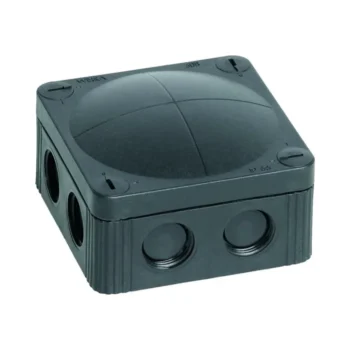
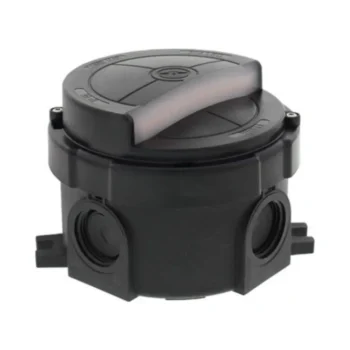
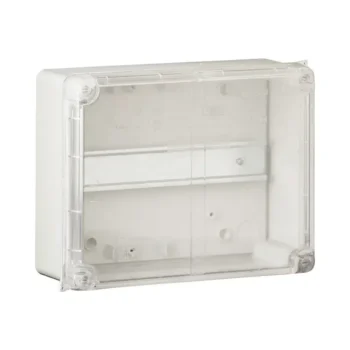
The Wiska COMBI junction box range includes compact and larger enclosures for general wiring connections. The Wiska WIB industrial enclosure range offers additional configurations for suitable electrical terminals and control equipment.
When considering venting for either enclosure family, verify that the selected accessory can be installed using an approved entry arrangement without compromising the box’s environmental protection or electrical safety.
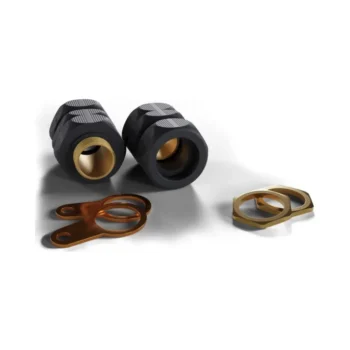
For suitable cable entry and sealing components, explore the Wiska polyamide cable gland range. Ordinary cable glands and pressure compensation vents perform different functions and should be selected accordingly.
How to Install a Wiska Venting Element
The correct installation method depends on whether you are using a VentPLUG or VentGLAND and on the particular enclosure design. Always consult the relevant manufacturer instructions.
- Confirm that the enclosure manufacturer permits the venting accessory.
- Choose the correct thread size and compatible mounting position.
- Check any required sealing washers, locknuts or additional components.
- Position the vent according to the manufacturer’s instructions, considering exposure to water, dirt and possible mechanical damage.
- Use the specified tightening method or torque to avoid damaging seals or the venting membrane.
- For VentGLAND products, confirm the cable outside diameter is within the permitted sealing range.
- Inspect the completed installation and verify the required enclosure protection.
Do not drill an arbitrary ventilation hole in an IP-rated enclosure or substitute an unsuitable fitting. An unapproved opening can compromise protection against water, dust and other environmental conditions.
Other Ways to Reduce Condensation in Junction Boxes
Venting is one option within a wider approach to moisture management. Depending on the application, other measures may be equally important or more appropriate.
- Choose an enclosure with a suitable environmental rating and construction.
- Use compatible glands and cable-entry seals to reduce water ingress.
- Position the enclosure to minimise unnecessary exposure to standing water or direct water accumulation.
- Use appropriate cable routing and drip loops where applicable.
- Consider approved enclosure heaters or other condensation-control equipment where required.
- Inspect existing seals and replace damaged components according to manufacturer guidance.
Desiccant materials may have a place in selected equipment arrangements, but they have a finite moisture-absorption capacity and may require maintenance. They should not be treated as a universal replacement for proper enclosure design.
Common Mistakes When Choosing Enclosure Vents
- Assuming every venting product is suitable for every electrical enclosure.
- Expecting a pressure compensation vent to eliminate condensation in all conditions.
- Selecting a vent by thread size alone without checking airflow and protection requirements.
- Installing an accessory where it may be obstructed, damaged or exposed beyond its specified limits.
- Ignoring existing cable-entry or lid-sealing problems.
- Assuming the finished enclosure retains its original IP rating without checking the complete arrangement.
Wiska Venting Products at Electrical4Less
Electrical4Less supplies a range of Wiska pressure compensation products, including VentPLUG pressure compensation units and VentGLAND cable glands. Compare product specifications, sizes and availability before choosing a solution for your installation.
Independent Electrical Supply and Industry Recognition
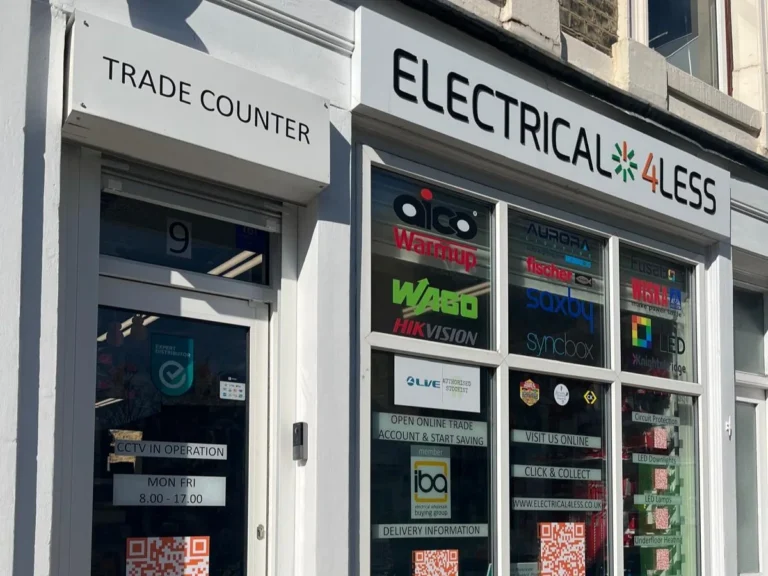
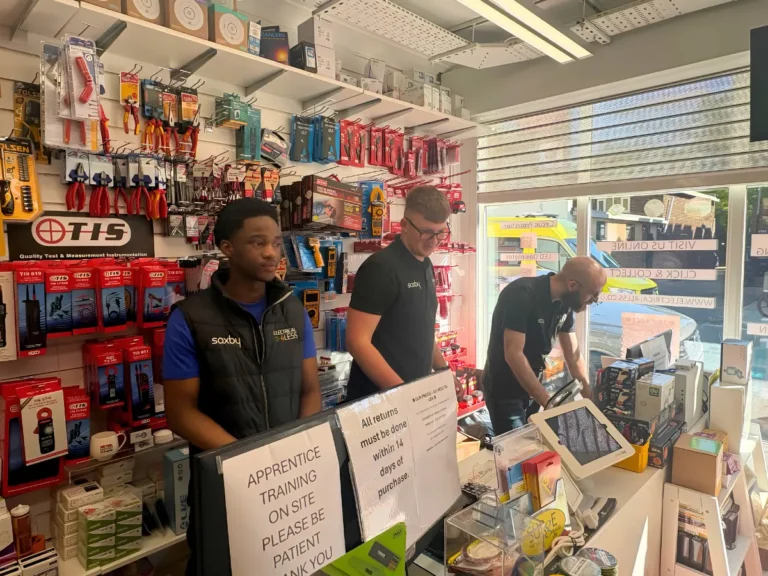
Electrical4Less Ltd is an independent electrical wholesaler operating from 9 Seagrave Road, Fulham, London SW6 1RP. Our London trade counter supports electricians and contractors with local collections, while our online store supplies electrical installation products to customers across the UK.
Our memberships of the Electrical Distributors’ Association (EDA) and Independent Buying Association (IBA) connect Electrical4Less with the wider independent electrical distribution sector.
Our growing online business received recognition in 2026 when Electrical4Less became a Website of the Year finalist at the London Chamber of Commerce SME London Business Awards. We were also shortlisted for Best Wholesaler (1–5 Branches) at the Electrical Wholesaler Awards 2026.
Frequently Asked Questions About Wiska Venting Solutions
For additional enclosure options, see our Wiska junction boxes and wider Wiska electrical products range.






















Leave a Reply