


How to Choose Wiska Cable Glands – Selection and Installation Guide
Knowing how to choose Wiska cable glands is important when protecting electrical connections against moisture, dust and mechanical stress. The correct gland depends on the cable’s outside diameter, construction, enclosure entry and installation environment. This guide explains the differences between polyamide, brass and specialist Wiska cable glands, including IP ratings, cable sizing and common installation mistakes.
Why Is Cable Gland Selection Important?
A cable gland provides a controlled entry point where a cable passes into an electrical enclosure. Depending on the product, it can help provide environmental sealing, cable retention, strain relief and other specialist termination functions.
An incorrectly selected gland may leave gaps around the cable, compromise the enclosure’s protection or place unwanted stress on electrical connections. The gland must therefore be compatible with both the cable and the equipment into which it is installed.
Wiska Cable Gland Types Explained
Polyamide Cable Glands
Wiska polyamide cable glands provide a lightweight, corrosion-resistant option for suitable non-armoured cables. Depending on their individual specifications, they may be used in lighting installations, control equipment, electrical junction boxes and outdoor enclosures.
Some Wiska SPRINT polyamide glands offer high levels of ingress protection and include specialist sealing or strain-relief features. Always verify the exact model’s cable diameter range, temperature rating and environmental suitability.
Brass Cable Glands for SWA
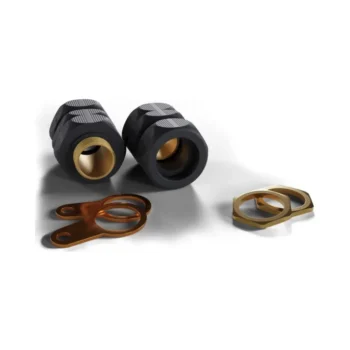
Wiska SWA brass cable glands are available for suitable armoured cable termination applications. A correctly selected SWA gland provides the required armour clamping arrangement, with appropriate earthing and bonding components where necessary.
Not every brass cable gland is an SWA armour gland. A standard compression gland may seal around a cable without providing the armour termination required for steel wire armoured cable.
When working with SWA, check the cable specification, gland type, enclosure material, armour continuity requirements and appropriate earthing accessories before installation.
Wiska ShieldGLAND and Specialist Glands
Some installations require more than standard cable sealing. Wiska offers specialist glands for selected screened, armoured and other cable arrangements.
For suitable screening and termination applications, explore our Wiska ShieldGLAND range. Confirm compatibility with the particular cable construction and the electrical continuity or screening requirements.
How to Choose the Correct Cable Gland Size
There are two measurements to check when choosing a cable gland: the enclosure entry thread and the outside diameter of the cable.
- Check the enclosure entry size, such as M20, M25 or M32.
- Measure or confirm the cable’s actual outside diameter.
- Check the manufacturer’s permitted sealing diameter range for the gland.
- Confirm whether the gland provides the required strain relief or cable anchorage.
- For armoured cables, select the correct gland using the cable’s overall diameter and armour construction.
For example, two glands may both have M20 threads but accept different cable diameters. The thread size alone does not establish that a gland is suitable for a particular cable.
Where a manufacturer’s approved reduction insert is available, it may allow a specified gland to accommodate a smaller cable diameter. Use only the compatible insert and gland combination described in the technical information.
Understanding IP66, IP67 and IP68 Cable Gland Ratings
IP ratings describe protection against solid objects and water under specified testing conditions. They are an important consideration when selecting cable glands for exposed or damp environments.
- IP66 – dust-tight protection and resistance to powerful water jets.
- IP67 – dust-tight protection and resistance to temporary immersion under specified test conditions.
- IP68 – dust-tight protection and resistance to immersion under conditions specified by the manufacturer.
- IP69 – protection against specified high-pressure, high-temperature water-jet testing.
Selected Wiska SPRINT glands are rated IP68 and IP69. For example, Wiska’s ESKVZ 20 BK technical data specifies IP68 at 5 bar for 30 minutes, alongside an IP69 rating. These ratings apply to the specified product and test conditions and must not be assumed to apply to every Wiska gland.
Remember that the protection of the complete installation depends on the gland, cable, enclosure and sealing arrangement. A gland carrying an IP68 rating does not automatically make the entire junction box IP68.
Installing Wiska Cable Glands Correctly
Before fitting a cable gland, review the manufacturer’s instructions and confirm that the product is suitable for the selected cable and enclosure.
- Use the correct threaded entry or approved mounting arrangement.
- Check whether a suitable sealing washer or gasket is required at the enclosure wall.
- Pass the cable through the correct sealing components in the specified order.
- Tighten the gland according to the manufacturer’s specified torque or installation method.
- Avoid overtightening, damaging the cable sheath or deforming the sealing components.
- For armoured cable, use the specified armour clamping and earthing arrangement.
- Inspect the completed installation for proper cable retention, sealing and mechanical security.
Where required, ensure the electrical installation meets the applicable requirements of BS 7671. The selection and installation of a particular gland should be based on the relevant manufacturer’s technical documentation rather than relying on a single general rule for every cable type.
Using Cable Glands with Wiska COMBI Junction Boxes
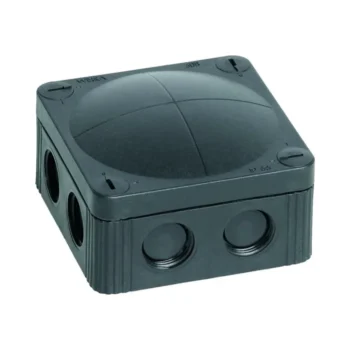
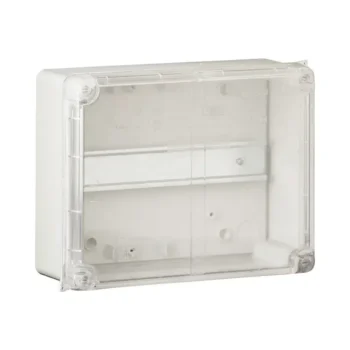
Many Wiska COMBI junction boxes use membrane cable entries designed to achieve their specified level of protection when installed correctly. In some applications, a separate cable gland is not needed.
However, suitable glands may be required for a higher specified protection level, different cable dimensions or a particular cable termination arrangement. Check the COMBI model’s technical data before removing or modifying an entry membrane.
For guidance on choosing between different COMBI enclosure sizes, read our Wiska COMBI junction box buying guide.
Cable Glands and Flexible Conduit – What Is the Difference?
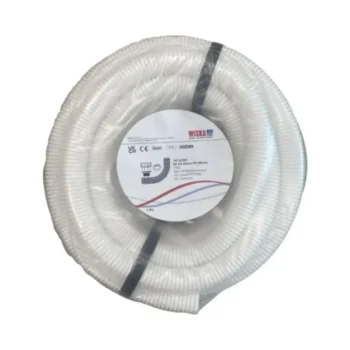
A conventional cable gland is designed to provide an appropriate entry and retention arrangement for a cable. Flexible conduit generally requires a fitting designed for the conduit construction and its connection to the enclosure.
Where flexible steel, PVC or liquid-tight conduit is used, select a suitable conduit connector, gland or adaptor specified for that system. Do not assume that an ordinary cable compression gland can provide a suitable mechanical and environmental connection for flexible conduit.
Common Cable Gland Selection Mistakes
- Choosing a gland by thread size without checking the cable sealing diameter.
- Assuming all polyamide or brass glands have the same IP rating.
- Using a standard gland when an armoured cable requires a suitable SWA termination.
- Using an incompatible adaptor, reduction insert or sealing washer.
- Overtightening the gland or damaging the cable sheath.
- Failing to consider cable strain relief and movement.
- Assuming an IP68-rated gland gives the entire enclosure an IP68 rating.
Wiska Manufacturer Technical Information
For an example of manufacturer information covering cable diameters, thread dimensions, protection ratings and tightening requirements, refer to the Wiska ESKVZ 20 BK technical data sheet.
Always consult the data sheet for the exact Wiska gland being installed, as technical characteristics vary by product.
Electrical4Less – Supporting UK Electrical Installers
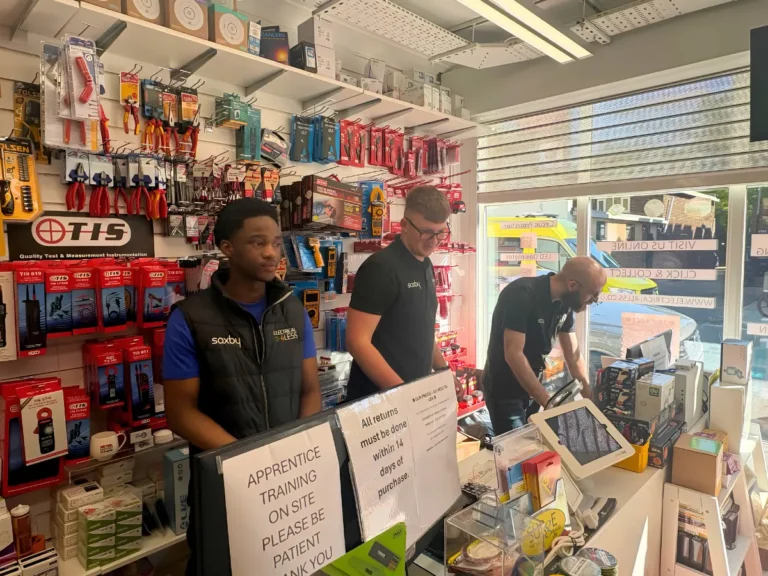
Choosing the correct cable gland is often about the smaller details: the right diameter, a suitable enclosure entry and matching accessories. Electrical4Less supplies Wiska cable glands and electrical installation products to customers throughout the UK, with a trade counter at 9 Seagrave Road, Fulham, London SW6 1RP for local collections.
Our business is part of the Independent Buying Association (IBA) and the Electrical Distributors’ Association (EDA), reflecting our involvement in the independent electrical wholesale sector.
In 2026, Electrical4Less was shortlisted for Best Wholesaler (1–5 Branches) at the Electrical Wholesaler Awards and was a Website of the Year finalist at the London Chamber of Commerce SME London Business Awards. We continue to develop our online product information alongside our trade-counter service.
Frequently Asked Questions About Choosing Wiska Cable Glands
Explore the Wiska Cable Gland Range
Compare Wiska polyamide glands, SWA brass cable glands and specialist ShieldGLAND products at Electrical4Less. Select the product according to the required cable construction, entry size and environmental protection.

























Leave a Reply