


Table of Contents
Guide to Outdoor Junction Boxes — everything you need to know about choosing, installing, and protecting outdoor electrical connections. Whether powering garden lights, external sockets, or EV chargers, a correctly rated junction box prevents moisture ingress, corrosion, and electrical faults. Selecting the right box and fittings ensures long-term reliability and compliance with BS 7671 (18th Edition) wiring regulations.
Why IP Ratings Matter for Outdoor Junction Boxes
Every outdoor junction box carries an Ingress Protection (IP) rating under BS EN 60529, defining its resistance to dust and water. The first digit relates to solids (dust), the second to liquids (water).
Common ratings include:
- IP55 – Protection from limited dust and low-pressure water jets, suitable for sheltered areas.
- IP65 – Fully dust-tight and resistant to strong water jets, ideal for outdoor walls or garden lighting.
- IP66 – Sealed against heavy rain and dust, perfect for exposed locations.
- IP68 – Resistant to temporary submersion. However, due to possible installation errors or incorrect drilling, it’s best to avoid placing enclosures in direct spray or standing water whenever possible. Even small mistakes can compromise waterproofing, so it’s safer to mount above ground.
Choosing the correct IP rating ensures compliance with BS 7671 Chapter 52, which requires wiring systems to withstand environmental influences such as moisture, temperature, and mechanical stress.
Why a Junction Box Alone Is Not Enough
Even the best outdoor junction box will not remain waterproof unless the cable entries are correctly sealed. To maintain the manufacturer’s IP rating, always use:
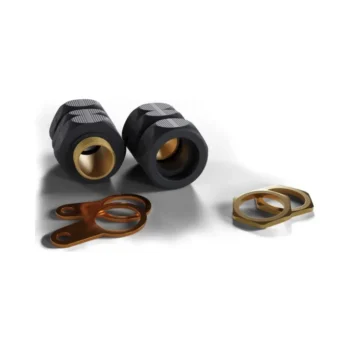
- Nylon IP65 / IP68 glands for flexible or Hi-Tuff cables.
- CW brass glands for SWA (Steel Wire Armoured) cables.
These glands create a watertight seal around the cable sheath, preventing moisture from tracking inside the enclosure — a common cause of insulation faults detected during EICRs.
When preparing boxes, always follow the manufacturer’s instructions. Drill only through designated pre-marked entry points or knockouts. Drilling elsewhere can damage the seal, reduce the IP rating, and void the product warranty.
Using Gels for Outdoor Junction Boxes
Another important step in this Guide to Outdoor Junction Boxes is the use of sealing gels. Gels encapsulate connectors, displacing moisture and preventing corrosion for long-term protection.
Recommended products from Electrical4Less:
- Magic Gel Sealant – a two-part, re-enterable gel ideal for junction boxes, conduit terminations, and underground connections.
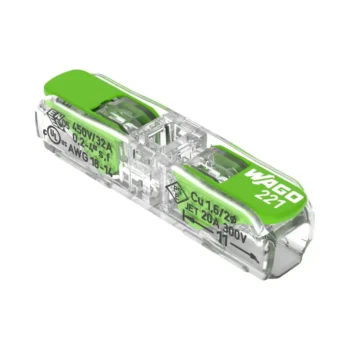
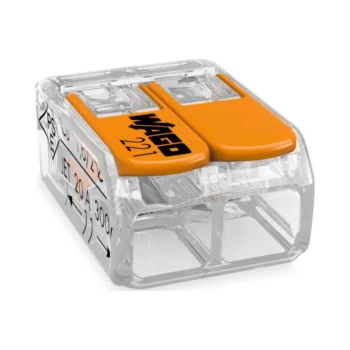
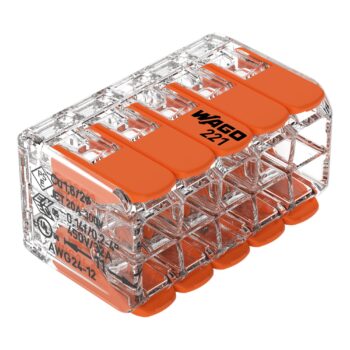
- Wago Gel Boxes – ready-to-use housings that provide IPX8 protection and work with Wago 221 and 2773 connectors.
Gel filling is especially valuable for garden lighting, underground joints, or any outdoor area prone to condensation or standing water.
Popular Outdoor Junction Box Brands
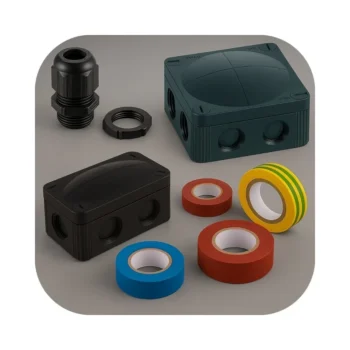
At Electrical4Less, we supply professional-grade outdoor junction boxes from leading brands trusted by UK electricians:
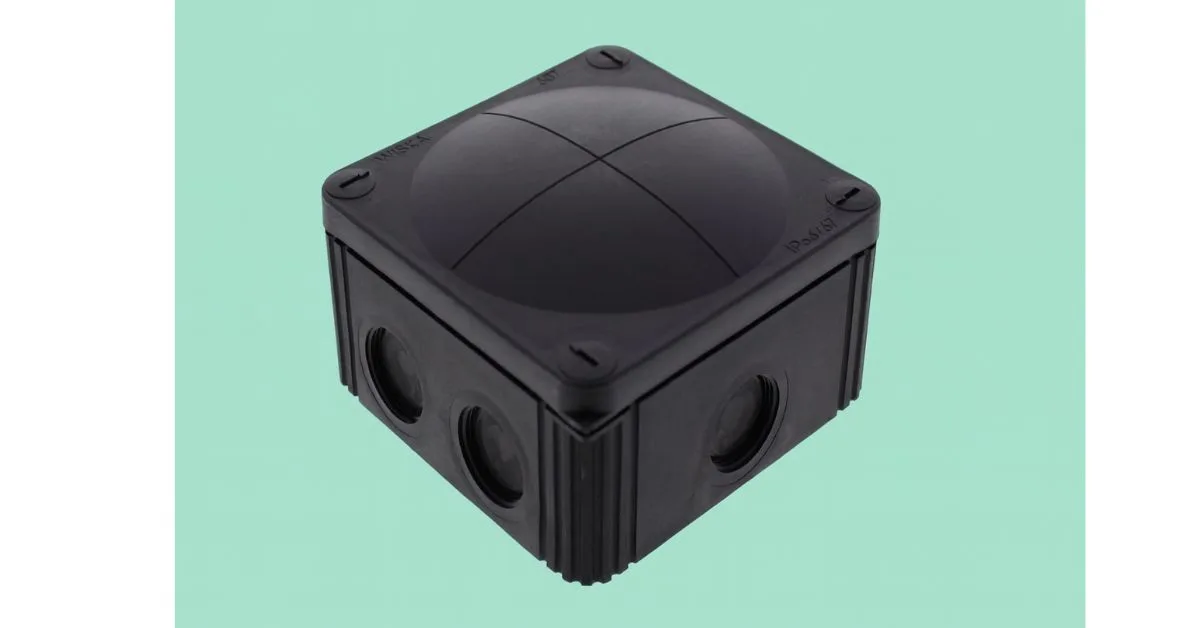
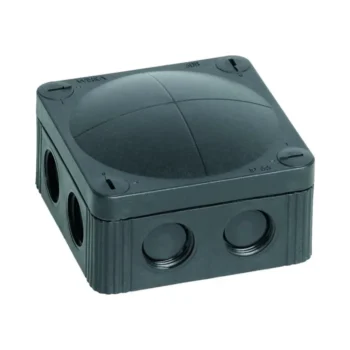
- Wiska COMBI Boxes – IP66-rated, durable, with threaded entries.
- Unicrimp Junction Boxes – IP65 designs featuring flexible membranes.
- Live Electrical Boxes – heavy-duty enclosures for surface-mount or conduit use.
- Knightsbridge Weatherproof Boxes – IP-rated housings with sleek designs and latch-close lids.
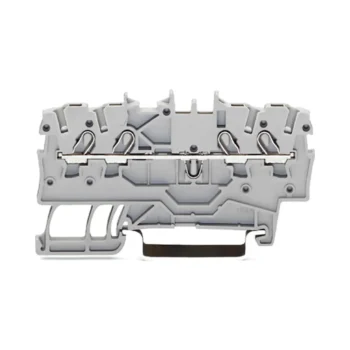
For safe, maintenance-free wiring inside these boxes, use Wago Connectors and fill with a suitable gel sealant.
BS 7671 Compliance Tips – Guide to Outdoor Junction Boxes
Under Regulation 522.3 of BS 7671, outdoor equipment must resist mechanical and environmental stress. Always:
- Mount securely on a firm surface.
- Use the correct size and type of IP-rated gland.
- Keep boxes away from standing water or direct spray — even IP68 models, as human error can affect sealing.
- Drill only through designated entry slots or knockouts.
- Apply gel to connections for enhanced waterproofing.
- Keep junction boxes accessible for inspection and maintenance.
Following these steps ensures compliance and long-term performance in all weather conditions.
FAQs – Guide to Outdoor Junction Boxes
1. What IP rating do I need for an outdoor junction box?
Use at least IP65 for general outdoor use and IP66 for exposed or damp environments. IP68 can be used where water exposure is higher but must be installed correctly with glands and gels.
2. Can I install a junction box directly on the ground or near water?
It’s best not to mount boxes in standing water or direct spray, even if IP68-rated. Human error or damaged seals can compromise protection — mount them above ground when possible
3. Do I need to use cable glands with outdoor junction boxes?
Yes. A junction box alone isn’t waterproof. Use nylon IP65/IP68 glands for flexible cables and CW brass glands for SWA armoured cables to preserve the IP rating.
4. What is the purpose of electrical gels in outdoor boxes?
Gels such as Magic Gel or Wago Gel Boxes fill voids around connectors, blocking moisture and preventing corrosion. Ideal for garden lights and underground joints.
5. Can I drill holes anywhere on an outdoor junction box?
No. Drill only through the designated knockout points. Drilling elsewhere can break the enclosure’s seal, reducing its IP rating and voiding warranty or compliance.
6. Are outdoor junction boxes suitable for all cable types?
Yes, provided the right gland and box size are used. Outdoor junction boxes can handle flexible cords, Hi-Tuff, and SWA cables safely.
7. Are outdoor junction boxes compliant with BS 7671?
Yes, when correctly installed. BS 7671:2018 Chapter 52 requires wiring systems to resist moisture, UV, and impact. Proper box selection, glands, and gels ensure compliance.
Why Buy from Electrical4Less
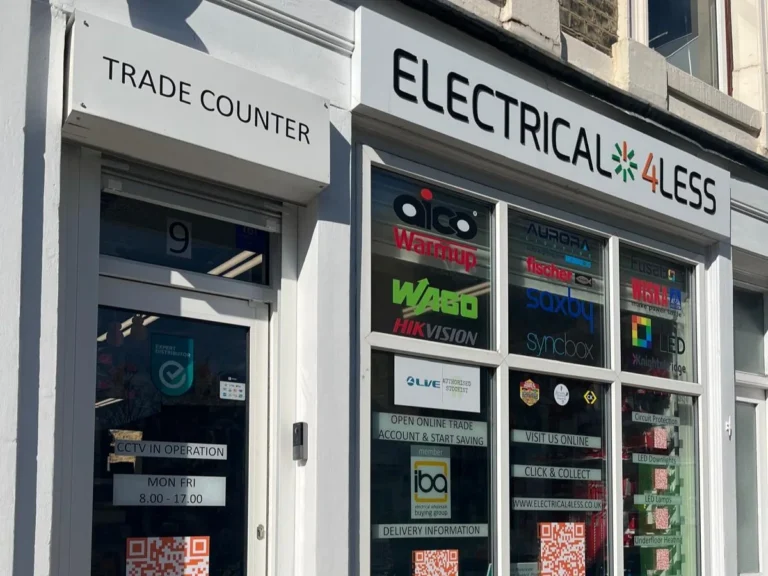
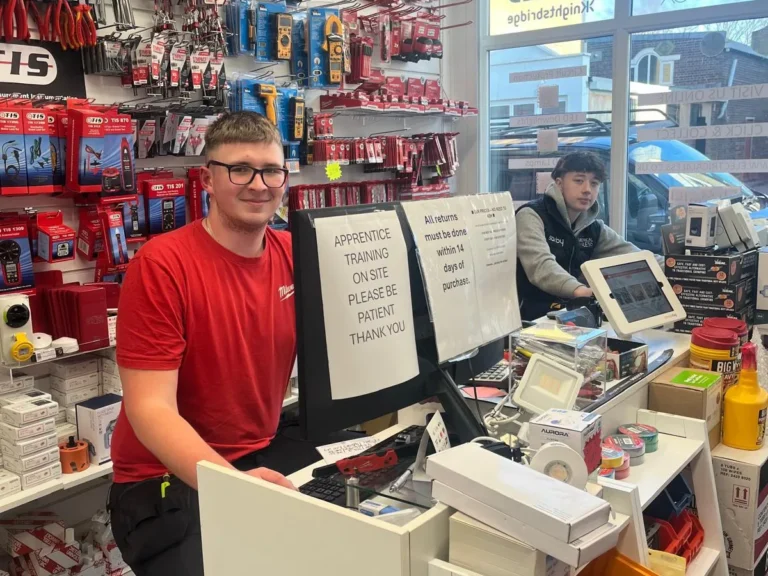
Electrical4Less, based in Fulham (London SW6 1RP), is a trusted UK trade counter and online wholesaler. We offer competitive prices, fast delivery, and expert technical advice for electricians nationwide. Thank you for reading “Guide to Outdoor Junction Boxes”.
Stay connected:
































Guide to Outdoor Junction Boxes