


Benefits of Wiska COMBI Boxes – Why Electricians Choose Them
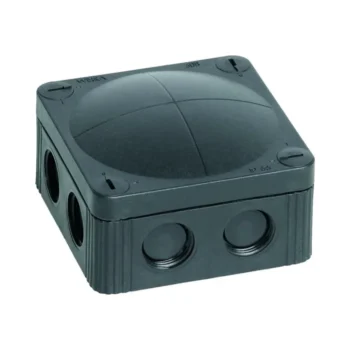
The benefits of Wiska COMBI boxes include weather-resistant construction, practical cable-entry arrangements, a wide choice of enclosure sizes and convenient installation features. These qualities make the COMBI range a popular option for suitable domestic, commercial and outdoor electrical connections. This guide explains what makes the boxes useful, how their protection ratings work and what to consider before choosing one.
Six Benefits of Wiska COMBI Junction Boxes
1. Protection Against Dust and Water
One of the main advantages of the COMBI range is its suitability for installations where moisture and dust protection are important. Wiska specifies IP66 protection for many COMBI models using the appropriate membrane cable entries.
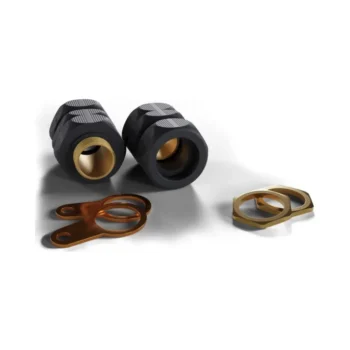
Compatible models can achieve IP67 protection when suitable ESKV cable glands are correctly installed in the specified threaded entries. The final protection depends on the complete installation, including the cable entries, lid seals and accessories.
IP66 provides protection against powerful water jets, while IP67 includes temporary immersion protection under specified test conditions. Neither rating automatically makes a standard COMBI box suitable for permanent immersion or direct burial.
2. Durable Polypropylene Construction
Wiska COMBI enclosures use polypropylene construction with suitable sealing materials, including TPE gaskets on selected models. The combination provides a practical enclosure for many electrical installation environments.
Different COMBI models are designed to withstand specified mechanical and environmental conditions. Always consult the manufacturer’s technical data for temperature limits, impact resistance and suitability for outdoor exposure.
3. Convenient Cable-Entry Arrangements
Wiska COMBI junction boxes offer a choice of membrane entries, threaded entry arrangements and knockouts depending on the model. This provides flexibility when routing cables into an enclosure.
Some models allow suitable cables to pass through designated self-sealing membranes without a separate gland, while other installations require compatible cable glands for the intended protection or cable termination arrangement.
The correct entry must be chosen according to the cable outside diameter, environmental requirements and manufacturer’s instructions.
4. Different Sizes for Different Wiring Requirements
The COMBI family includes compact enclosures for smaller wiring connections and larger models offering more space for cables, connectors and suitable terminals.
This allows electricians to choose an enclosure based on the actual wiring arrangement rather than using an oversized box for every installation. Internal wiring space, bending requirements and connector dimensions should still be considered carefully.
5. Installer-Friendly Covers and Mounting Features
Selected Wiska COMBI boxes include captive cover screws and dedicated mounting positions that make access and installation convenient. Different models use different cover and fixing arrangements, so it is worth checking the individual enclosure before installation.
Correct use of the intended mounting points helps avoid unnecessary modifications to the enclosure or its sealing surfaces.
6. Connector and Accessory Options
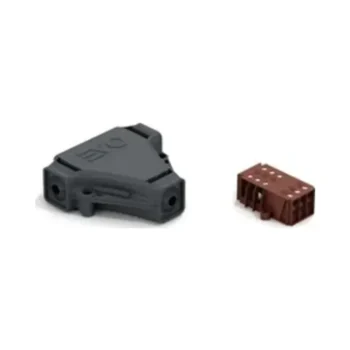
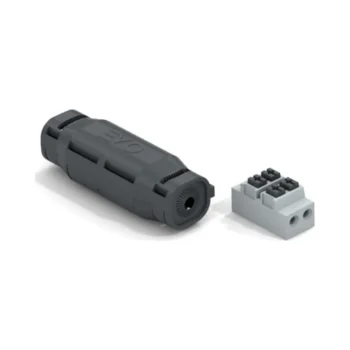
Selected COMBI products are available with pre-supplied connectors or terminal arrangements, while empty boxes allow the installer to choose suitable components separately.
Wiska also offers compatible mounting accessories, glands and other installation components for selected enclosures. The available options vary according to the COMBI model.

Popular Wiska COMBI Models and Their Advantages
Different COMBI sizes offer different dimensions and cable-entry arrangements. Some commonly selected models include:
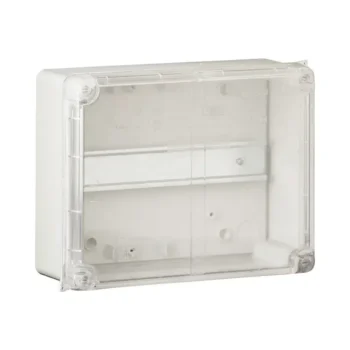
- Wiska COMBI 206 – a compact rectangular enclosure for installations where space is limited.
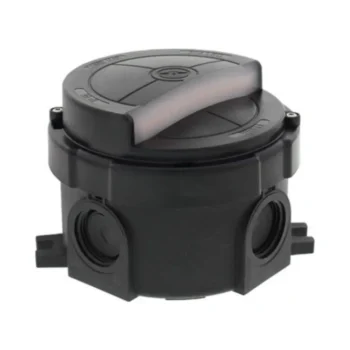
- Wiska COMBI 304 – a circular enclosure that can suit selected discreet wiring arrangements.
- Wiska COMBI 308 – a compact square design offering additional entry positions.
- Wiska COMBI 310 – an elongated enclosure offering a different layout for cables and connections.
- Wiska COMBI 407 – a larger option suitable for various general electrical connections.
- Wiska COMBI 607 – provides additional wiring space and M25 cable-entry positions.
- Wiska COMBI 1610 – a larger enclosure for more extensive wiring arrangements.
If you are unsure which size is appropriate, read our guide to choosing a Wiska COMBI junction box, which compares the main models, dimensions and cable-entry options.
Wiska COMBI Technical Brochure
For additional manufacturer information about COMBI models and enclosure features, refer to the Wiska brochure below.
Are Wiska COMBI Boxes Suitable for Outdoor Wiring?
Suitable Wiska COMBI boxes can be used for outdoor electrical connections when the environmental conditions, cable entries and enclosure protection meet the installation requirements.
For example, an outdoor lighting connection may require protection against rain and moisture, while an exposed industrial installation may have additional demands involving mechanical stress, temperature variation or cable support.
Choose cables and glands suitable for the actual environment, and avoid assuming that an enclosure’s IP rating alone determines whether the complete installation is appropriate.
For more detail about outdoor use, see our Wiska COMBI outdoor installation guide.
Can WAGO Connectors Be Used Inside Wiska COMBI Boxes?
Suitable WAGO connectors can be used in correctly selected COMBI enclosures where the connector ratings, conductor compatibility and available internal space meet the installation requirements.
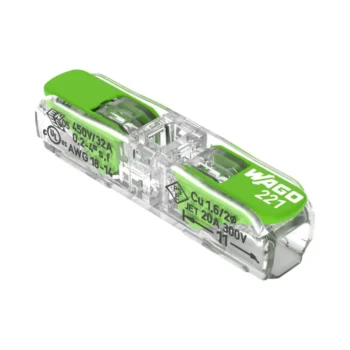
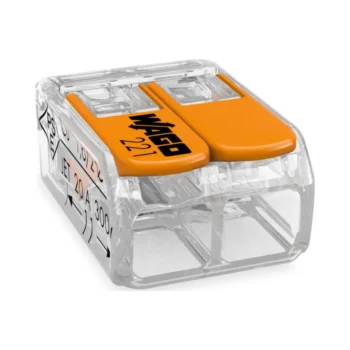
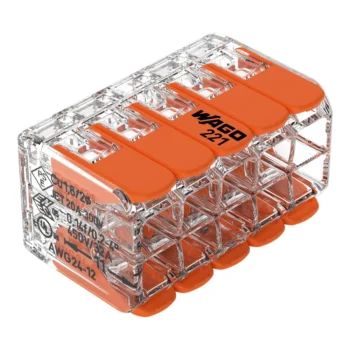
For example, WAGO 221 lever connectors may be a convenient option for joining suitable conductors. Selected Wiska COMBI products are also available with connectors supplied.
WAGO 221 connectors are not themselves waterproof. They require suitable protection from the surrounding enclosure or an approved sealing arrangement.
Common Mistakes When Using Wiska COMBI Boxes
- Choosing a box without sufficient internal space for cables and connectors.
- Assuming every COMBI model has identical cable entries or mounting features.
- Using an unsuitable cable gland or exceeding the specified cable diameter range.
- Damaging a membrane entry or modifying the enclosure without following the manufacturer’s instructions.
- Assuming an IP66 box is suitable for permanent immersion or direct burial.
- Failing to secure the lid correctly or check the sealing surfaces.

Official Wiska Product Information
Wiska publishes detailed specifications for its COMBI enclosures, including materials, dimensions, cable-entry arrangements and installation requirements. For examples, see the COMBI 607 technical specification and COMBI 1010 technical specification.
Always check the data sheet for the exact model being installed because enclosure dimensions, accessories and cable-entry arrangements vary.
Electrical4Less – Supporting Electricians Beyond the Trade Counter
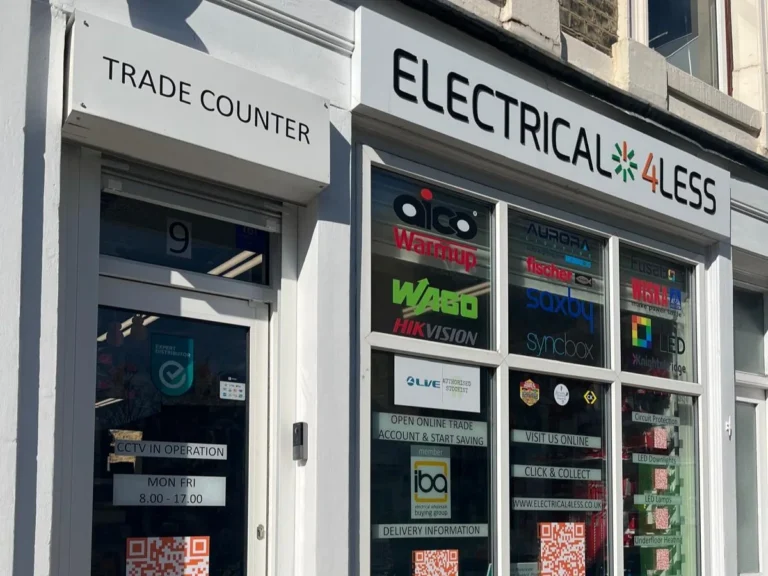
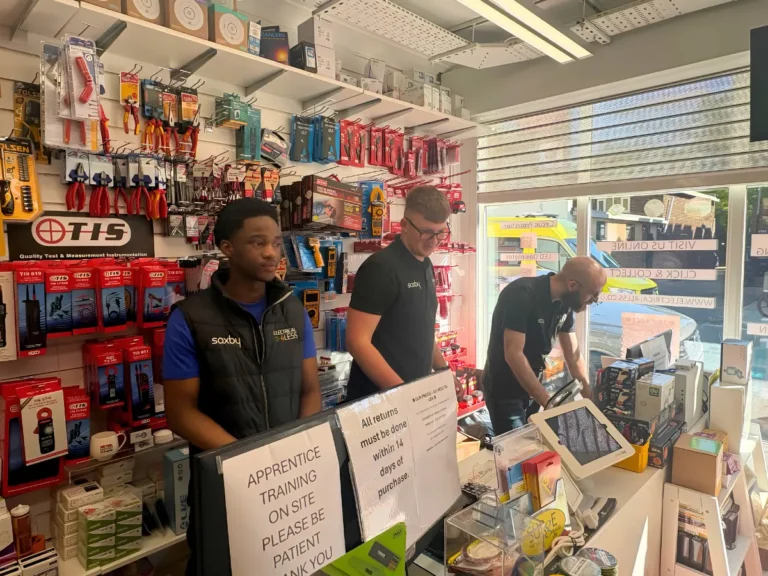
Electrical4Less Ltd is an independent electrical wholesaler based at 9 Seagrave Road, Fulham, London SW6 1RP. Alongside our local trade counter, we supply Wiska junction boxes and other electrical installation products through our online store to customers throughout the UK.
Our business is a member of the Independent Buying Association (IBA) and the Electrical Distributors’ Association (EDA). These memberships connect us with the wider independent electrical supply industry and support our ongoing development as a trade-focused wholesaler.
Electrical4Less was a Website of the Year finalist at the London Chamber of Commerce SME London Business Awards 2026 and was shortlisted for Best Wholesaler (1–5 Branches) at the Electrical Wholesaler Awards 2026. We continue to improve our product information and online service alongside our Fulham trade-counter operations.
Frequently Asked Questions About Wiska COMBI Boxes
Explore the Wiska COMBI junction box range for available sizes, colours and connector-equipped versions.
























Leave a Reply