

Fuse Box vs Consumer Unit: What Is the Difference?
A fuse box and a consumer unit perform the same basic purpose: distributing electricity around a property and protecting individual circuits. The main difference is the type of protective devices used.
Older fuse boxes commonly use rewireable or cartridge fuses. When excessive current flows, the fuse wire melts or the cartridge operates, disconnecting the circuit. The fuse wire or cartridge must then be replaced after the fault has been identified.
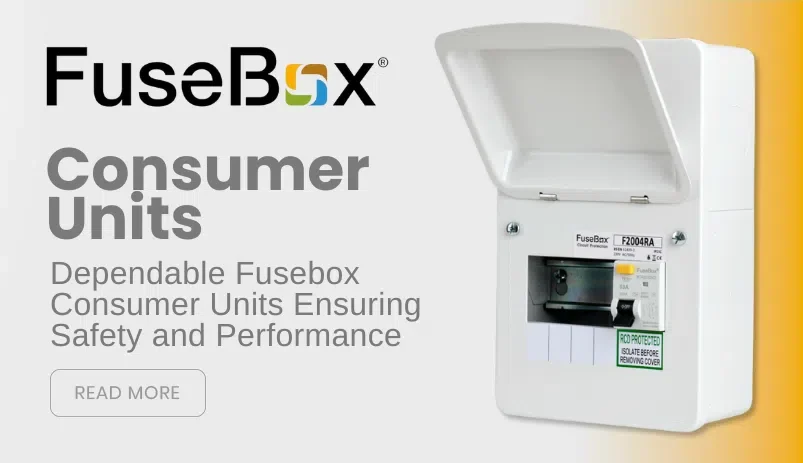
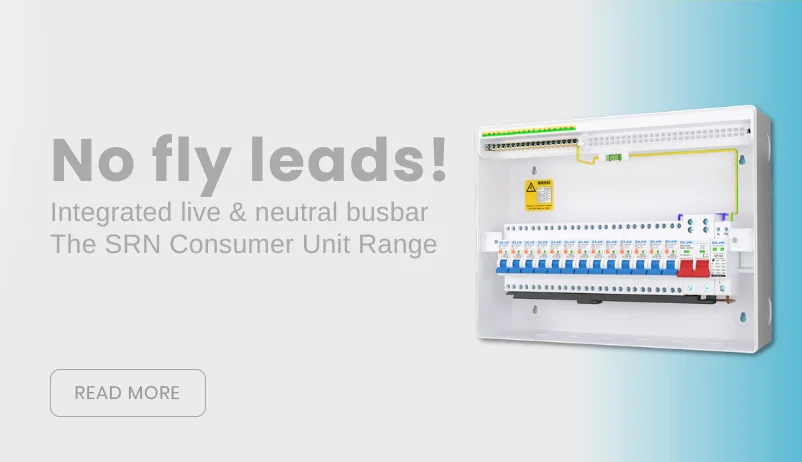
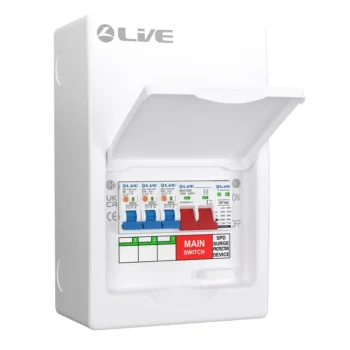
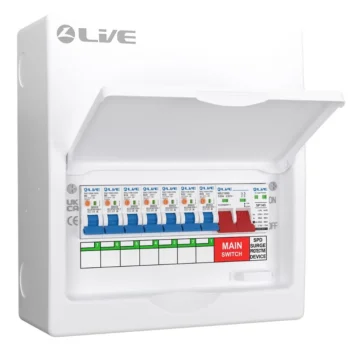
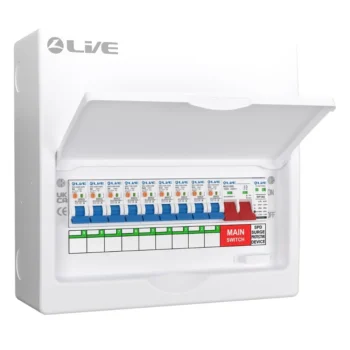
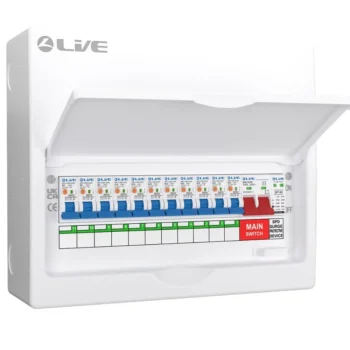
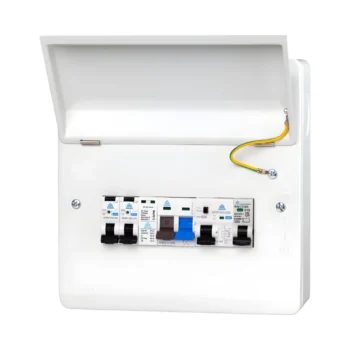
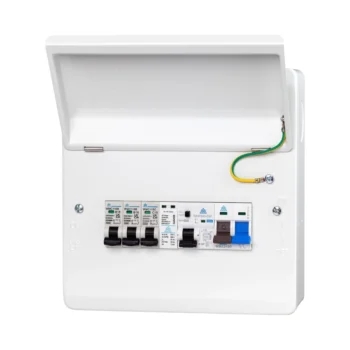
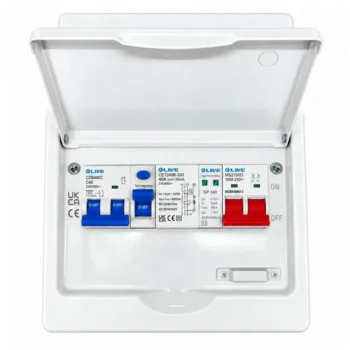
Modern consumer units use protective devices such as MCBs, RCBOs, RCDs and surge protection devices. These devices can normally be reset after the fault has been investigated and may provide additional protection that many older fuse boxes do not include.
Fuse Box or FuseBox?
A fuse box is a general term commonly used to describe an older electrical distribution board fitted with fuses. It is also sometimes used informally when referring to a modern consumer unit.
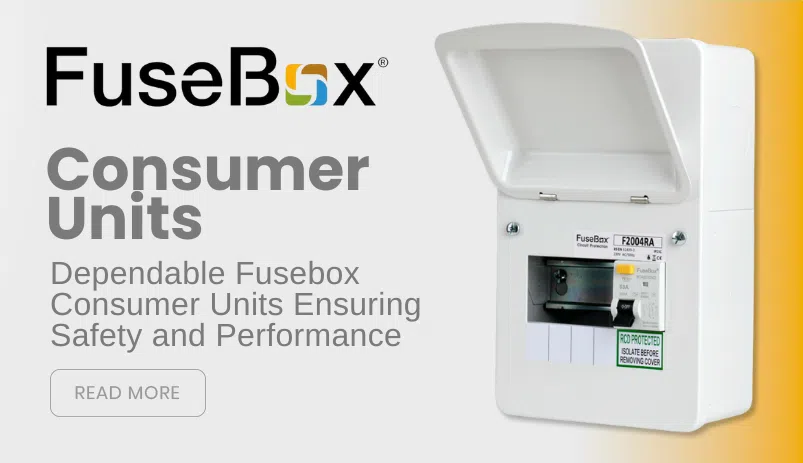
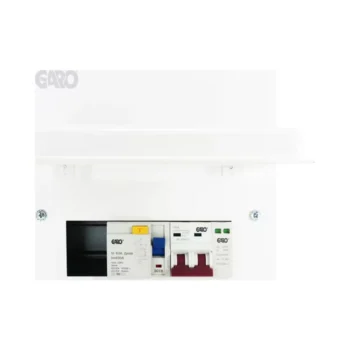
FuseBox, written as one word with capital letters, is a circuit-protection brand that manufactures consumer units, RCBOs, MCBs, AFDDs and related equipment.
In this guide, fuse box refers to the older type of electrical board, while consumer unit refers to the modern equivalent. FuseBox is used only when referring to the manufacturer.
How Does an Older Fuse Box Work?
Older fuse boxes use rewireable or cartridge fuses to protect electrical circuits against excessive current.
When a fault or overload occurs, the fuse wire melts or the cartridge operates, breaking the circuit. The fault must be identified before the fuse wire or cartridge is replaced.
Although this provides basic overcurrent protection, older fuse boxes may not include the residual-current, surge or arc-fault protection available with modern consumer units.
The Move to Modern Circuit Protection
As electrical installations became more complex, fuse boxes were gradually replaced by consumer units fitted with modern protective devices.
MCBs provide overload and short-circuit protection and can normally be reset after operating. RCDs provide residual-current protection, while RCBOs combine residual-current and overcurrent protection for an individual circuit.
Modern consumer units may also include surge protection devices and arc fault detection devices where required by the installation design.
What Is an MCB?
An MCB protects an electrical circuit against overload and short-circuit current.
Unlike a fuse, an MCB can normally be reset after the fault has been identified and corrected. An MCB does not provide residual-current protection by itself, so additional RCD protection may also be required.
What Is an RCD?
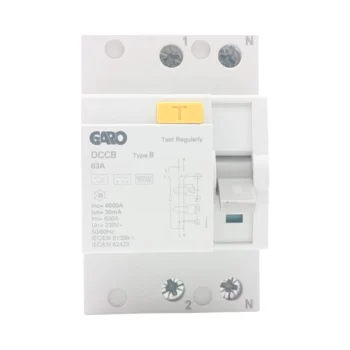
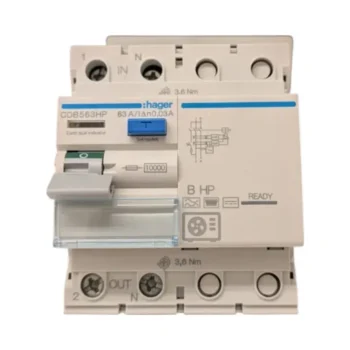
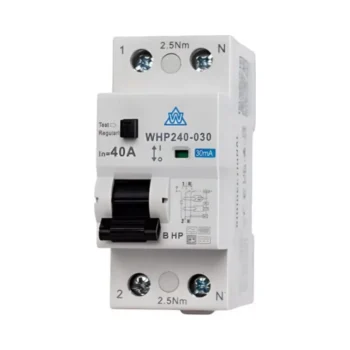
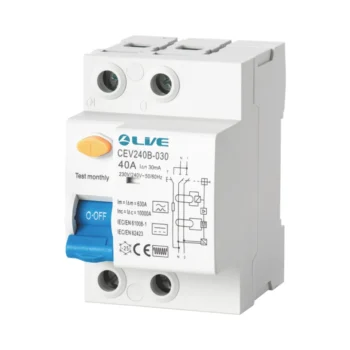
An RCD monitors the current flowing through a circuit and disconnects the supply when it detects residual current above its operating threshold.
RCD protection can reduce the risk of electric shock, but where several circuits share one RCD, a fault on one circuit may disconnect other circuits connected to the same device.
What Is an RCBO?
An RCBO combines residual-current protection with overload and short-circuit protection for an individual circuit.
For many modern domestic installations, a main switch consumer unit fitted with individual RCBOs is preferred because a fault will normally disconnect only the affected circuit rather than several unrelated circuits.
Benefits of a Modern Consumer Unit
A modern consumer unit can provide:
- Individual protection for each circuit
- Improved circuit separation
- Easier fault identification
- Residual-current protection
- Surge protection
- Space for future electrical circuits
- Compatibility with EV chargers, solar PV, batteries and heat pumps
The exact level of protection depends on the devices installed and the design of the electrical installation.
Should an Old Fuse Box Be Replaced?
An old fuse box does not automatically mean that an electrical installation is unsafe. However, it may not provide the same level of protection as a modern consumer unit.
A qualified electrician should inspect and test the installation before recommending replacement. The assessment should include the condition of the wiring, earthing, bonding and existing protective devices.
Replacement may be recommended where the existing board is damaged, unsuitable for planned alterations or unable to provide the required protection for additional circuits.
Choosing a Modern Consumer Unit
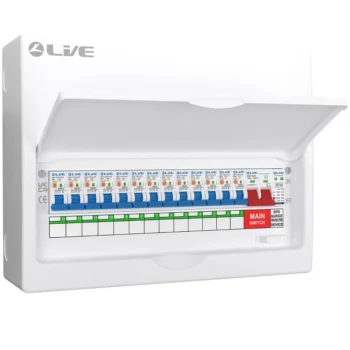
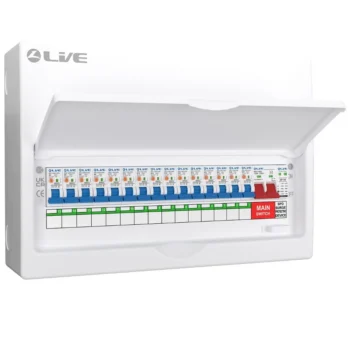
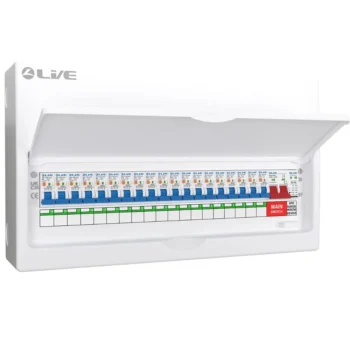
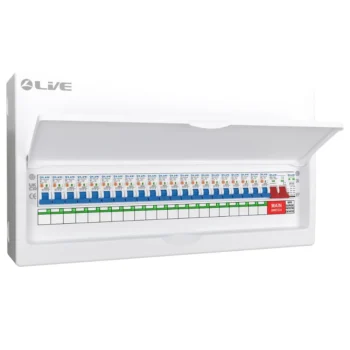
For many domestic installations in 2026, a main switch consumer unit fitted with individual RCBOs is generally the preferred arrangement.
When choosing a consumer unit, the electrician should consider:
- The number of existing circuits
- Spare capacity for future circuits
- RCBO compatibility
- Surge protection
- Surface or flush mounting
- Available wiring space
- EV charging requirements
- Solar PV or battery storage
- Heat-pump circuits
- Manufacturer instructions
The consumer unit should be selected as part of the complete electrical design rather than by enclosure size or price alone.
Conclusion
The change from fuse boxes to modern consumer units has introduced improved circuit protection, easier fault identification and greater flexibility for present and future electrical requirements.
A fuse box is the generic name commonly used for an older distribution board fitted with fuses. A consumer unit is the modern equivalent, while FuseBox is the name of a specific circuit-protection manufacturer.
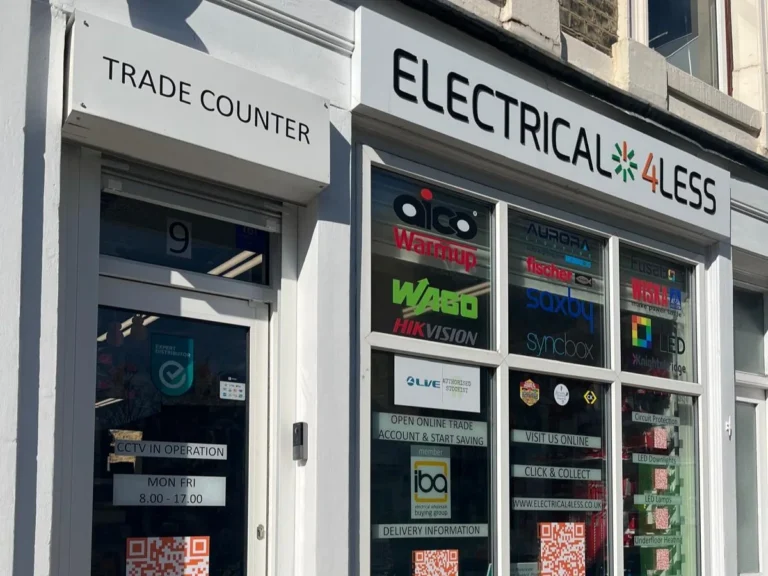
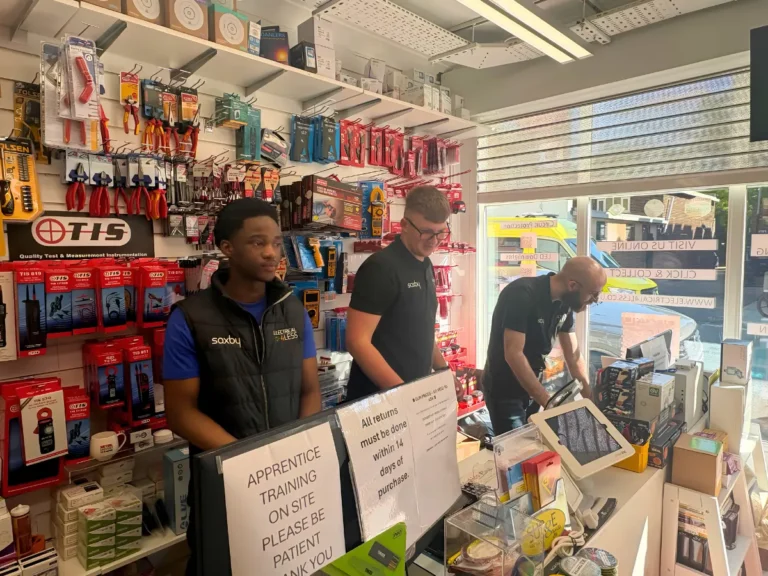
Electrical4Less supplies a wide selection of consumer units from established manufacturers, with competitive trade prices available online.





























Fuse Box vs Consumer Unit: What Is the Difference?