


An RCBO, or Residual Current Circuit Breaker with Overcurrent protection, is a protective device that combines the functions of an RCD and an MCB in one unit. It is designed to protect an electrical circuit against overloads, short circuits and residual current faults.
Looking to buy RCBOs? Browse our main RCBO circuit breakers category, including Type A, B Curve, C Curve, 6kA and 10kA options.
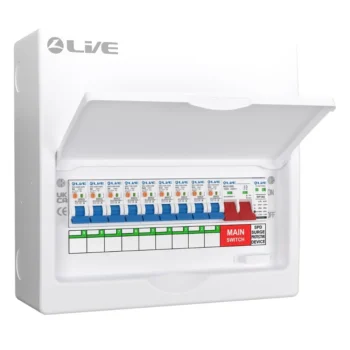
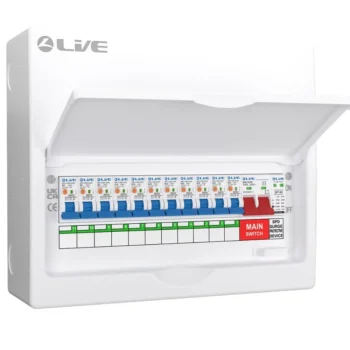
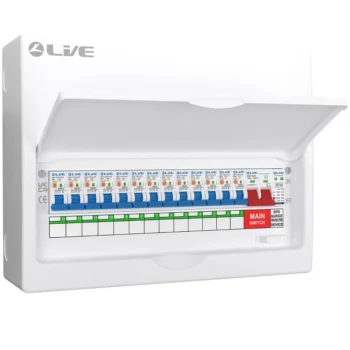
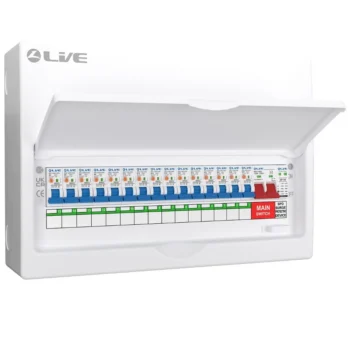
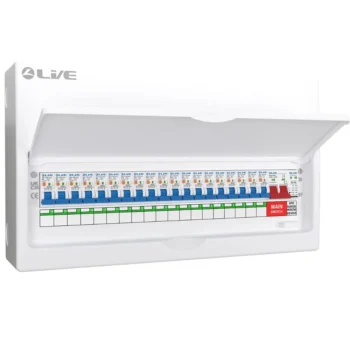
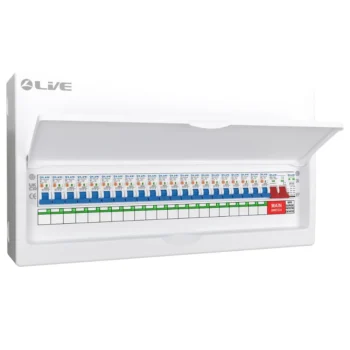
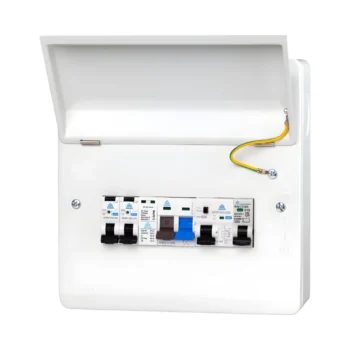
RCBOs are commonly used in modern consumer units and distribution boards where individual circuit protection is required. Instead of one RCD protecting several circuits, each circuit can have its own RCBO, helping to reduce disruption if a fault occurs.
What Does an RCBO Do?
An RCBO combines two types of protection in one device:
- Overcurrent protection – helps protect against excessive current caused by overloads or short circuits.
- Residual current protection – helps disconnect the circuit when earth leakage current is detected.
In simple terms, an RCBO combines MCB-style overcurrent protection with RCD-style residual current protection.
Benefits of Using RCBOs
Individual Circuit Protection
One of the main benefits of an RCBO is that it protects an individual circuit. If a fault occurs, the affected circuit can trip without necessarily switching off other circuits in the consumer unit.
Space-Saving Design
An RCBO combines two protective functions in one device. Many manufacturers also offer compact RCBOs, helping installers save space inside compatible consumer units and distribution boards.
Useful for Modern Installations
RCBOs are used in domestic, commercial and some industrial installations where individual circuit protection is required. They are commonly found in modern consumer unit upgrades and new installations.
Common Applications of RCBOs
- Residential properties – for lighting, socket circuits, appliances and other domestic circuits.
- Commercial buildings – for offices, retail spaces and small commercial installations.
- Industrial and specialist applications – where suitable RCBO protection is required by the installation design.
Types of RCBOs
RCBOs are available in different formats and residual current types. The correct option should be selected by a qualified electrician based on the circuit, connected equipment, consumer unit compatibility and manufacturer guidance.
Type AC RCBO
Type AC devices detect AC residual currents only. They are less commonly selected for many modern circuits because a wide range of equipment can produce non-sinusoidal or pulsating DC residual currents. The correct residual current type should always be confirmed by the electrician.
Type A RCBO
Type A RCBOs detect AC residual currents and pulsating DC residual currents. They are commonly specified for many modern installations with electronic equipment, appliances, LED lighting and EV-related equipment where suitable.
Type B RCBO
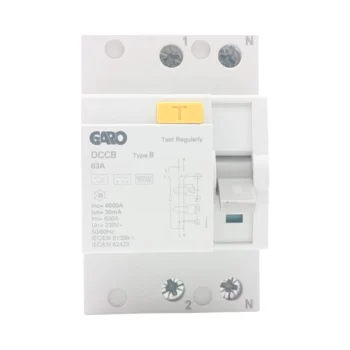
Type B RCBOs are designed to detect AC, pulsating DC and smooth DC residual currents. They are used for specialist applications where this level of residual current detection is required by the equipment or installation design.
Bi-Directional RCBOs
A bi-directional RCBO is designed for installations where current may flow in either direction, depending on the equipment and system design. These devices are often associated with modern electrical systems such as solar PV, battery storage and some EV-related installations where manufacturer guidance requires suitable bi-directional protection.
Typical Uses for Bi-Directional RCBOs
- Solar PV systems
- Battery storage systems
- Some EV charging installations
- Selected commercial or industrial applications
The correct device should always be chosen based on the equipment manufacturer’s instructions, circuit design, fault level, residual current type and board compatibility.
RCBO or RCD and MCB?
A traditional split-load consumer unit may use RCDs to protect groups of circuits, with MCBs providing overcurrent protection. An RCBO combines these functions for an individual circuit. This can make fault finding easier and reduce the chance of several circuits being disconnected by one fault.
Choosing the Correct RCBO
Before ordering an RCBO, check the full product specification and confirm the following details:
- Current rating, such as 6A, 16A, 20A, 32A or 40A
- Tripping curve, such as B Curve or C Curve
- Breaking capacity, such as 6kA or 10kA
- Residual current type, such as Type A or Type B
- Single pole, double pole or three-phase format
- Consumer unit and busbar compatibility
- Manufacturer installation requirements
Browse RCBO Products
For current stock and product options, visit our RCBO category.
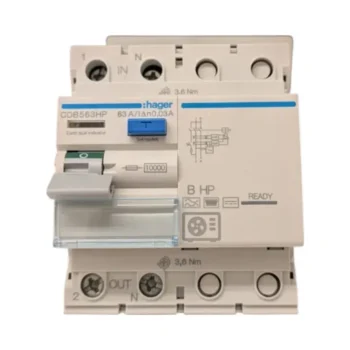
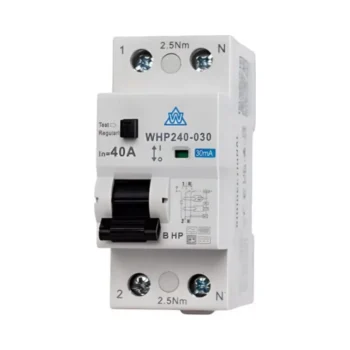
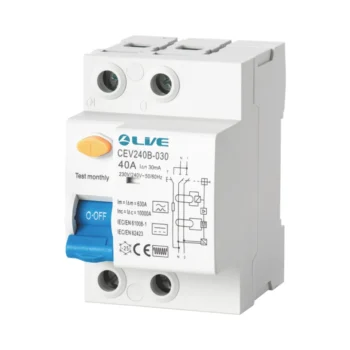
You can also browse selected RCBO ranges by brand, including FuseBox RCBO, Hager RCBO, Live RCBO and WCED RCBO options.
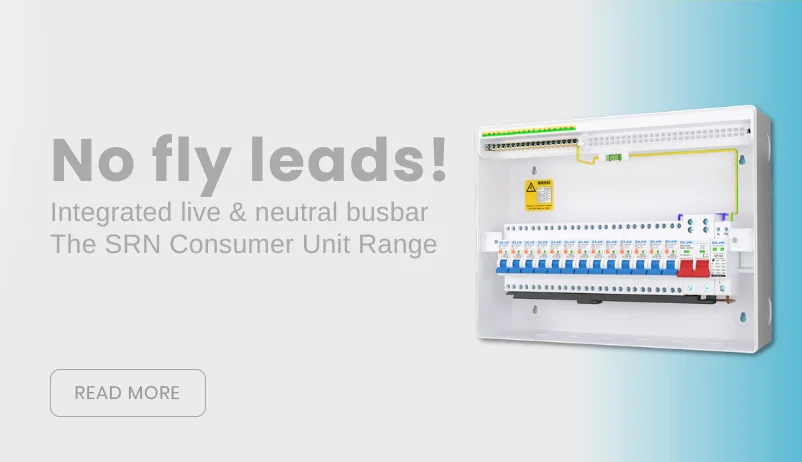
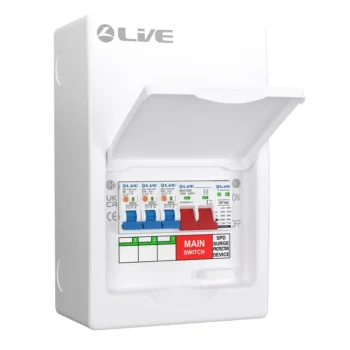
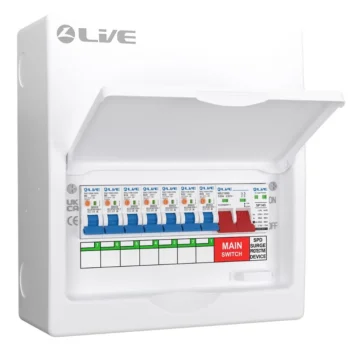
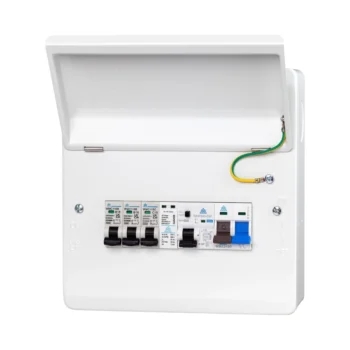
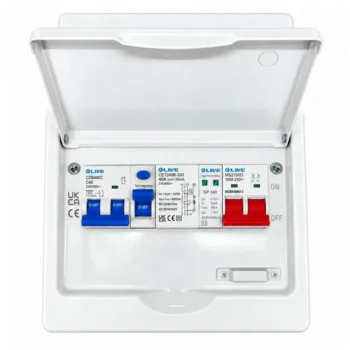
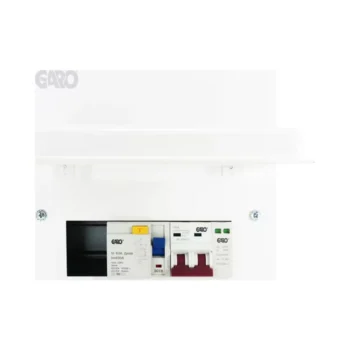
If you are also choosing a board, browse our main consumer units category or view complete RCBO consumer units.
RCBO FAQs
Conclusion
RCBOs are widely used in modern electrical installations because they provide individual circuit protection in one compact device. They combine residual current and overcurrent protection, making them a practical choice for many consumer unit and distribution board applications.






























What Is an RCBO? Function, Types and Benefits