


Why Consumer Units in New Builds Are No Longer Hidden
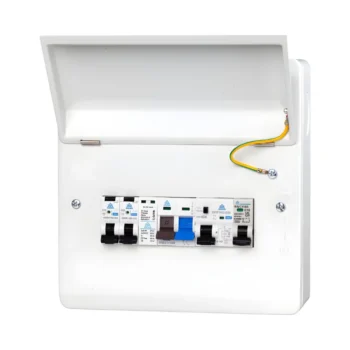
In today’s housing market, consumer units in new builds are no longer hidden in lofts or boiler cupboards — they’re often installed in full view, right by the front door or in a main hallway.
Why? It’s not just design — it’s regulation.
Part M of the Building Regulations requires that essential controls (like electrical panels) are easily accessible for all users, including those with limited mobility. That rules out stairs, tight cupboards, or high wall-mounted setups.
Rather than boxing the CU inside a cupboard (and risking non-compliance), the easier route is to install it exposed — ideally flush to the wall, clean-looking, and compliant. So now the challenge becomes:
How do we make exposed installs look good and meet all the regs?
Modern Electrical Boards for New Build Houses: Who Gets the Final Say?
When a consumer unit is visible, more people get a say in what it looks like:
- The interior designer
- The M&E consultant
- The homeowner
- The architect
- And yes, still the installer
(ideally a qualified electrician — sadly, not always)
This isn’t just about safety anymore — it’s about how the CU fits into the overall design.
✅ Has the Industry Caught Up with Visible Consumer Units?
Here’s a quick look at which manufacturers are embracing the change:
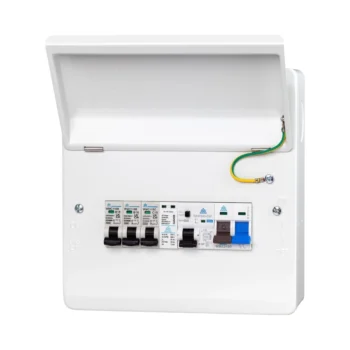
FuseBox
The go-to for many electricians. It’s affordable, smartly designed, and blends well into most settings.
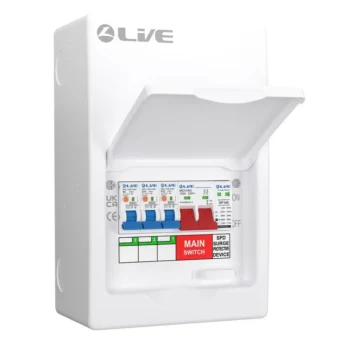
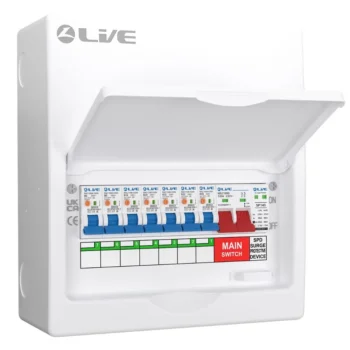
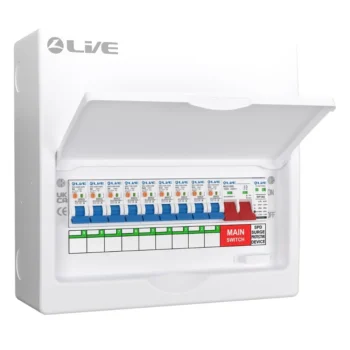
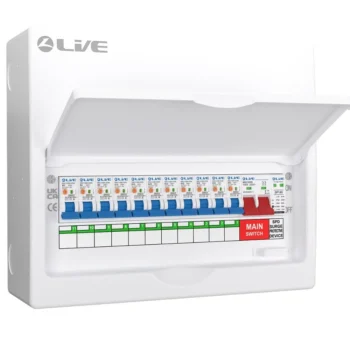
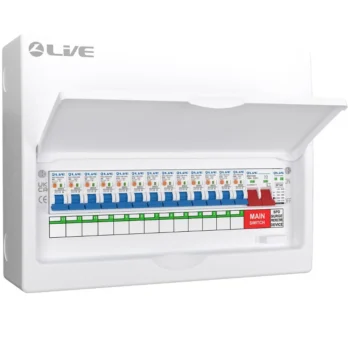
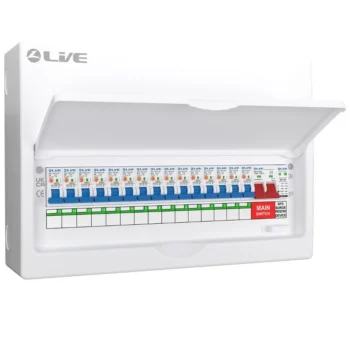
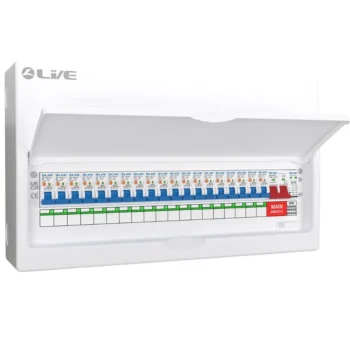
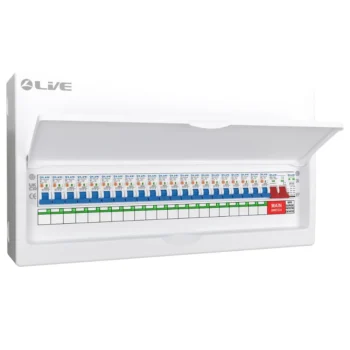
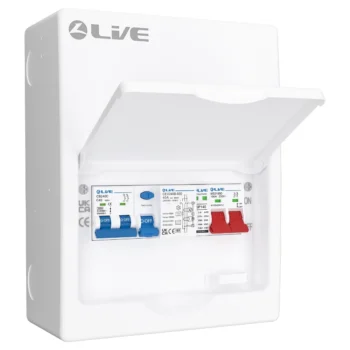
Live Electrical
Its flush lid design makes for a tidy surface-mount board — especially useful for visible installs.
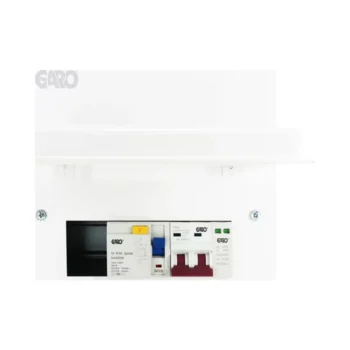
WCED (Whitecliffe Electrical)
Stands out with its matt finish, which helps it disappear into white or neutral walls.
Hager
Design 10? A bit… sharp. Design 30? Looks fantastic — but it’s priced for show homes, not the average new build. Time for an upgrade?
Planning Consumer Units in New Builds: Placement Matters
Consumer units should now be treated like any other design element in a home.
Don’t forget to pair your board with:
- Flexible Meter Tails — BS 6004 compliant, with 19 strands for flexibility
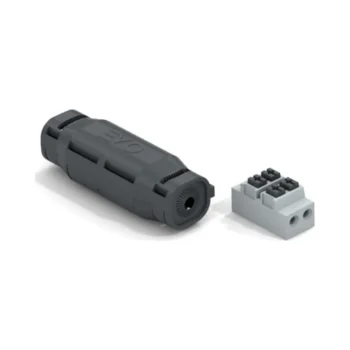
- Meter Tail Glands — Properly terminate tails into metal enclosures
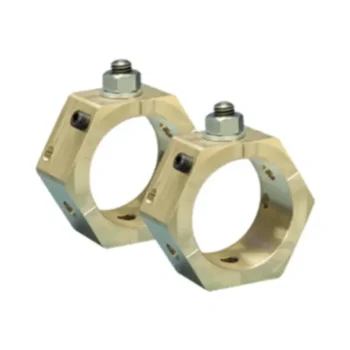
- Henley Blocks (100A terminal blocks) — Great for splitting the supply
And yes, we recommend flush boards when possible — keep reading.
Could Amendment 4 Change Visible CU Installs?
An interesting development: Amendment 4 to BS 7671 may allow tails under 200A to enter a metal enclosure via separate holes. That’s a big shift from Regulation 521.5.1, which currently requires conductors to enter through the same opening to prevent eddy currents.
Want the full details?
Check out our full breakdown:
Amendment 4, Tail Glands & What It Means for Your Installs
Flush Consumer Units in New Builds: Why Aren’t They More Common?
You’d think flush-mounted consumer units would be everywhere by now.
- They look better
- They blend in
- They reduce trunking and boxing
And to be fair, manufacturers do offer flush brackets or frames. So why don’t we see them?
- Builders don’t want to cut walls
- Installers default to surface mounting
- Planning usually happens too late
But honestly? In new builds, flush CUs should be the default — especially for entrance placements.
⚠️ SWA Submains and Surface Mounting – Still a Problem?
In many homes, the CU isn’t fed directly from the meter. It comes via an SWA submain — and that’s where things get messy.
We’ve seen EICRs showing:
- No SWA glands
- Steel wires cut off
- Rough or sharp cutouts
- Signed off like it’s fine
Flush CUs with rear entry would solve this:
No exposed tails. No ugly trunking. Easier to dress. Safer overall.
Are Best Practices Being Followed?
Electricians — we want your take:
- Are flush-mounted boards the next big thing?
- Do we need to rethink CU placement in new builds?
- Which manufacturers are nailing it, and who’s lagging?
Leave your thoughts in the comments or tag us on socials — we’d love to feature your installs.
Browse Our Range of Consumer Units
Explore our stocked range of modern electrical consumer units designed for today’s install trends:
- FuseBox Consumer Units
- Live Electrical Boards
- WCED / Whitecliffe Boards
- Recessed Consumer Units
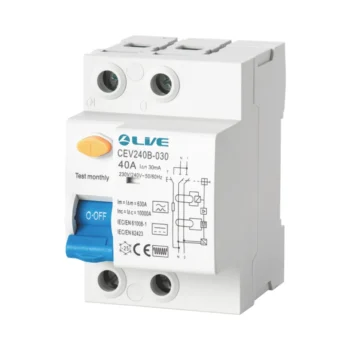
- Boards with SPD / RCBO Options
Also check out:




























Leave a Reply