

Table of Contents
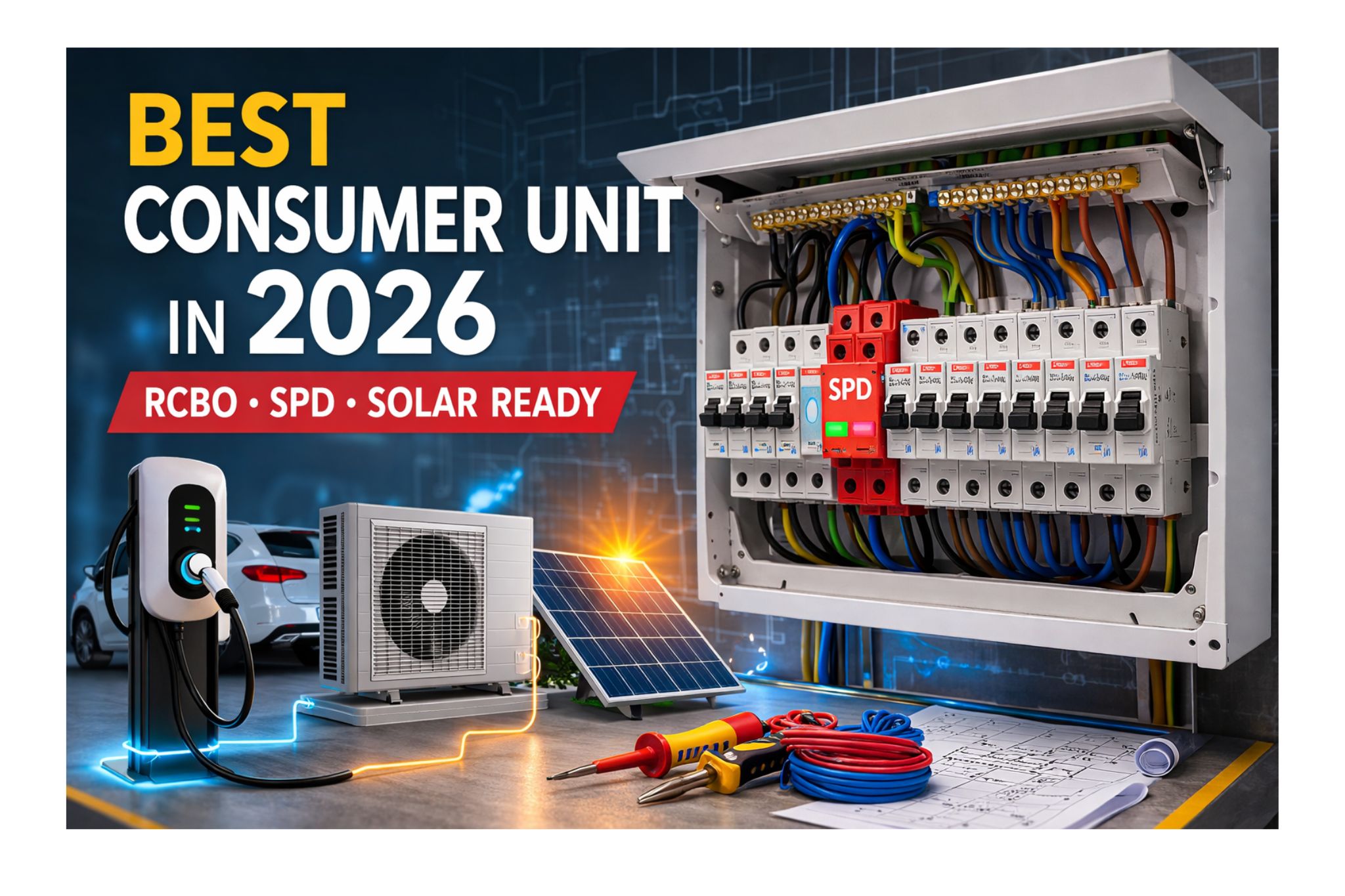
RCBO consumer units with Type 2 SPD protection remain the most popular solution in 2026, and in reality very little has changed in regulations that affect their basic design. When electricians ask what the best consumer unit in 2026 is, the answer usually points to fully populated RCBO consumer units with surge protection.
What is changing, however, is the size and configuration of consumer units. Modern electrical installations now require more circuits and specialised protection devices, which is why two-row and three-row consumer units are becoming increasingly common.
What Is the Best Consumer Unit in 2026?
The best consumer unit in 2026 is typically a metal RCBO consumer unit with Type 2 surge protection (SPD). Fully populated RCBO boards provide individual circuit protection, reduce nuisance tripping and align with modern BS 7671 installation practices.
For most installations today, electricians prefer:
- RCBO consumer units instead of split-load boards
- Type A RCBO protection
- Type 2 SPD surge protection
- Bidirectional RCBO compatibility
- Larger boards with two or three rows
With EV chargers, heat pumps and renewable energy systems becoming more common, the best consumer unit in 2026is often one that also provides extra module space for future circuits.
Key Features of the Best Consumer Units in 2026
When selecting the best consumer unit in 2026, electricians usually look for several important features:
- RCBO protection on every circuit
- Type A RCBO devices
- Type 2 surge protection (SPD)
- Bidirectional RCBO compatibility for solar PV
- Enough spare modules for EV chargers or heat pumps
- Two-row or three-row boards for larger installations
These features ensure installations remain safe, compliant and ready for modern electrical demands.
Larger Consumer Units Are Becoming the New Standard
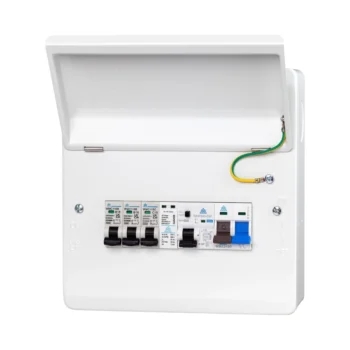
One clear trend when looking for the best consumer unit in 2026 is the growing demand for large consumer units with two or three rows (banks).
Modern installations now often include:
- EV chargers
- heat pumps
- solar PV systems
- battery storage
- additional dedicated circuits
Because of this, electricians increasingly choose larger boards with extra rows, allowing all devices to be installed in one place while leaving room for future upgrades.
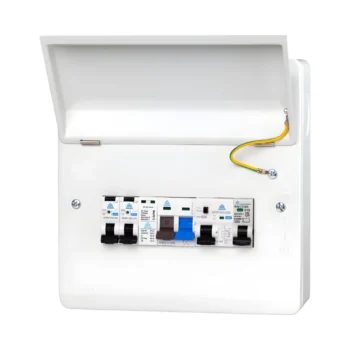
Examples of these boards can be found here:
Choosing a larger board from the start is often part of selecting the best consumer unit in 2026, as it helps future-proof the installation.
Heat Pump Installations Are Driving Larger Boards
Heat pump installations are becoming more common across the UK, particularly in new builds and energy-efficiency upgrades.
These systems often require multiple circuits and specialist protection devices, which means they can quickly fill a standard consumer unit.
In some cases installers choose to install a dedicated board for the heat pump, although larger consumer units allow everything to be integrated into the main installation.
You can view suitable options here:
Heat Pump Consumer Units
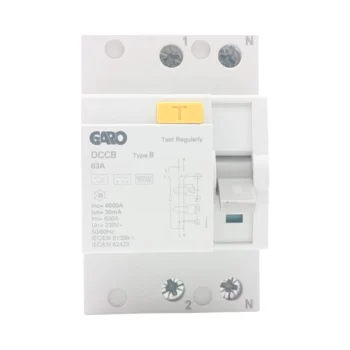
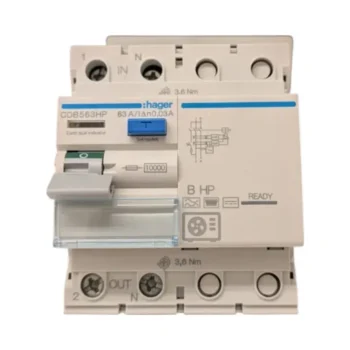
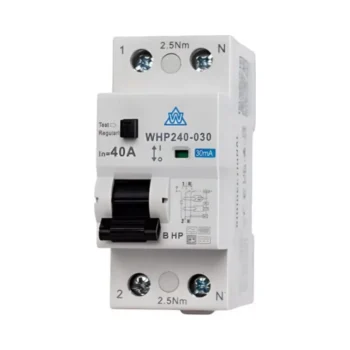
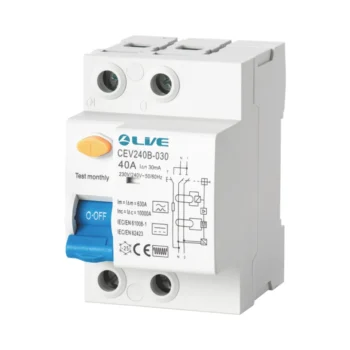
Some installations also require Type B RCD protection designed for heat pump applications.
Currently available options include devices from manufacturers such as:
- Hager
- WCED
These additional devices further support the growing need for larger consumer units when choosing the best consumer unit in 2026.
EV Charger Installations Also Require More Space
EV charger installations are another reason consumer units are increasing in size.
You can view suitable boards here:
A typical EV charger installation normally requires:
- RCBO protection
- Type 2 SPD
Some chargers — particularly Tesla chargers — do not include certain protective devices internally. In these situations additional protection may be installed upstream of the charger, often within a small EV consumer unit.
These setups can easily occupy an entire row within a larger consumer unit, which is another reason electricians choose bigger boards when selecting the best consumer unit in 2026.
For installations requiring PME protection, see:
Bidirectional RCBOs and Solar PV Systems
Another important factor when choosing the best consumer unit in 2026 is compatibility with solar PV systems.
When a property is connected to solar generation, electrical current can flow in both directions through the installation. In these cases protective devices must be suitable for bidirectional current flow.
Most manufacturers currently offer two types of RCBOs:
- Unidirectional RCBOs – designed for installations where current flows only from the grid into the property
- Bidirectional RCBOs – designed for installations where current may flow both directions, such as solar PV systems
Because not every installation includes solar, many manufacturers still produce both types.
However, the industry is gradually moving towards bidirectional RCBOs becoming the standard, and some brands have already simplified their ranges by offering bidirectional devices only.
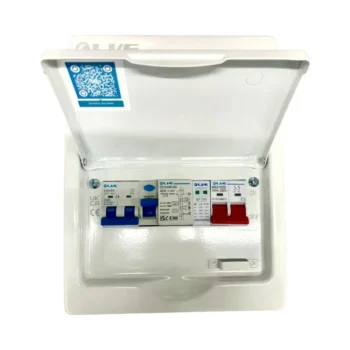
One of the best selling brands in terms of consumer unit kits is Live Electrical. These kits allow installers to combine a consumer unit with their choice of RCBOs including:
- B curve RCBOs
- C curve RCBOs
- Type A protection
Importantly, the Live Electrical consumer unit range uses fully bidirectional RCBOs, ensuring compatibility with modern installations including solar PV systems while remaining very competitively priced.
A Lesser-Known Device: 1 Pole + Switched Neutral RCBO
One device that many electricians are still unaware of is the 1 Pole + Switched Neutral (SP + SN) RCBO.
Many installers assume that if double-pole protection is required, the only option is a true double-pole RCBO, which normally cannot be installed on a standard single-pole busbar consumer unit.
However, there is another option.
A Single Pole + Switched Neutral RCBO, typically rated 6kA 30mA Type A, is available in B40 or C40 versions and occupies two modules.
At first glance it appears similar to a standard double-pole RCBO, but internally it works differently.
Why It Fits a Standard Consumer Unit
The device connects differently from a traditional double-pole RCBO:
- the line conductor connects directly to the 100A busbar
- the neutral is switched internally
- the neutral connects via a flying neutral lead
- the second busbar entry is effectively a dummy slot
Because of this design, the device can be installed alongside standard RCBOs on a normal consumer unit busbar, even though it occupies two module spaces.
This type of device can be useful when designing the best consumer unit in 2026, particularly where additional isolation is required but a separate board is not desired.
Video: Installing a 1 Pole + Switched Neutral RCBO
The video below demonstrates how a 1 Pole + Switched Neutral RCBO can be installed alongside standard RCBO devices in a consumer unit.
It shows:
- how the device connects to the busbar
- why the second module position does not connect to the busbar
- how the flying neutral lead is used
- how the device fits next to standard RCBOs
Can You Mix Brands in Large Consumer Units?
With the increasing popularity of two-row and three-row boards, electricians often ask whether different manufacturers’ devices can be used within the same consumer unit.
Mixing Devices on the Same Busbar
Devices from different manufacturers must never be mixed on the same busbar.
Consumer unit manufacturers design their RCBOs specifically to match their own busbar systems. Mixing brands can lead to:
- poor electrical connections
- overheating
- unreliable protection
- mechanical damage to the busbar
Many electricians have seen bent busbars used to force an RCBO to fit, which is clearly incorrect and unsafe.
What About Separate Rows?
Large consumer units sometimes include separate busbars for different rows.
For example:
- top row with RCBOs on a 100A busbar
- bottom row used for specialist devices
In some cases electricians may install specialist protection devices from another manufacturer, particularly when the main consumer unit brand does not produce the required device.
Examples include:
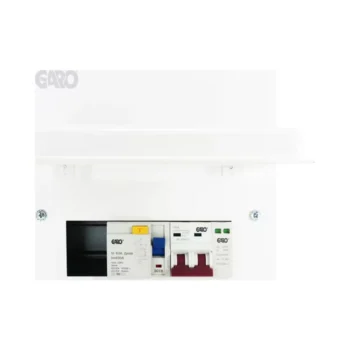
- PEN fault / PME loss detection units
(currently available from WCED and Garo) - Type B RCD protection for heat pumps
(available from Hager and WCED)
Even when selecting the best consumer unit in 2026, installers should ensure:
- manufacturer instructions are followed
- installations comply with BS 7671
- enclosure space and heat dissipation are adequate
As long as devices are not connected to the same busbar, installing devices from different manufacturers on separate rows or dedicated sections can be perfectly acceptable.
BS 7671 Amendment 4 – Does It Change Consumer Unit Installations?
The introduction of BS 7671 Amendment 4 (2026) does not introduce major changes specifically affecting consumer unit installations.
Key requirements remain largely unchanged:
- metal consumer units for domestic installations
- surge protection devices required unless risk assessed
- RCBO protection widely considered best practice
You can see the latest regulatory books here:
Consumer Unit FAQ
What is the best consumer unit in 2026?
The best consumer unit in 2026 is typically a metal RCBO consumer unit with Type 2 SPD protection and enough space to support modern electrical systems such as EV chargers, heat pumps and solar PV installations.
Are RCBO consumer units better than split-load boards?
Yes. RCBO consumer units provide individual circuit protection, which prevents one fault from disconnecting multiple circuits.
Can RCBO brands be mixed in a consumer unit?
No. RCBOs should not be mixed on the same busbar, as they are designed specifically for the manufacturer’s busbar system.
Do I need bidirectional RCBOs for solar PV?
Yes. When an installation includes solar PV or battery storage, protective devices must support bidirectional current flow.
Consumer Unit Trends for 2026
The main trend shaping the best consumer unit in 2026 is simple:
Modern installations require more space.
With increasing demand for:
- EV chargers
- heat pumps
- solar PV systems
- battery storage
- smart home technologies
electricians are increasingly choosing larger RCBO consumer units with two or three rows.
For this reason, the best consumer unit in 2026 is typically a metal RCBO board with Type 2 SPD protection and enough space to support modern electrical systems and future upgrades.
Follow Electrical4Less for More Electrical Tips
Electrical installations continue to evolve with technologies such as EV charging, heat pumps, solar PV systems and modern RCBO protection devices. Staying up to date with new equipment and installation practices is becoming increasingly important for electricians.
At Electrical4Less, we regularly share installation tips, product demonstrations and guidance to help electricians stay up to date.
Follow us for:
- installation guides
- product demonstrations
- consumer unit technology updates
- EV and heat pump protection solutions
- industry news and regulation updates
YouTube
Watch installation videos and product demonstrations on our YouTube channel.
Follow us on Facebook for updates, discussions and new electrical products.
See installation setups, product highlights and new equipment on our Instagram.
Stay connected with Electrical4Less to keep up with the latest developments in consumer units, RCBO protection and modern electrical installations.

























Best RCBO Consumer Unit in 2026