


Still using an old fuse box at home? You wouldn’t be the only one. Many homes in the UK still rely on these outdated systems, often without knowing the risks—or whether they’re still compliant with modern regulations.
Whether you call it a fuse box, fuse board, or simply “the electrics,” it’s essential to know when it’s time to replace your existing unit with a safe, modern consumer unit.
What Is an Old Fuse Box?
An old fuse box is a traditional electrical panel that uses rewireable fuses. These systems were common in homes across the UK for decades.
Unlike modern units that automatically trip when there’s a fault, old systems rely on thin fuse wire that melts under overload. That means you need to manually replace the fuse wire every time it blows—a far cry from the convenience of modern circuit breakers.
You may also hear people call them old fuse boards or fuse panels—but no matter the name, they’re typically outdated and missing key safety features.
Are Old Fuse Boards Still Legal?
Here’s the straight answer:
Having an old fuse box isn’t automatically illegal—but whether it’s still safe or compliant depends on your property’s overall electrical condition.
The only proper way to find out is to have a qualified electrician carry out an EICR (Electrical Installation Condition Report).
This inspection will assess:
- The condition of your entire electrical installation.
- Whether your system—including your fuse box—meets current UK wiring regulations (BS 7671).
- Whether there are safety hazards or urgent repair needs.
Let’s be honest—with so many changes to UK safety regulations over the years, most homes still using an old fuse board or fuse box are likely due for an upgrade. Even if everything “seems” to work, missing crucial features like RCDs can put you—and your property—at serious risk.
Difference Between Old Fuse Boxes and Modern Consumer Units
People often search for:
- Difference between fuse boxes and consumer units
- What is the difference between fuse boxes and fuse boards?
Here’s a clear comparison:
| Old Fuse Boxes (or Fuse Boards) | Modern Consumer Units |
|---|---|
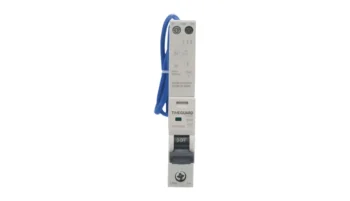
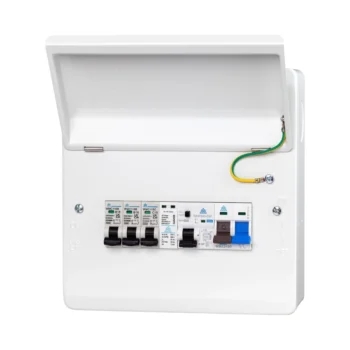
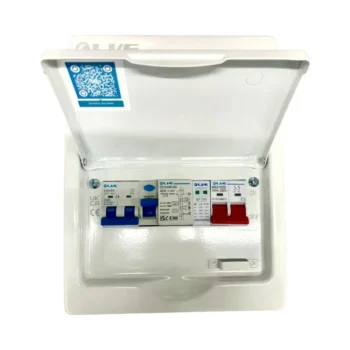
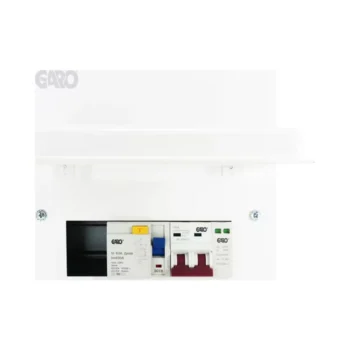
| Rewireable fuses requiring manual replacement | MCBs & RCDs for automatic, safe operation |
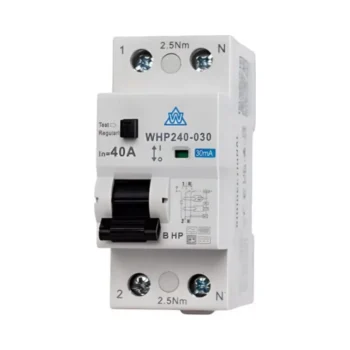
| No earth leakage protection | RCD/RCBO protection against electric shock |
| Basic overload protection | Advanced circuit and user protection |
| Often wooden or metal construction | Modern fire-retardant enclosures |
| Increased risk of fire or electric shock | Fully compliant with UK safety regulations |
The Electrician’s Joke (and Why Trusted Suppliers Matter)
Here’s a classic joke among electricians:
It’s a funny line—but there’s real truth behind it.
Buying electrical products from second-hand sites or unverified sellers risks ending up with a genuinely old fuse box—dangerous, non-compliant, and potentially illegal to install.
Why You Can Trust Electrical4Less
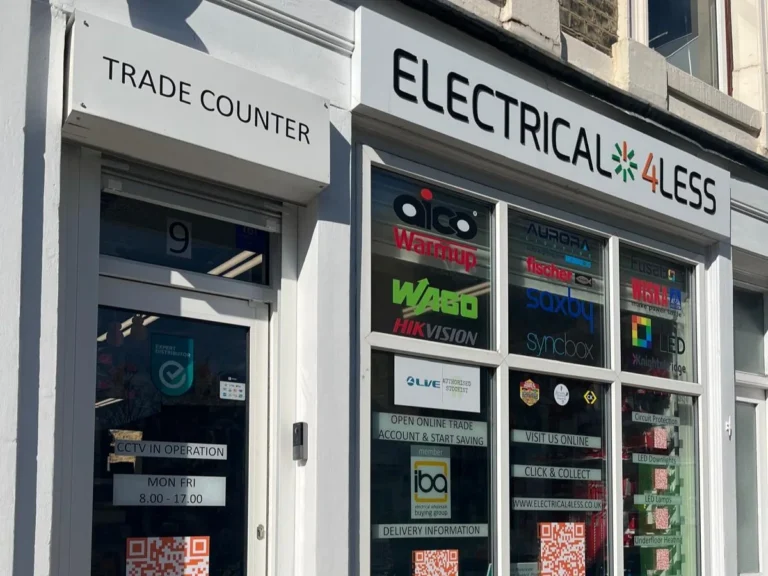
At Electrical4Less, we only supply safe, fully compliant, brand-new electrical products.
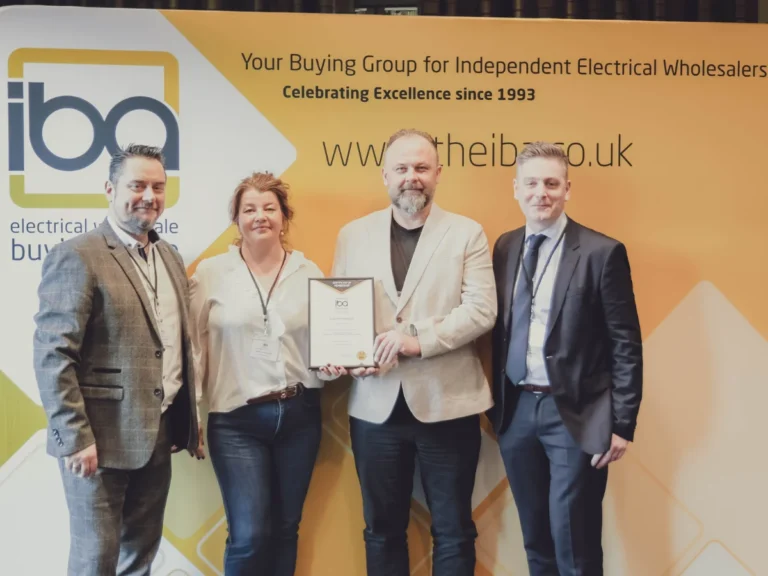
We’re proud members of:
- IBA Buying Group
- EDA (Electrical Distributors’ Association)
Every product we sell—whether you search for fuse boxes, fuse boards, or consumer units—is safe, certified, and compliant with UK regulations.
Fun Fact: The Clever Brand Behind Modern FuseBoxes
Here’s something that often surprises customers:
The most popular brand of consumer units in the UK today is actually called… FuseBox!
Clever name, right?
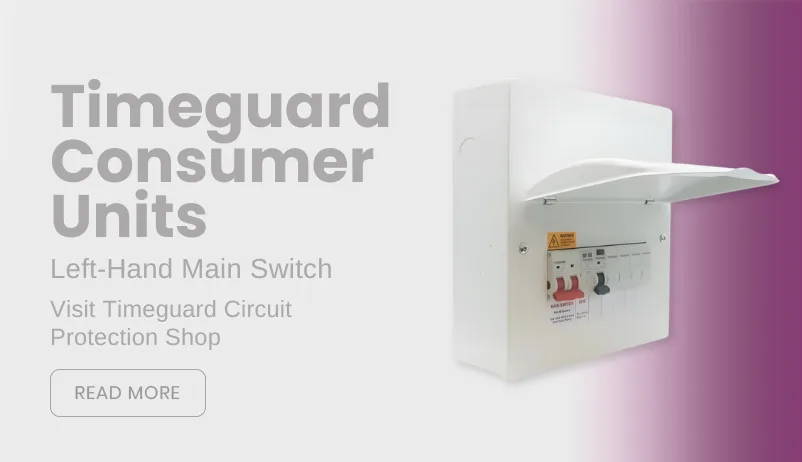
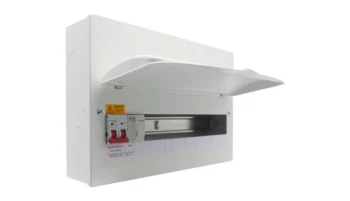
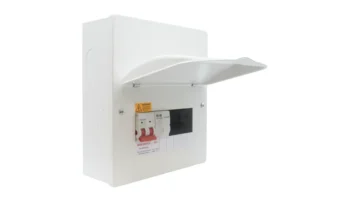
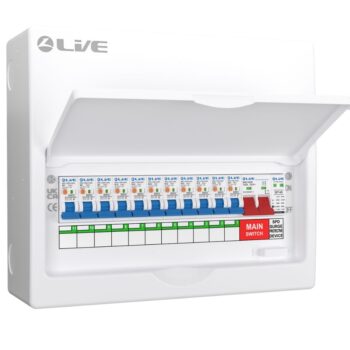
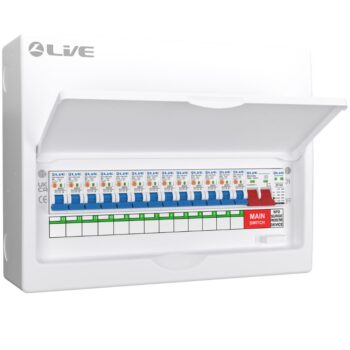
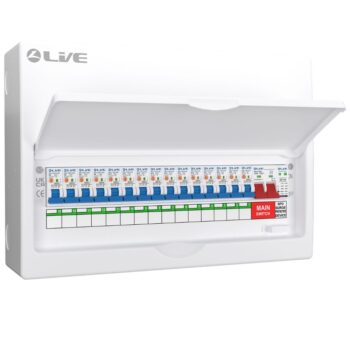
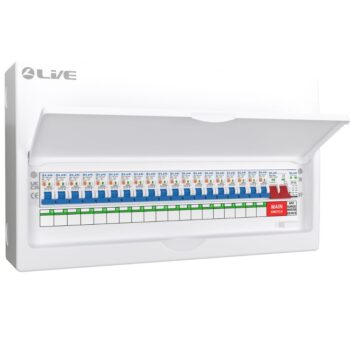
While the name may sound like we’re talking about the old systems we’ve been warning you about, FuseBox (the brand) produces fully compliant, modern consumer units that meet the latest UK electrical standards. Shop Modern FuseBox Consumer Units.
Ready to Upgrade? Explore Our Safe, Compliant Consumer Units:
- Shop Fuse Boxes (Modern consumer units, despite the name.)
- Browse Fuse Boards (Still widely searched—but all products are compliant.)
- Explore modern Consumer Units (The correct term for today’s electrical systems.)
FAQs About Old Fuse Boxes
⚠️ Be cautious of quotes that seem too good to be true—electrical safety is not something to cut corners on.
However, many homes with older fuse boxes will likely need an upgrade due to changing safety standards.
Conclusion: Don’t Let Old Fuse Boxes Put Your Home at Risk
If your home still uses an old fuse box or fuse board, now’s the time to upgrade to a modern consumer unit. Modern units offer superior protection, meet current UK regulations, and keep your home and family safe. Shop confidently with Electrical4Less—your trusted source for certified, safe electrical products.



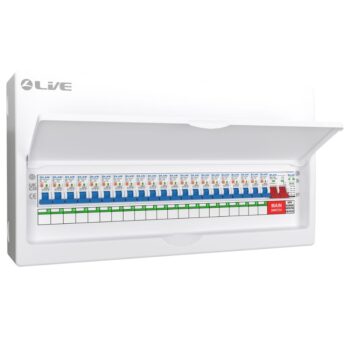

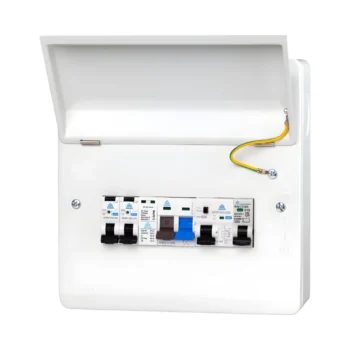
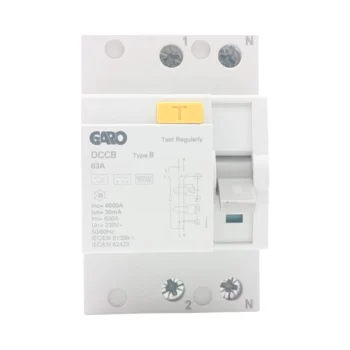
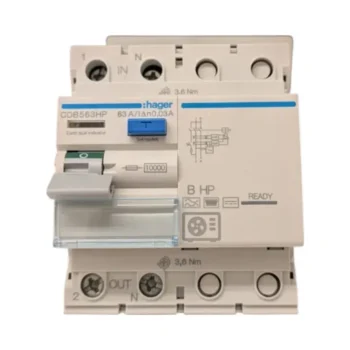


























We are in the process of purchasing a bungalow and the sevayors report says the and boiler are red areas and the house is unsafe. We have asked the vendor to have them checked. We have looked at several other properties and they are all the same. When I sold my home in France I had to have an extreamly extensive and costly report before I could sell. Why did this country combined the landlords requirements and legislation to privet houses when they come onto the market to help make private houses safe. You can’t get a mortgage and insured if your electrice don’t come up to standard and prevent fires deaths . It would beneficial for you company and other organisations to lobby the government. Kind regards David Fawcett
Thank you, David, for raising this — it’s an important discussion.
As a company working closely with electricians every day, we absolutely agree that safer homes should be a priority. Our industry has been pushing hard for higher standards, clearer regulations, and better protection for homeowners. But, as you’ve noticed, large-scale changes don’t happen overnight and often take longer than any of us would like.
We fully support any legislation that improves the safety of domestic electrical installations and helps buyers like yourself avoid hidden issues. Your experience highlights exactly why continued progress is needed.
If you ever need guidance on bringing an installation up to standard or understanding what a surveyor has flagged, we’re always here to help.
— Electrical4Less Team