



Fusebox Consumer Unit: A Complete Guide to RCBO Consumer Units, AFDDs, and SPDs
When it comes to protecting your home or business, it’s important to understand the key components of your electrical setup. In this article, we look at FuseBox consumer unit features explained — breaking down what sets this brand apart in terms of safety, convenience, and compliance. Whether you’re a homeowner planning an upgrade or an electrician reviewing specs, knowing how FuseBox units are built helps ensure reliable protection for every circuit.
From AFDDs and SPDs, this guide will break down everything you need to know about Fusebox consumer units. By the end of this article, you’ll have a clear picture of the brand, the importance of various features like RCBOs, AFDDs, and SPDs, and why Fusebox is leading the charge in modern electrical protection.
What Is a Consumer Unit, and Why Is It Important?
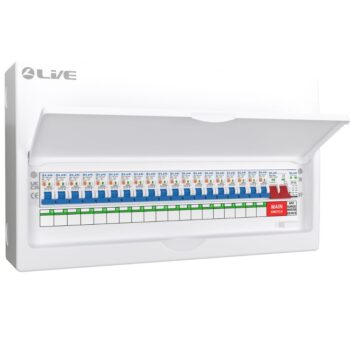
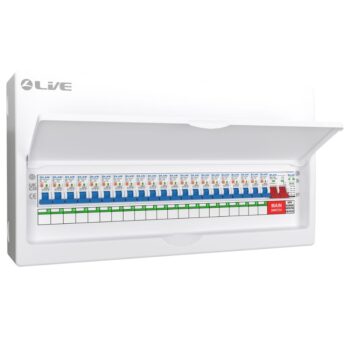
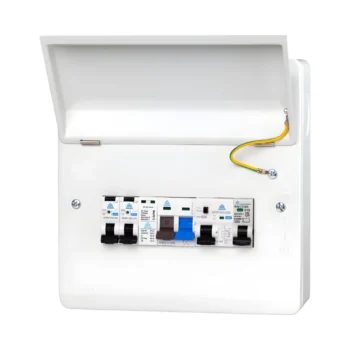
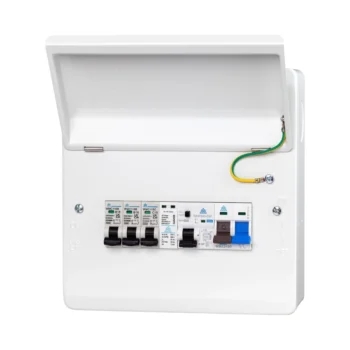
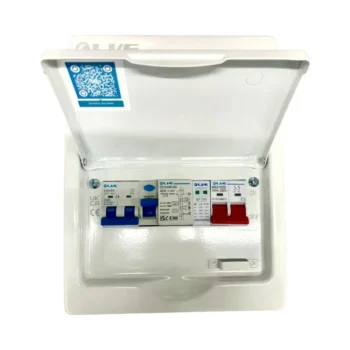
A consumer unit—commonly known as a fuse box or breaker box—serves as the control center for your electrical distribution. It’s where electricity enters your property from the mains supply and gets safely routed to different circuits around your home or business.
Imagine your home’s electrical system as a set of veins. The consumer unit is the heart, ensuring that electricity flows efficiently and, more importantly, safely. Without a properly functioning consumer unit, power surges, short circuits, or electrical fires could wreak havoc.
Fusebox: A Leader in Electrical Safety

Fusebox, as a brand, is well-known for its user-friendly design and advanced safety features. Their consumer units are recognized for being easy to install, reliable, and built to comply with the latest UK electrical safety standards, including 18th Edition Wiring Regulations.
So why does the type of consumer unit matter, and why do Fusebox consumer units outperform many competitors? Let’s dive into the specifics.
Understanding the Fusebox Consumer Unit
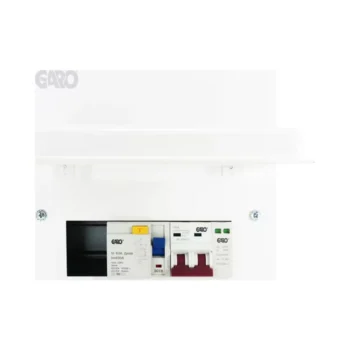
The Fusebox consumer unit isn’t just your ordinary electrical panel. It’s a cutting-edge system that prioritizes safety and efficiency. Designed with both installers and homeowners in mind, Fusebox units offer several advanced features that enhance performance while minimizing risks.
Key Features:
- RCBOs (Residual Current Circuit Breakers with Overcurrent Protection)
- SPDs (Surge Protection Devices)
- AFDDs (Arc Fault Detection Devices)
Each of these components plays a critical role in ensuring the safety and smooth operation of your electrical system.
RCBOs: The Core of Fusebox’s Safety System
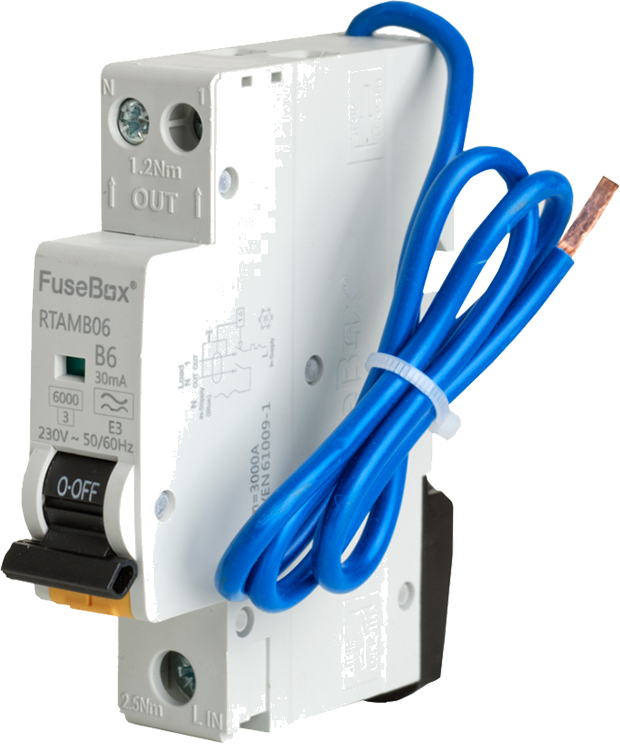
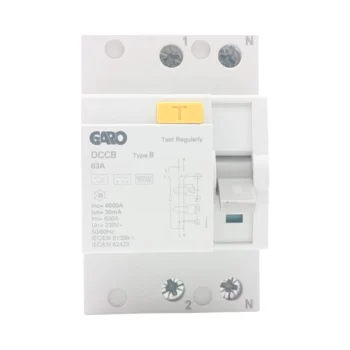
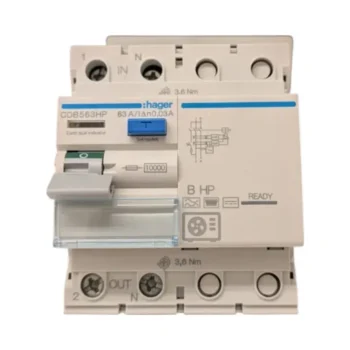
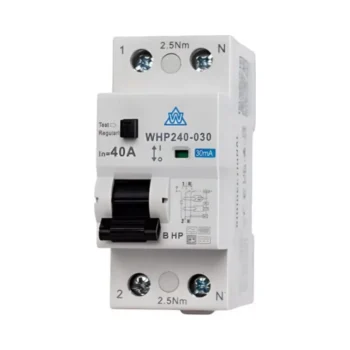
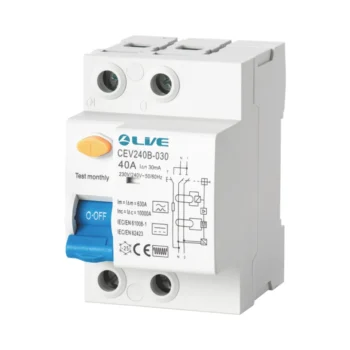
An RCBO Consumer Unit is not just a buzzword—it represents the future of electrical safety. RCBOs combine the functionality of a residual current device (RCD) with that of an overcurrent protection device (MCB). In simple terms, they provide two layers of protection.
Imagine this: You’re plugging in a kettle, but there’s a wiring fault in the socket. An RCBO detects this fault, isolates the circuit, and prevents potential damage to both your electrical system and yourself. By doing so, RCBOs protect against both electrical shocks and overloading, minimizing the risks of electrical fires and other hazards.
Why Choose an RCBO Consumer Unit from Fusebox?
- Enhanced Circuit Control: RCBOs protect each circuit individually. This means that if there’s an issue with one appliance or part of your home, only that circuit will trip—leaving the rest of the house functioning normally. This is a significant upgrade from traditional consumer units, where one fault could cut off power to an entire section of the home.
- Improved Safety: Fusebox’s RCBO consumer units are designed to ensure minimal disruption while maximizing safety. For electricians, these units make installation and troubleshooting easier. For homeowners, they offer peace of mind by reducing the risks of both overloading and electrocution.
- Compliance with Regulations: RCBOs are now essential for properties in the UK, in line with the 18th Edition Wiring Regulations. Fusebox has stayed ahead of the curve by designing consumer units that fully adhere to these standards.
Surge Protection Devices (SPDs): Safeguarding Your Electricals from Surges
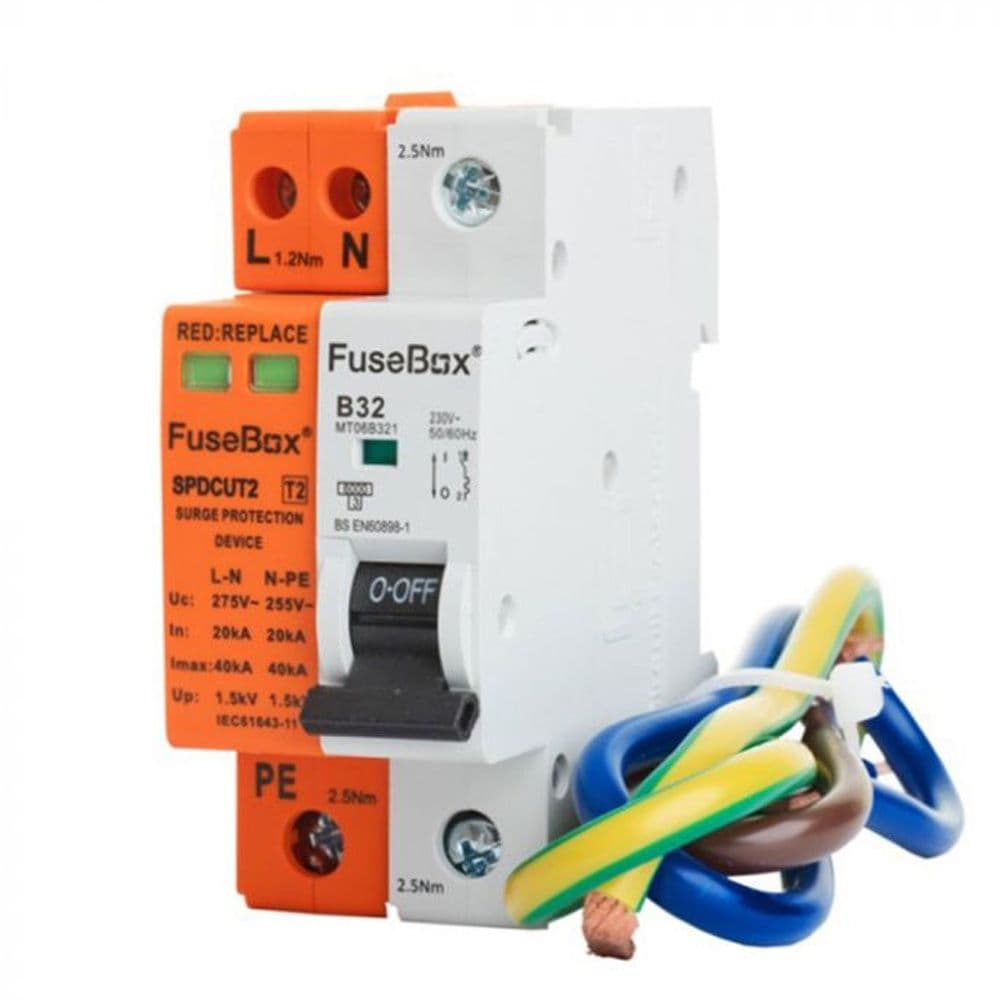
While RCBOs deal with faults within your home, Surge Protection Devices (SPDs) defend against external electrical issues—like lightning strikes or sudden power surges from the grid.
Imagine you’re working from home, and a thunderstorm sends a surge through the power lines. Without an SPD, that sudden burst of electricity could damage your sensitive electronics, from your computer to your appliances. SPDs act as the barrier, diverting that excess energy safely to the ground before it reaches your valuable devices.
Why Should You Install a Fusebox Consumer Unit with SPD? – FuseBox Consumer Unit Features Explained
- Protection Against Electrical Surges: SPDs can prevent thousands of pounds in damage by guarding against voltage spikes.
- Mandatory for Many Homes: As of the 18th Edition Wiring Regulations, surge protection is no longer optional for certain types of properties, including high-rise buildings and homes in rural areas prone to lightning strikes.
Fusebox consumer units include SPD functionality or the option to add it, making them an ideal choice for those who prioritize long-term protection.
Arc Fault Detection Devices (AFDDs): An Extra Layer of Protection
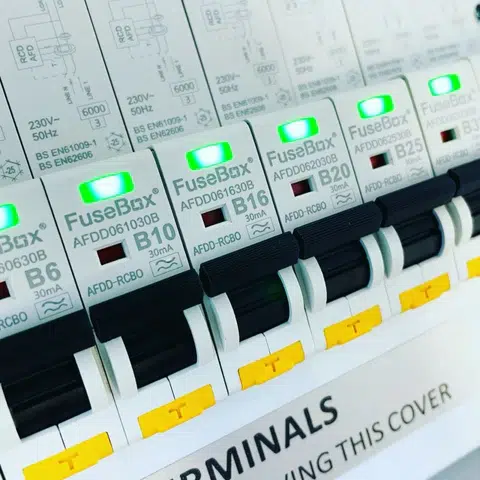
One of the more recent innovations in electrical safety, AFDDs are designed to detect arc faults—small sparks that can occur in damaged or deteriorating electrical wiring. These sparks, although small, have the potential to cause catastrophic fires if left unchecked.
AFDDs are the Sherlock Holmes of your consumer unit, hunting down these sneaky sparks before they turn into bigger issues.
Benefits of Fusebox AFDDs:
- Detect and Prevent Fires: AFDDs can prevent fires by detecting arc faults early.
- Recommended for High-Risk Areas: AFDDs are especially useful in areas where electrical wiring may be subject to wear and tear, such as older homes or commercial spaces.
- Optional, but Valuable: While not yet mandatory across the board, AFDDs are becoming an increasingly popular choice for those who want to go the extra mile in electrical safety.
Installing a Fusebox Consumer Unit: What You Need to Know
One of the key reasons electricians and homeowners alike favor Fusebox consumer units is their ease of installation. But what exactly should you consider before installing one?
Professional Installation
First and foremost, it’s essential to have your Fusebox consumer unit installed by a qualified electrician. This ensures compliance with UK wiring regulations and guarantees that the system will work as intended.
Flexibility in Design
Fusebox consumer units are designed to be modular. This means you can customize your unit based on the needs of your home or business. Whether you need a simple RCBO consumer unit or a system with SPDs and AFDDs, Fusebox offers flexibility in configuration to suit a variety of installations.
Future-Proofing Your Electrical System
When you opt for a Fusebox consumer unit, you’re investing in a system that will evolve with your needs. The brand’s dedication to innovation and compliance with the latest regulations means that your home will be protected not just today but for years to come.
Conclusion: Why Choose Fusebox Consumer Units?
In a world where electrical safety is paramount, Fusebox consumer units stand out for their reliability, innovation, and compliance with the most stringent safety standards. Whether you’re looking for a system with RCBOs for circuit-specific protection, SPDs to guard against surges, or AFDDs to prevent fires, Fusebox has you covered.
Their user-friendly design, coupled with advanced features, makes them the perfect choice for both professional electricians and homeowners looking to future-proof their electrical systems. Fusebox consumer units aren’t just a purchase; they’re an investment in safety, security, and peace of mind.
See the full range of Fusebox Consumer Units.

FAQ: FuseBox Consumer Unit Features Explained
Here’s a comprehensive FAQ section to answer all your questions about Fusebox consumer units, RCBOs, SPDs, and more.




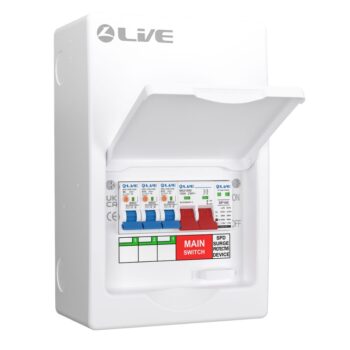
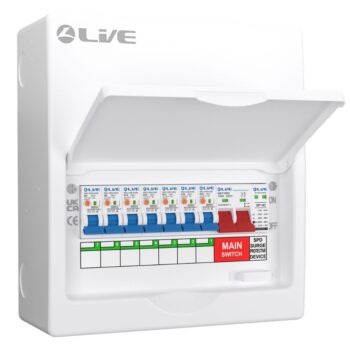
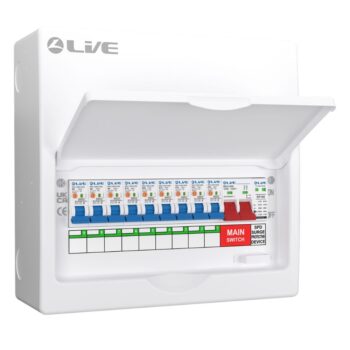
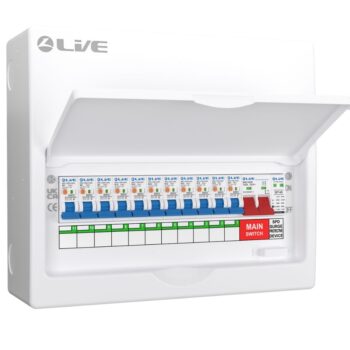
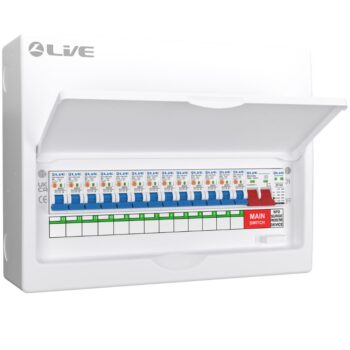
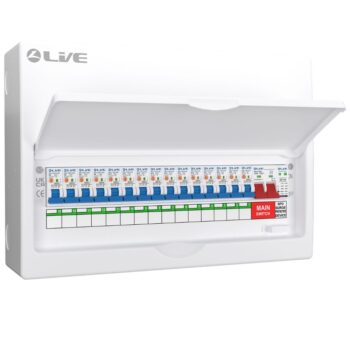





























Fusebox Consumer Unit Overview