


Table of Contents
Wiring Garden Lights: Complete Installation Guide for Outdoor Lighting
Installing garden lighting can completely transform an outdoor space, highlighting landscaping features, improving safety and creating an inviting atmosphere after dark. However, the success of any outdoor lighting system depends heavily on how well the wiring is installed and protected.
When wiring garden lights, using the correct cables, connectors and waterproof accessories ensures the installation remains safe and reliable for many years. Outdoor electrical systems must cope with moisture, temperature changes, soil movement and the occasional gardening mishap.
This guide explains how electricians approach wiring garden lights, covering cable selection, waterproof connections, junction boxes, gel protection and practical installation tips used in real outdoor lighting installations.
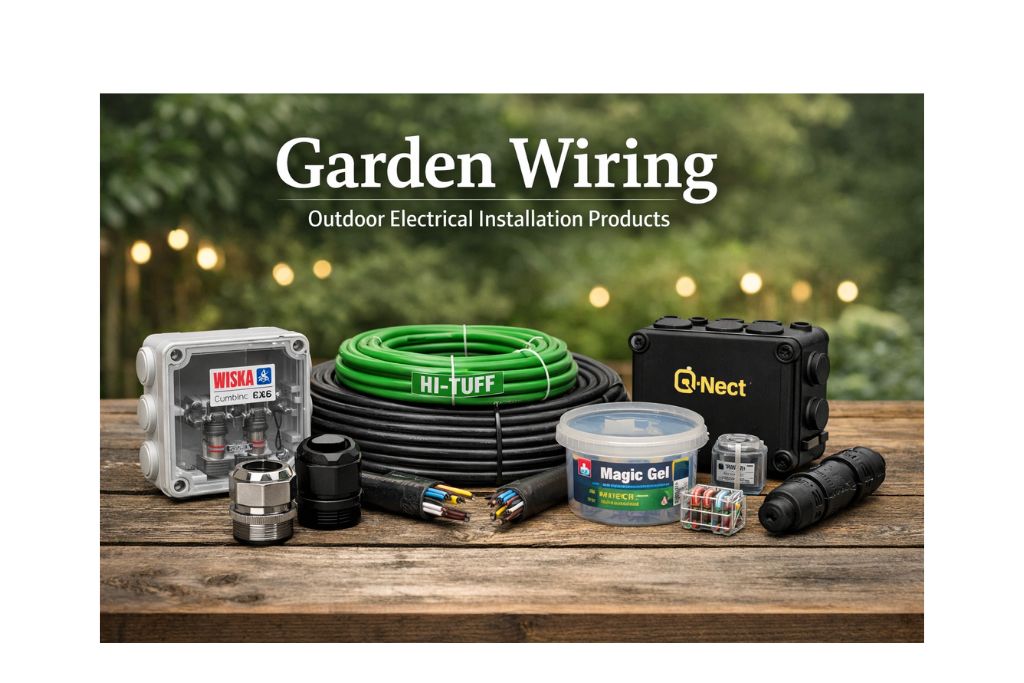
If you are planning a project, you can browse suitable accessories in our Garden Wiring category where you will find junction boxes, cable glands, waterproof connectors and outdoor electrical cables suitable for garden installations.
Planning a Garden Lighting Installation
Before starting any installation, it is always worth planning how the garden lighting system will be wired.
Think about where the lights will be positioned, how cables will run between fixtures and where junction boxes can be located safely and discreetly. Reducing the number of cable joints wherever possible will improve reliability.
It is also wise to consider future expansion. Many homeowners add additional garden lighting over time, so leaving spare capacity in junction boxes or planning extra cable routes can make upgrades much easier later.
Good planning makes wiring garden lights far simpler and avoids unnecessary complications during installation.
RCD Protection and Dedicated Garden Lighting Circuits
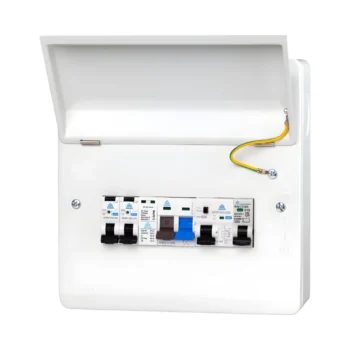
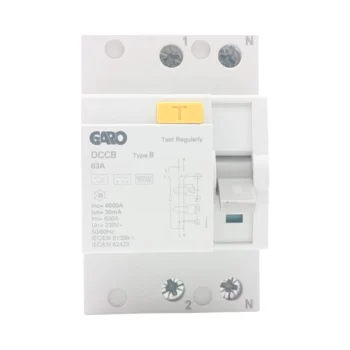
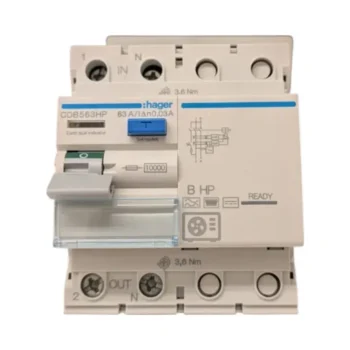
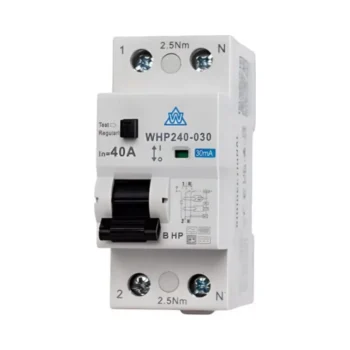
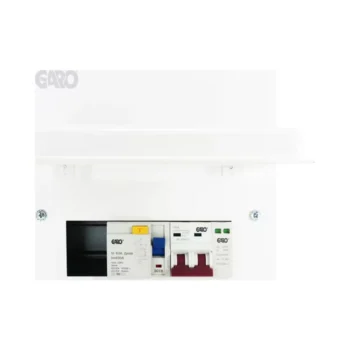
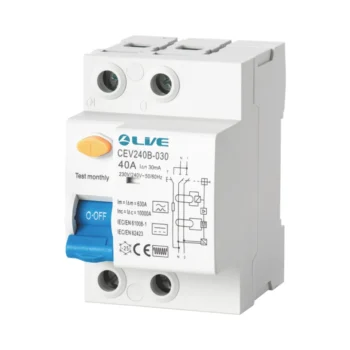
Before installing any garden wiring, always ensure the circuit is protected by an RCD (Residual Current Device).
RCD protection is extremely important when wiring garden lights because outdoor installations are exposed to rain, soil moisture and accidental damage from gardening tools. If a fault occurs, the RCD disconnects the supply extremely quickly, helping reduce the risk of electric shock.
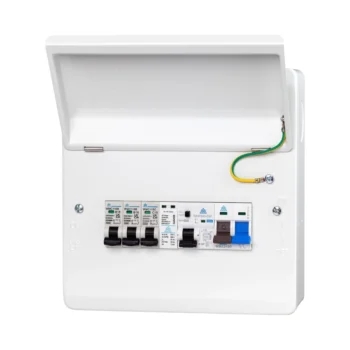
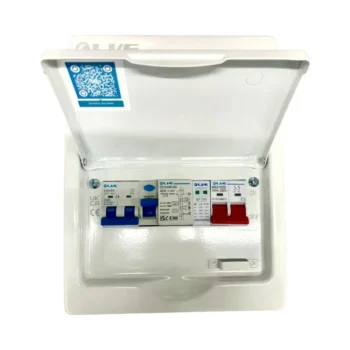
Where possible, electricians often install garden lighting on a dedicated circuit rather than sharing the circuit with indoor lighting.
Advantages include:
• faults outdoors will not affect lighting inside the house
• the garden circuit can be isolated independently
• troubleshooting becomes easier
• future expansion of outdoor lighting becomes simpler
Choosing the Correct Cable for Wiring Garden Lights
Selecting the correct cable is one of the most important steps when wiring garden lights.
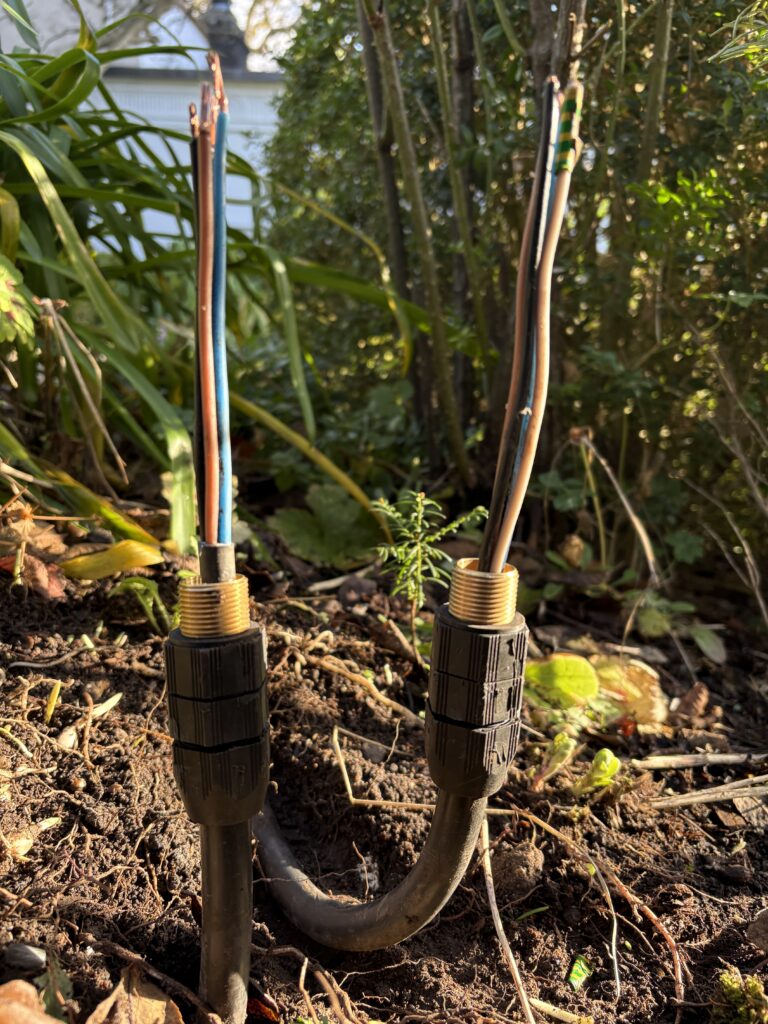
If the cable will be installed underground, electricians commonly use SWA armoured cable. The steel wire armour provides strong mechanical protection and allows the cable to be buried safely when installed correctly.
Other cables suitable for outdoor environments include:
Both are durable outdoor cables and are generally more robust than standard indoor wiring. However, unlike SWA cable they do not include steel armouring, so installers should carefully consider how the cable route is protected.
Terminating SWA Cable Correctly
When installing SWA armoured cable, the cable must always be terminated using a proper SWA cable gland.
The gland clamps the armour securely, seals the cable entry and protects the cable from mechanical damage.
There are several options available depending on installer preference.
Electricians who appreciate premium accessories often choose Wiska Shield SWA glands. These glands are extremely well engineered and popular with installers who enjoy using high-quality fittings and do not mind spending a little extra for a solid installation.
Another interesting option is Storm SWA glands, which have gained popularity with electricians who like innovative accessories.
For more traditional installations, CW type SWA glands remain the standard and are widely used across the industry.
Earthing SWA Cable Armour
The steel armour of SWA cable must be properly earthed where required.
Accessories that help ensure reliable bonding include:
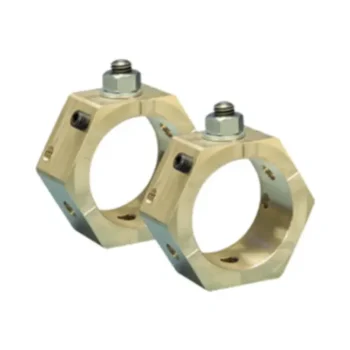
• SWA EarthFix earthing locknuts ( SWA EFX20PK2 Earthfix Earthing Locknut M20 Pack 2 )
• Wiska earthing nuts ( EN20 Wiska Earthing Nuts – Pack of 6 )
• Wiska earthing springs ( Wiska E-SPRING20 – Pack of 5 )
These components ensure proper electrical contact between the gland and enclosure so the armour can provide an effective earth path.
Waterproof Junction Boxes
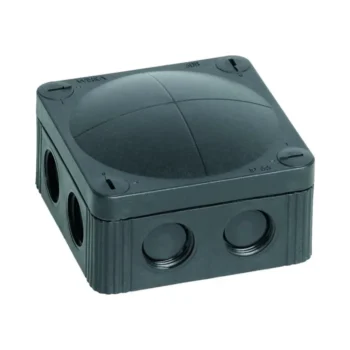
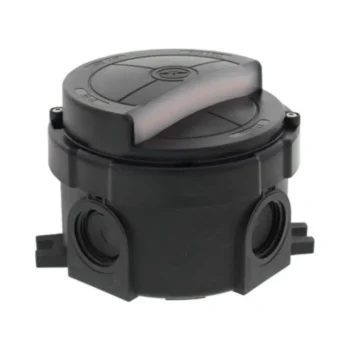
Outdoor cable connections should always be protected using waterproof junction boxes.
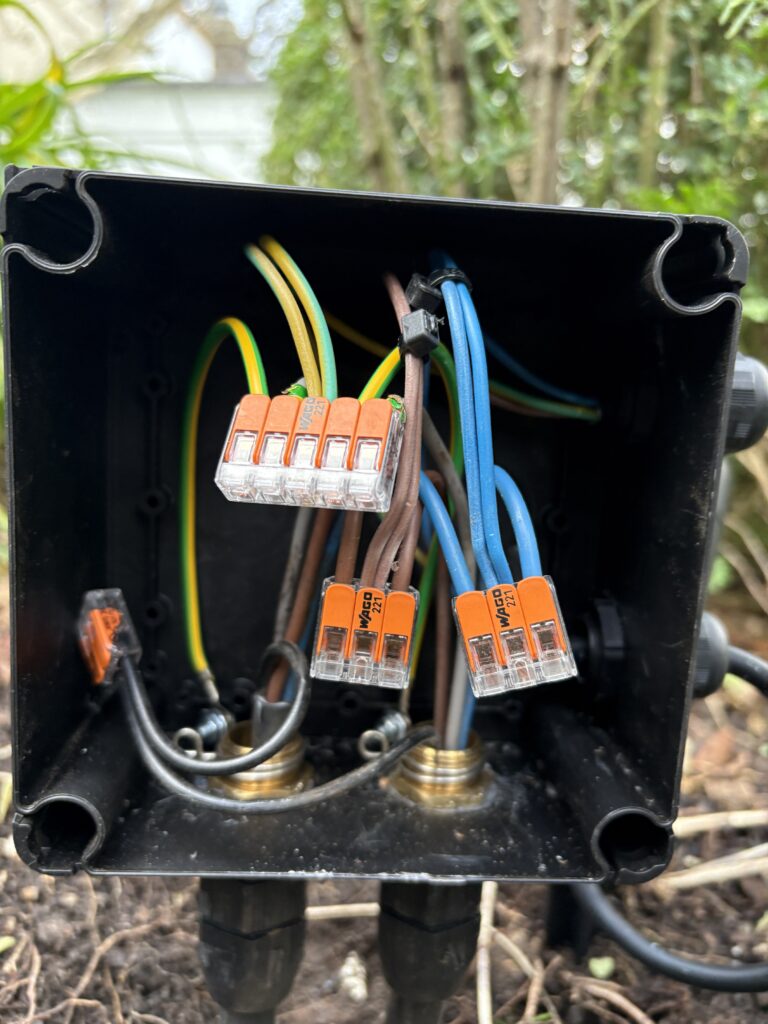
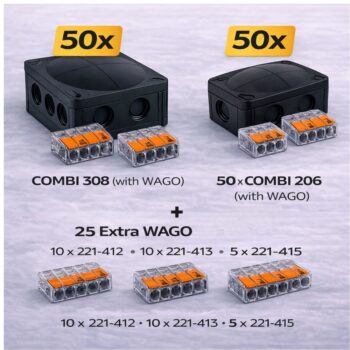
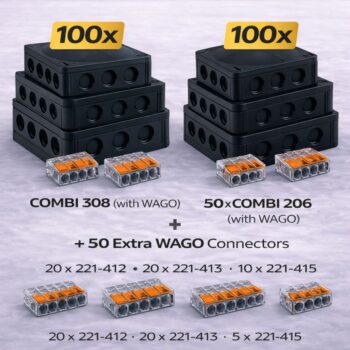
Products such as Wiska Combi junction boxes and Unicrimp Q-Nect junction boxes are widely used because they are durable, easy to install and designed specifically for outdoor installations.
One installation rule is worth repeating.
Never drill through the back wall of a junction box.
Drilling through the enclosure damages the seal and allows water to enter the box. Always mount junction boxes using the fixing points designed by the manufacturer.
Cable Glands for Outdoor Wiring
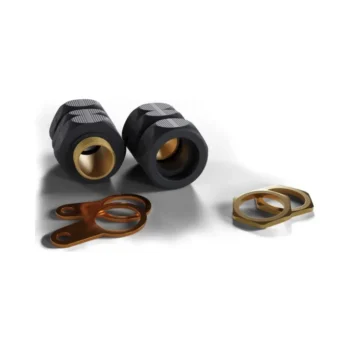
Cable glands secure cables entering junction boxes and enclosures while maintaining environmental protection.
Common options include:
• Nylon cable glands
• SWA cable glands
Correctly installed glands provide strain relief and prevent moisture ingress.
When wiring garden lights with small diameter cables, such as those used with spike lights, standard glands sometimes do not seal properly. In those cases a gland with a reduction sealing insert, such as the Wiska Sprint gland, can securely clamp smaller cables.
Protect Garden Light Cables from Animal Damage
Some electricians report that cables attached to spike lights occasionally attract attention from animals.
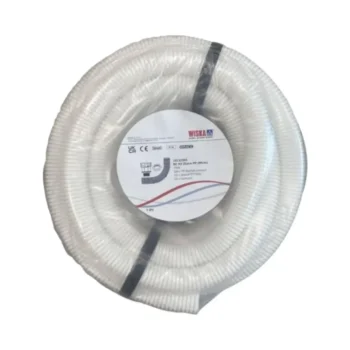
A simple trick used on many installations is to sleeve the cable between the light and the junction box inside flexible conduit.
A product such as 13mm Black Flexible Conduit Coil can be slipped over the cable tail. Even though PVC conduit could technically still be chewed, installers often find that enclosing the cable discourages animals from damaging it.
Sometimes the simplest solutions work surprisingly well.
Waterproof Cable Connectors
When wiring garden lights outdoors, electrical connections must be protected from moisture.
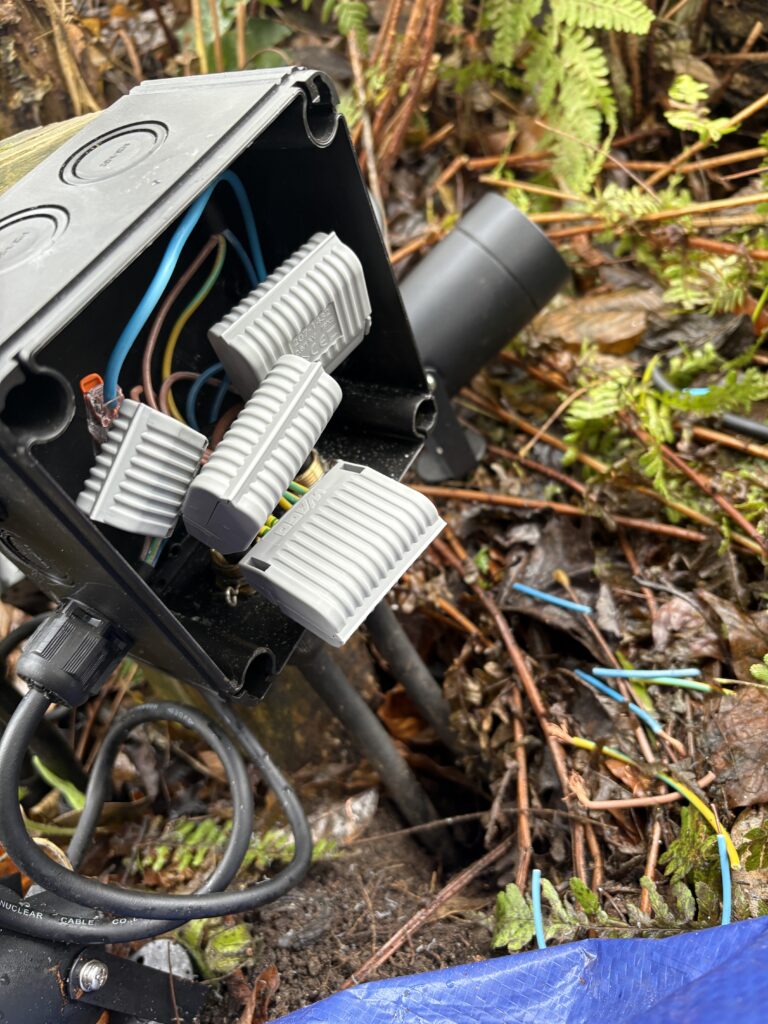
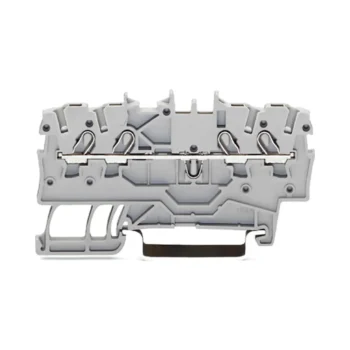
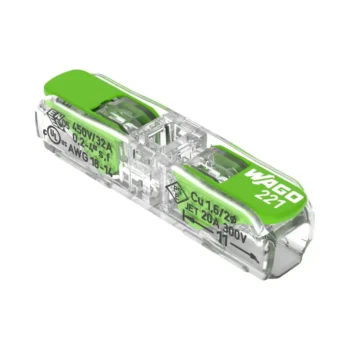
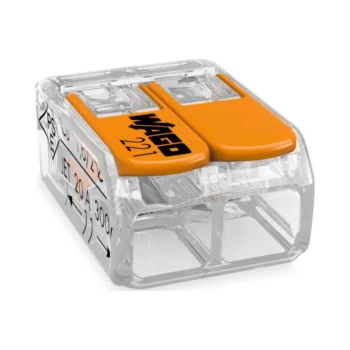
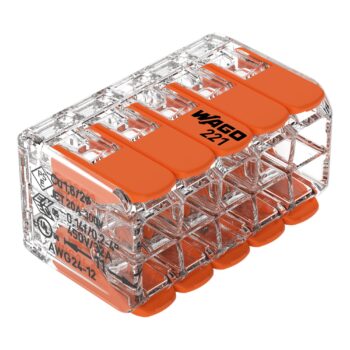
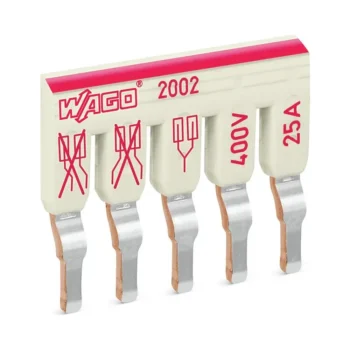
Standard WAGO connectors are not waterproof on their own. When used outdoors they must always be installed inside waterproof enclosures or inside WAGO gel boxes.
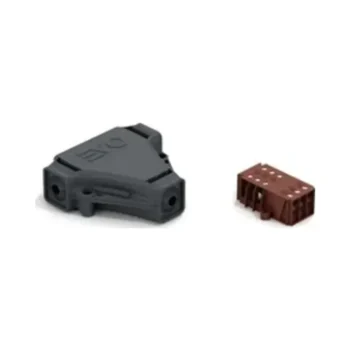
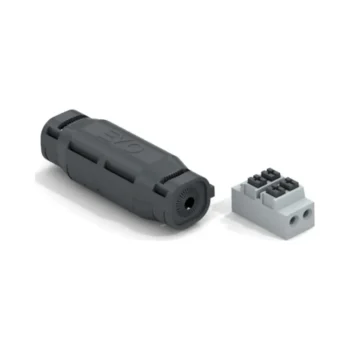
Another option is using IP68 waterproof inline connectors, such as the Unicrimp Q-Nect inline connector, which can be used when extending cables or repairing damaged cable sections.
Waterproofing Electrical Connections with Gel
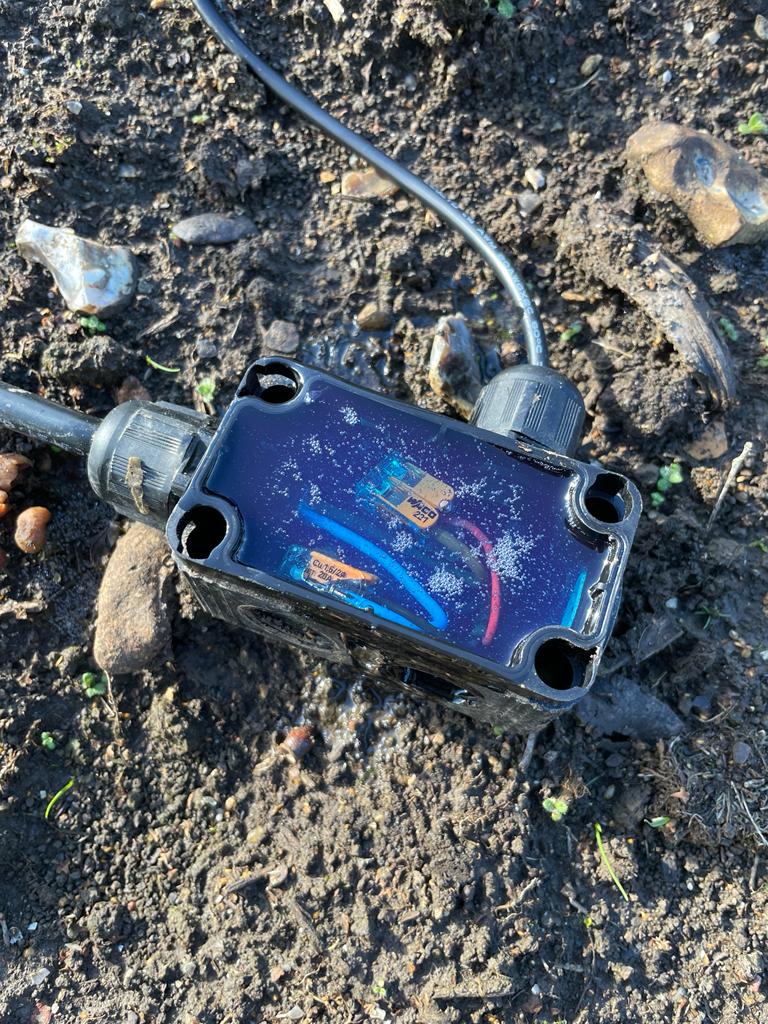
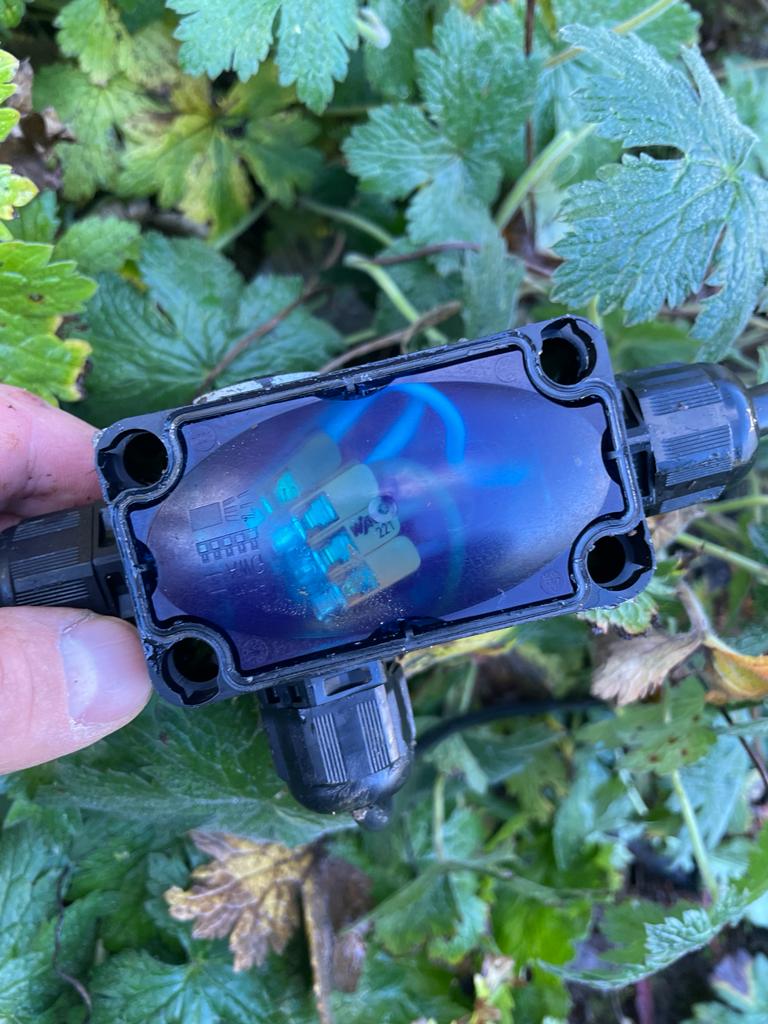
Many electricians add an additional layer of protection by sealing outdoor connections with electrical gel compounds.
Two popular options include:
• Wiska MP-One filler gel
• Raytech Magic Gel
Magic Gel products are available in several sizes, which can make them more economical for larger installations.
Gel protection ensures that cable connections remain protected even if moisture enters the junction box.
Tip: Filling Junction Boxes with Gel
When filling a junction box with gel you can simply leave the enclosure open, pour the gel inside and allow it to settle around the connectors before closing the lid.
However, experienced installers sometimes use another technique.
Many junction boxes include spare knockouts. By opening one knockout and carefully pouring gel through the opening until it begins to flow back out, the entire internal space can be filled.
This ensures the electrical connections are completely surrounded by gel.
The opening can then be sealed using a Wiska Stop End EVSG20 M20.
Preventing Condensation in Outdoor Junction Boxes
Condensation can sometimes form inside outdoor enclosures due to temperature changes between day and night.
Pressure compensation vents allow air pressure equalisation while preventing water ingress.
Examples include:
• Wiska VentGland pressure compensation gland
• Wiska VentPlug pressure compensation unit
These accessories help reduce condensation inside outdoor junction boxes.
Extra Low Voltage Garden Lighting Systems
Many modern garden lighting systems operate using extra low voltage rather than traditional 230V wiring.
This approach offers several advantages.
If a cable is accidentally cut by gardening tools, landscaping equipment or animals, the risk of electric shock is greatly reduced.
Another advantage is reliability. In many low voltage systems, if one light fails the rest of the lighting circuit can continue operating.
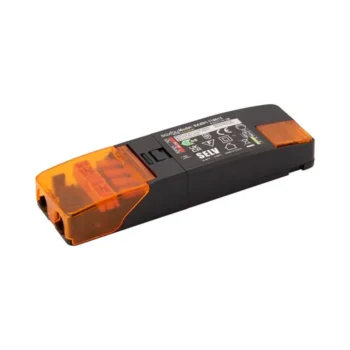
A good example is using a 350mA constant current LED driver such as the ALL LED ADRCC350 driver, which can power several fixtures including the ALL LED Gladius mini spike light.
When designing these systems it is important to consider voltage drop, especially in larger gardens.
Easy Switching with Kinetic Switches
Running switch wiring to outdoor lighting locations can sometimes be difficult.
Kinetic switches provide a convenient wireless solution.
These switches generate a signal when pressed and send it wirelessly to a receiver connected to the lighting circuit. No batteries, no additional wiring and no chasing walls are required.
Receivers are small enough to fit inside junction boxes and pairing usually takes only a few seconds.
Common Mistakes When Wiring Garden Lights
Even experienced installers occasionally encounter problems when wiring garden lights.
Common mistakes include:
• drilling through the back of junction boxes
• using connectors outdoors without waterproof protection
• forgetting about voltage drop in low voltage lighting systems
• using cable glands that are too large for small cables
Avoiding these simple mistakes can greatly improve the reliability of an outdoor lighting installation.
FAQs: Wiring Garden Lights
What cable should be used when wiring garden lights?
SWA cable is commonly used for underground installations because the steel armour provides strong mechanical protection. NYY-J and Hi-Tuff cables can also be used for outdoor environments where armouring is not required.
Are WAGO connectors waterproof?
No. Standard WAGO connectors must be installed inside waterproof junction boxes or gel enclosures when used outdoors.
How can outdoor electrical connections be waterproofed?
Connections can be protected using waterproof connectors, gel boxes or sealing compounds such as Magic Gel.
Is low voltage garden lighting safer?
Yes. Extra low voltage systems reduce the risk of electric shock if cables are accidentally damaged.
Electrical Safety Warning
Outdoor electrical installations must always be carried out safely and in accordance with UK electrical regulations.
This guide is primarily intended for qualified electricians and electrical professionals involved in the installation of garden lighting and other outdoor electrical systems. In the UK, electrical installations must comply with BS 7671 (IET Wiring Regulations) and may fall under Part P of the Building Regulations, depending on the type of work being carried out.
While homeowners or non-electricians may read this information for general understanding, outdoor electrical installation work should always be carried out by a qualified and competent electrician. External electrical systems require proper design and installation, including appropriate RCD protection, earthing, cable protection and weather-resistant equipment suitable for outdoor environments.
Electrical work carried out incorrectly can create serious risks, including electric shock and fire hazards. For safety and regulatory compliance, outdoor electrical installations should always be installed, tested and certified by a qualified electrician.
Share Your Installation Tips
We always enjoy hearing from electricians and installers who work with garden lighting systems.
If you have discovered useful installation tricks
Follow Us for More Electrical Tips and Installations
If you found this guide helpful and want to see more garden lighting installations, electrical tips, and real project examples, follow us on our social media channels:
▶ YouTube – Watch full installation videos, tutorials, and project walkthroughs.
📘 Facebook – Follow us for updates, photos from recent jobs, and useful electrical advice.
📸 Instagram – See behind-the-scenes content, finished installations, and inspiration for outdoor lighting projects.
Follow our channels to stay updated with new content, practical electrical insights, and professional installation examples.






























Wiring Garden Lights: Complete Installation Guide for Outdoor Lighting