


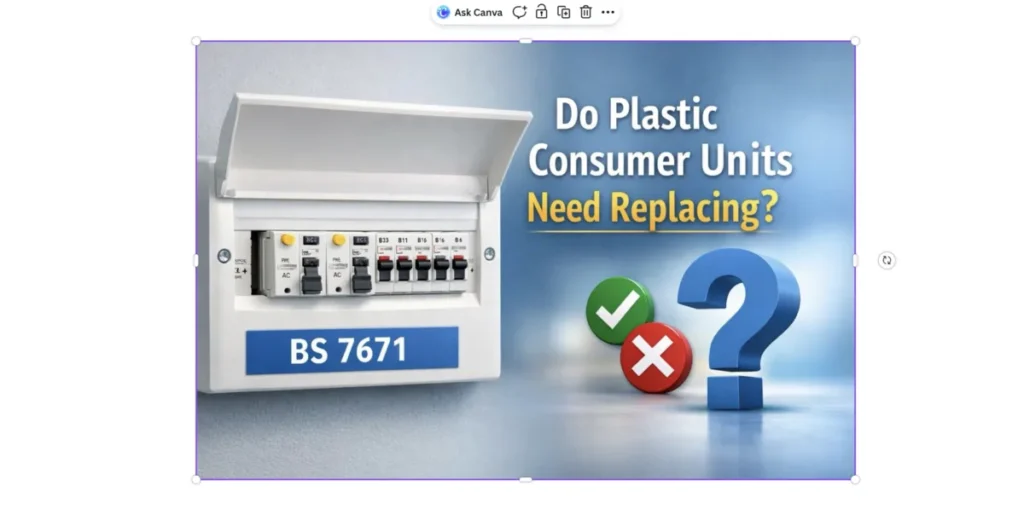
Regulations, History, EICR Codes, Landlord Guidance & the Full Truth
Few questions in domestic electrical safety generate as much confusion, disagreement, and unnecessary cost as this one:
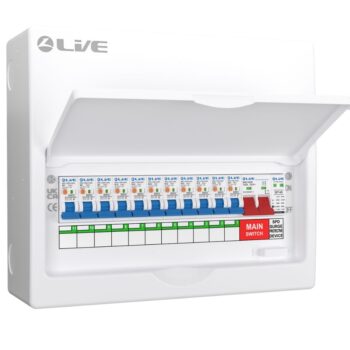
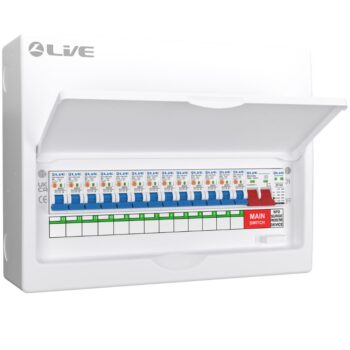
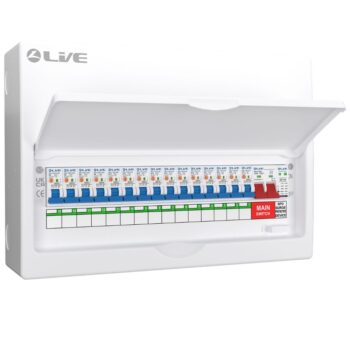
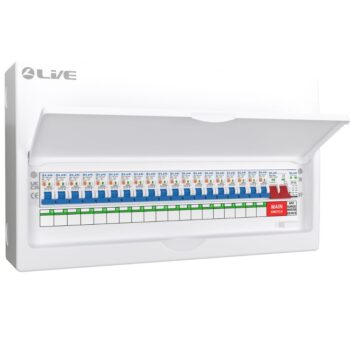
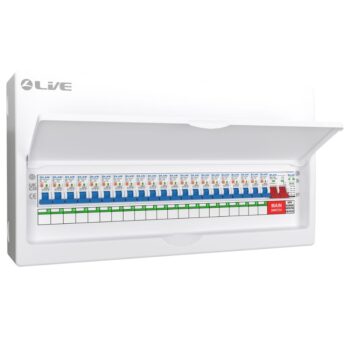
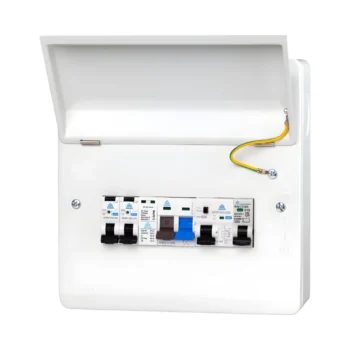
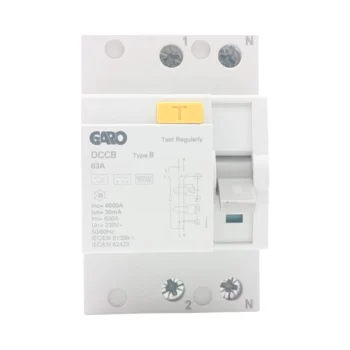
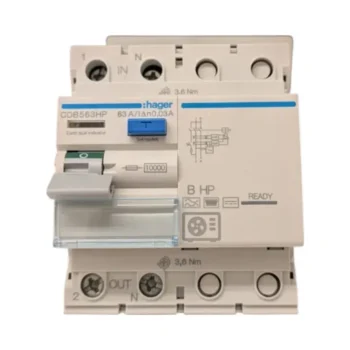
Do plastic consumer units need replacing?
For homeowners, the advice often sounds contradictory.
For landlords, the consequences can feel expensive and urgent.
For electricians, the topic regularly leads to disputes over EICR coding.
Some people are told replacement is mandatory.
Others are advised to “leave it alone.”
Some inspection reports mark plastic consumer units as C2 (Potentially Dangerous) with little explanation.
The truth is far more balanced.
When BS 7671 is applied correctly, when NAPIT Codebreakers and Best Practice Guide 4 are followed, and when installations are assessed on condition and risk rather than age or material, the answer to do plastic consumer units need replacing becomes clear, consistent, and defensible.
This in-depth guide explains do plastic consumer units need replacing using:
- UK electrical history and regulatory context
- Real-world installer experience
- Multiple BS 7671 regulation references
- EICR coding principles
- NAPIT Codebreakers logic
- Practical advice for landlords and homeowners
Do Plastic Consumer Units Need Replacing? – The Short Answer
Let’s be absolutely clear from the outset:
Plastic consumer units do NOT automatically need replacing.
Under BS 7671, whether plastic consumer units need replacing depends on:
- Whether they complied with the regulations at the time of installation
- Their current physical condition
- Evidence of overheating, deterioration, or fire risk
- Their suitability for continued service
The enclosure being plastic, on its own, is never a sufficient reason for replacement.
A Brief History of Consumer Units in the UK
To properly answer do plastic consumer units need replacing, it is essential to understand how domestic electrical installations evolved in the UK.
For many decades, plastic consumer units were the accepted and standard solution in domestic properties.
They were:
- Designed in line with earlier editions of BS 7671
- Installed legally and professionally across millions of homes
- Accepted by insurers, local authorities, and certification bodies
At the time, there was:
- No requirement for metal enclosures
- No regulatory concern about plastic as an enclosure material
- No suggestion that compliant plastic consumer units were unsafe
This context matters. Regulations evolve to improve safety, but that does not mean older compliant installations are suddenly dangerous.
What the Market Was Really Like Before Metal Consumer Units
In the years leading up to 2015, the consumer unit market changed — and not for the better.
Many experienced electricians observed a decline in the quality of some consumer units, particularly at the lower end of the market.
Cheap Plastic Consumer Units Flooded the Market
Common problems included:
- Very thin plastic walls with little rigidity
- Flexible or poorly supported back plates
- Inconsistent moulding tolerances
- Enclosures that distorted when fixed to uneven surfaces
In real installations, this often meant:
- Fixing screws caused twisting or bowing
- Once fully populated with breakers and wiring, the enclosure changed shape
- Lids became difficult to align or secure properly
- Cable tension placed stress on terminals and devices
These issues could lead to:
- Reduced internal clearances
- Increased mechanical stress
- Less predictable heat dissipation
The problem was not plastic itself, but poor enclosure design and cost-cutting.
Why the Introduction of Metal Consumer Units Was the Right Decision
Against this backdrop, the introduction of metal consumer units was entirely justified.
Fire investigations and industry reviews identified that, in certain failure scenarios, faults inside consumer units — such as:
- Loose connections
- Overheating terminals
- Arcing at terminations
could lead to fire spread beyond the enclosure.
In some cases, plastic enclosures contributed to the spread of fire, particularly where the enclosure quality was poor or where the unit was installed in higher-risk locations, such as under stairs.
What Metal Consumer Units Improved
Metal consumer units offered clear advantages:
- Far greater structural rigidity
- Improved resistance to mechanical stress during installation
- Better containment of sparks and heat in fault conditions
- More consistent alignment and enclosure integrity
This change raised minimum manufacturing standards and reduced enclosure-related fire risk in new and replacement installations.
Crucially – This Was NOT an Admission of Widespread Unsafety
Just as importantly, the introduction of metal consumer units was not an admission that existing plastic consumer units were unsafe.
This is demonstrated by:
- The non-retrospective nature of BS 7671
- The limited scope of the regulation introduced
- Subsequent guidance from industry bodies
































Do Plastic Consumer Units Need Replacing?