


Why Safe Termination Matters
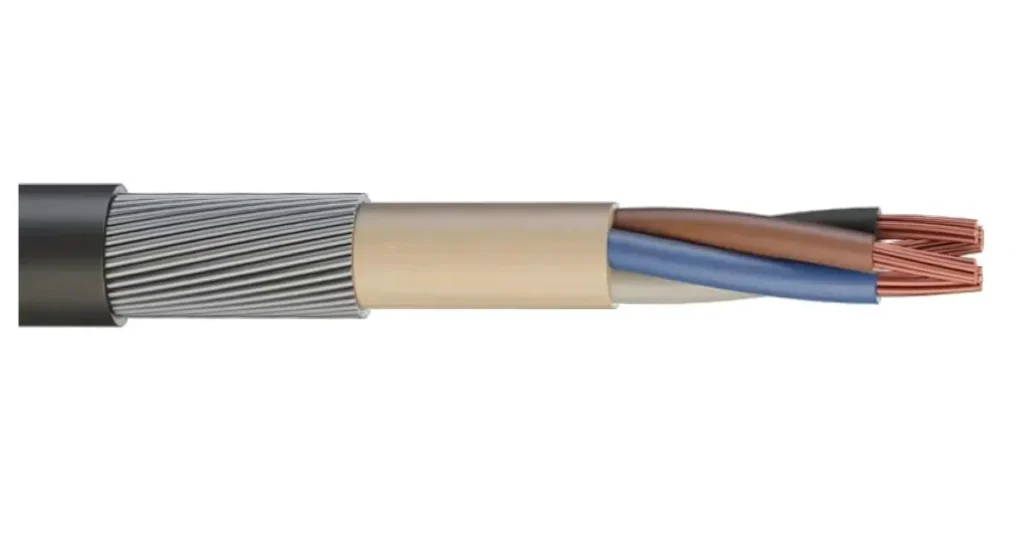
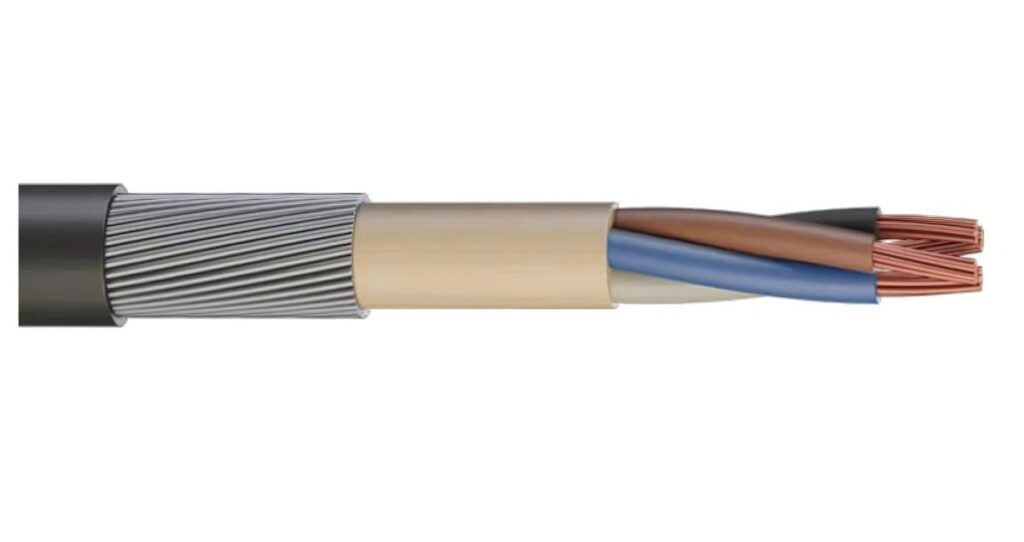
The phrase terminating SWA cable safely covers both safety and compliance. Correctly earthing the armour, sealing entries, and maintaining IP ratings are critical steps under BS 7671*.
What You’ll Need
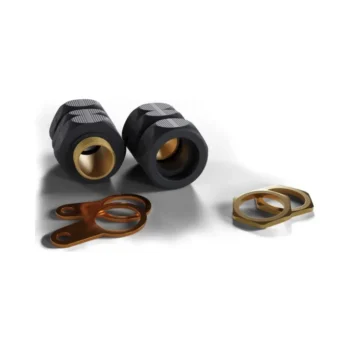
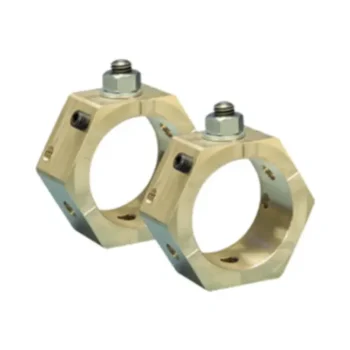
- SWA glands and earthing banjos sized to the cable.
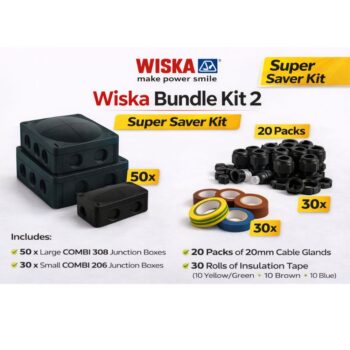
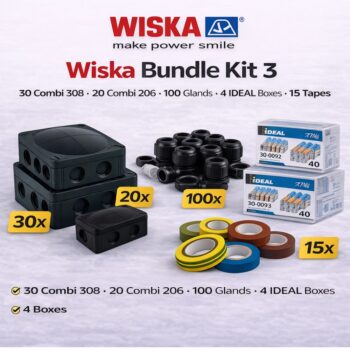
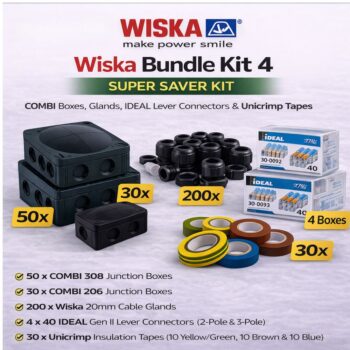
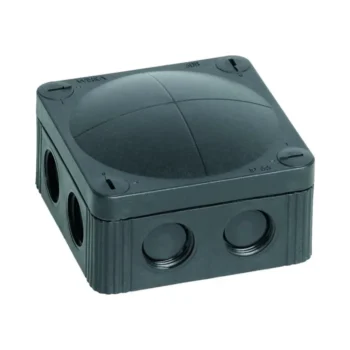
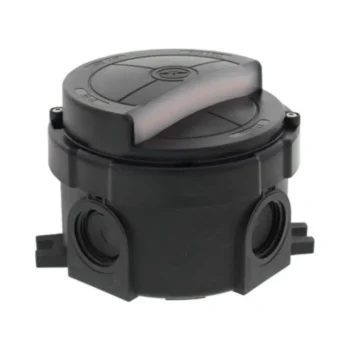
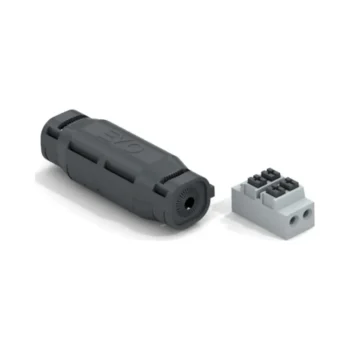
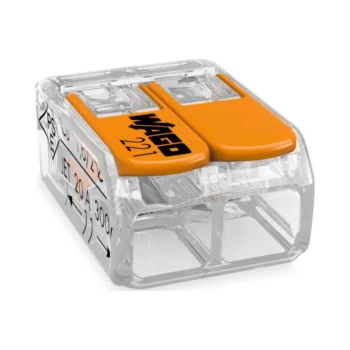
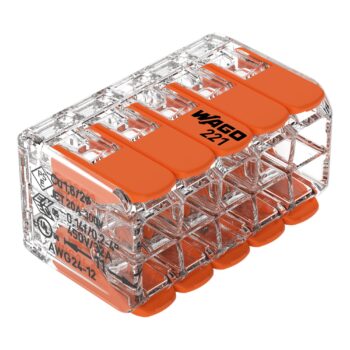
- IP‑rated outdoor Wiska junction boxes with suitable cable entries.
- SWA cable clips to secure the route without damaging the sheath.
Step‑by‑Step: Terminating the Armour
- Prepare the cable: strip outer sheath carefully without nicking the bedding.
- Form the armour into the gland cone; tighten to manufacturer torque.
- Fit the earthing banjo and connect CPC to ensure continuity.
- Seal entries and fit shrouds if required to maintain IP rating.
- Dress the cable and secure with appropriate SWA clips.
Choosing Enclosures – Terminating SWA Cable Safely
For external joints, use robust weatherproof junction boxes. Select sizes that allow bend radius and keep terminals strain‑free. Avoid drilling outside designated entry points.
Common Mistakes to Avoid
- Forgetting the banjo/earth tail, compromising armour continuity.
- Over‑tightening glands and deforming the bedding.
- Ignoring IP ratings or leaving unsealed entries.
Further Reading – Terminating SWA Cable Safely
For cable selection and alternatives, see our armoured cable range and learn when to choose Hi‑Tuff cable or NYY‑J. For flexible non‑armoured applications, read our Hi‑Tuff guide.
FAQs – Terminating SWA Cable Safely
Which glands should I use for SWA?
Choose termination kits that are correctly sized for the cable and the installation environment. Always include banjos or earthing washers to maintain armour continuity.
Do I always need an earth banjo or earth tag?
Yes — an earth banjo or earth tag ensures the steel wire armour is properly bonded to earth. Using one is strongly recommended for safety and to follow best practice under BS 7671.
How can I keep outdoor joints weatherproof?
Use IP-rated enclosures, fit seals correctly, and route cables so joints are not exposed to standing water. This reduces long-term risk of moisture ingress.
What’s the most common mistake when terminating SWA?
Forgetting to earth the armour, over-tightening glands, and leaving unsealed entries are frequent errors. Each can compromise both safety and long-term reliability.



































How to Terminate SWA Cable Safely with Glands and Junction Boxes