

Henley blocks – colour-coded 100A connectors for modern installations have come a long way from the simple grey splitters of the past. Once a purely functional item for splitting meter tails, they’re now safer, neater, and designed for speed, thanks to colour coding, modular layouts, and compatibility with flexible meter tails.
For the full range, see our Henley blocks category or browse via the Henley block tag.
⚙️ What Is a Henley Block — and Why Do We Still Call It That?
The name comes from W.T. Henley & Co., a 19th-century British electrical manufacturer whose connector blocks became the standard way to split incoming mains tails. Over time, “Henley block” became the industry term for this type of connector, even though today’s versions are made by brands like FuseBox, Live Electrical, and WCED (Whitecliffe).
A Henley block lets you split or extend meter tails cleanly, safely, and in compliance with wiring regulations.
⚡ The Modern Henley Block: Smarter, Safer, Colour-Coded
Modern 100A terminal blocks are compact, finger-safe, and colour-coded for fast circuit identification. They’re ideal for:
- Adding a second or third consumer unit
- Installing EV chargers, solar PV, or off-peak supplies
- Creating neat, compliant meter-tail splits
Browse Colour Coded 100A Henley Blocks or see all colour-coded 100A terminal blocks.
Why Manufacturers Moved to Colour Coding (The EV Effect)
The rapid growth of EV charging installations has been a major driver for colour-coded Henley blocks. Multiple meter tails for dual tariffs, load-shedding devices, or dedicated EV consumer units make fast, error-proof identification essential. Colour coding:
- Reduces wiring mistakes in multi-supply setups
- Speeds up inspections and maintenance
- Meets many DNO and meter-operator recommendations for clarity
- Improves safety and compliance when combined with clear labelling and correct sleeving
Colour-Coded Henley Blocks – What Each Colour Means
Modern blocks follow UK wiring regulations for conductor colours, making them intuitive for electricians.
Green – Protective Earth (PE)
Purpose: Safety connection to earth for fault protection.
Notes: Always connected to the main earthing terminal, never used as live.
Pink – Functional Earth (FE)
Purpose: Earth reference for equipment operation (not fault protection).
Uses: SPDs, communication/data systems, EV chargers, renewable energy controllers.
Important: Keep separate from PE, label at both ends, and follow manufacturer sizing guidance.
⚫ Black – Line Conductor, Phase 2 (L2)
Purpose: Second phase in a three-phase system.
Notes: Only used where multiple phases are present.
Brown – Line Conductor, Phase 1 (L1)
Purpose: Standard live conductor in single-phase or first phase in three-phase.
⚪ Grey – Line Conductor, Phase 3 (L3) / Additional Live
Purpose: Third phase in a three-phase supply or additional switched/live conductor.
Notes: Sleeve brown if used as live in single-phase circuits.
Blue – Neutral (N)
Purpose: Return conductor in an AC circuit.
Notes: Use only for neutral unless correctly re-identified.
Best practice: Always match conductor to block colour, keep FE separate from PE, and sleeve appropriately where colour adaptation is required.
Don’t Mix Up “Poles” and “Ways”
A common mistake is calling a 5-way single-pole block a “5-pole” connector.
- Correct: Single-pole with five ways = one conductor type, five connection points (e.g., 3 in, 2 out)
- Incorrect: “5-pole” would mean five different conductors
Single-Pole vs Double-Pole Terminal Blocks
Single-Pole Blocks
- Handle one conductor type (L, N, or E)
- Often 5-way (3 in, 2 out)
- Modular and colour-coded for quick ID
⚡ Double-Pole Blocks
- Contain two isolated poles (e.g., Live and Neutral) in one enclosure
- Save space and improve isolation in compact installs
Use Flexible Meter Tails for a Better Install
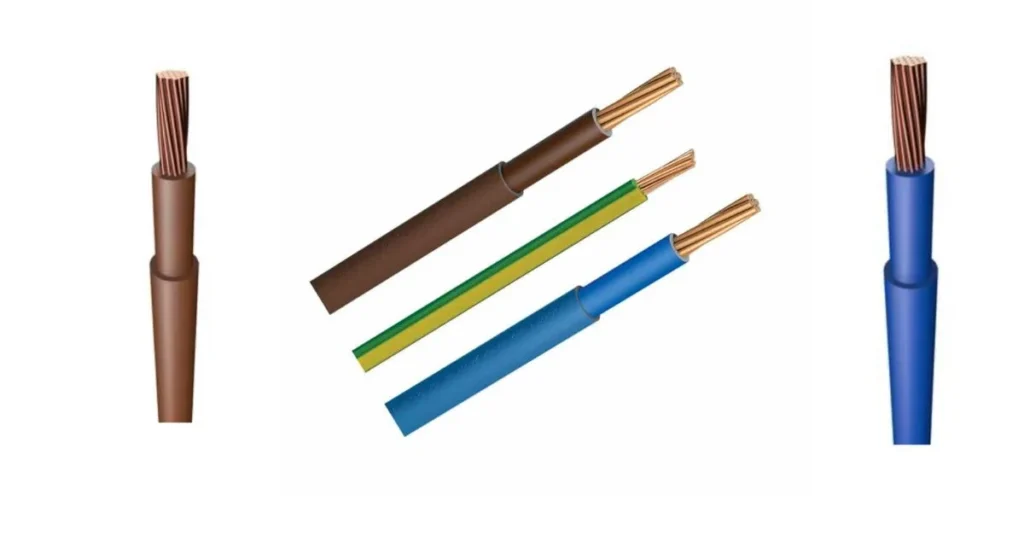
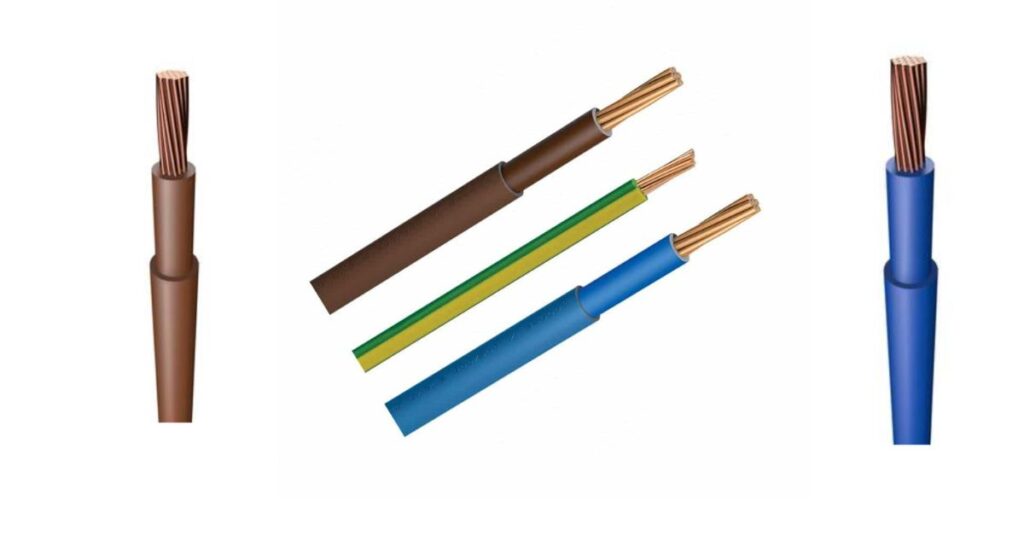
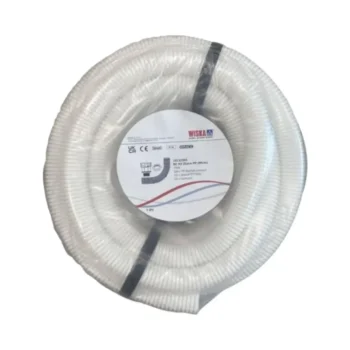
Pair colour-coded Henley blocks with flexi meter tails for easier routing, neater terminations, and reduced cable strain.
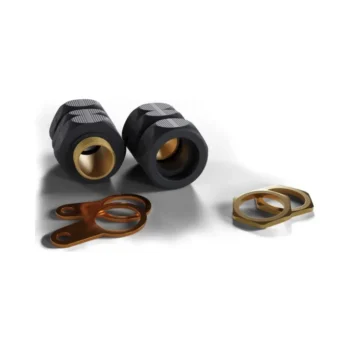
We stock a full meter tails range plus meter tails glands for safe, compliant entries.
These products are also part of our Consumer Unit Essentials range.
Quick Links – Shop by Category & Tag
Brand & Variant Tags:
- FuseBox 100A Terminal Blocks
- FuseBox TB5 100A Terminal Blocks
- Garo 100A Terminal Blocks
- WCED 100A Terminal Blocks
- Whitecliffe (WCED) 100A Terminal Blocks
- Live Electrical 100A Terminal Blocks
❓ Frequently Asked Questions
Final Thoughts
From Victorian-era factory floors to today’s EV-ready homes, Henley blocks – colour-coded 100A connectors for modern installations remain a cornerstone of UK electrical work.
They’re now smarter, safer, and faster to work with – especially when combined with flexible meter tails, correct glands, and a clear colour-coding system that eliminates guesswork.






























Henley Blocks Reimagined: From Industrial Roots to Colour-Coded 100A Connectors