


⚠️ Mixing Brands in Consumer Units: A Risky Shortcut
Modifying consumer units might seem harmless when you’re just trying to make things fit — but it’s a shortcut that can lead to serious risks. From mixing brands to bending busbars, these quick fixes often result in overheating, loose connections, or worse — a fire. And once you’ve changed it, the responsibility is all yours.
Mixing brands in consumer units can cause:
- Loose busbar contact
- Overheating terminals
- Failed disconnection under fault
- Or worse — a fire
Many unsafe installations start with modifying consumer units by mixing incompatible breakers and devices from different brands.
Consumer Unit Busbar Compatibility: Looks Can Be Deceiving
Even though most devices fit on the same DIN rail, not all devices are made the same.
Every brand has slight changes in:
- Terminal size
- Busbar slot width
- Depth and clip tension
Just because it clicks doesn’t mean it’s safe.
What Happens When You Bend the Busbar?
Installers sometimes force things to work. A popular trick? Bending or cutting the busbar to reach terminals on an incompatible device.
But this creates:
- Uneven contact
- Hot spots
- Arcing
- Long-term failure
That’s why safe consumer unit installation always means: use matched parts, properly connected.
What the Regulations Say About Altering Consumer Units
BS 7671 Regulation 134.1.1 says:
Modifying a busbar or mixing components voids compliance. The moment you change the setup, you take responsibility — not the manufacturer.
Can You Test a Modified Consumer Unit Yourself?
No.
Manufacturers test:
- Heat rise
- Contact pressure
- Fault endurance
- Mechanical wear
Can you test that on site? Definitely not.
If you modify the internal components of a consumer unit — like altering the busbar or installing mismatched devices — you become fully liable for the safety and compliance of that setup.
⚙️ Safe Consumer Unit Installation: Follow the Manufacturer
Best practices for installers:
- ✅ Avoid modifying consumer units — if a component doesn’t fit, it’s not meant to
- ✅ Use devices made for that board
- ✅ Follow spacing, layout, and busbar instructions
- ✅ Don’t alter the enclosure, terminals, or busbar
- ✅ Label any non-standard additions clearly
And for customers:
- ✅ Always hire a qualified, competent electrician — ask for registration with bodies like NICEIC or NAPIT to make sure the installation is done properly and signed off.
What About Timers, Contactors & DIN-Mounted Add-Ons?
Some devices don’t connect to the busbar (like timers or contactors). If they just sit on the rail and don’t interfere, they might be fine.
But always check:
- Does the CU maker allow extra DIN gear?
- Is it safe for airflow and spacing?
- Are you following BS 7671?
If in doubt: don’t install it — or call the manufacturer.
Non-Compliant Consumer Unit Wiring: Real Risks, Real Fires
We’ve seen:
- Melted busbars
- Burnt terminals
- Failed RCBOs
- Dangerous EICRs from “adapted” boards
Even when the system seems to work, failure can come later — and it’s the installer’s name on the certificate.
Shop Compliant Boards & Gear
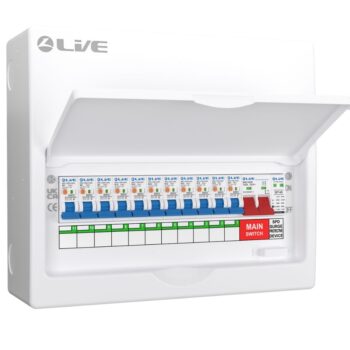
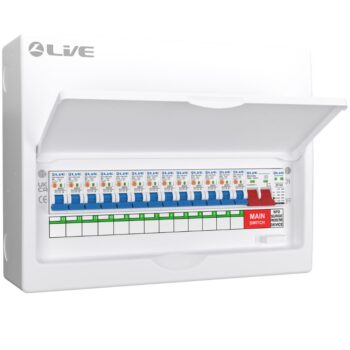
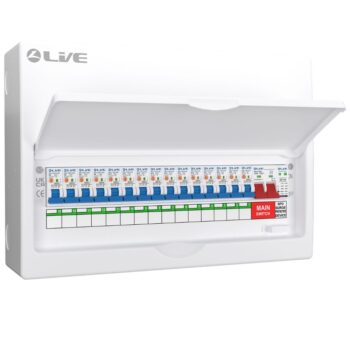
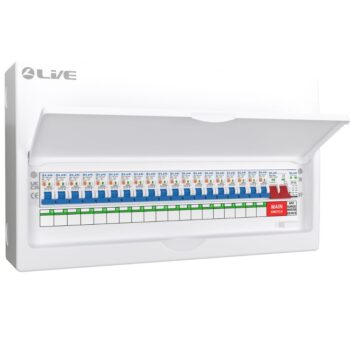
We stock only fully compatible kits — so you won’t need to risk modifying consumer units on site. Looking for fully compliant kits? Browse our full range of Consumer Units — tested, trusted, and regulation-ready.
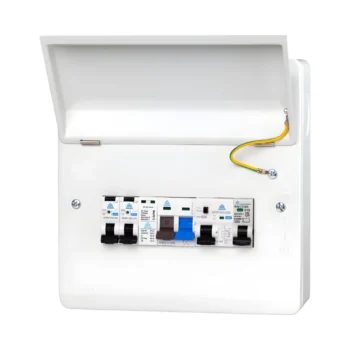
- FuseBox Consumer Units
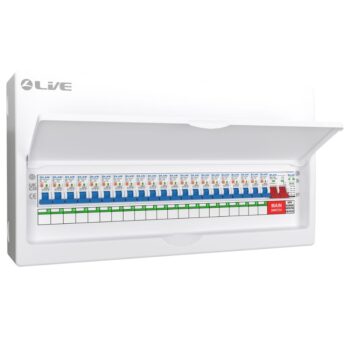
- Live Electrical Consumer Units
- Niglon Consumer Unit
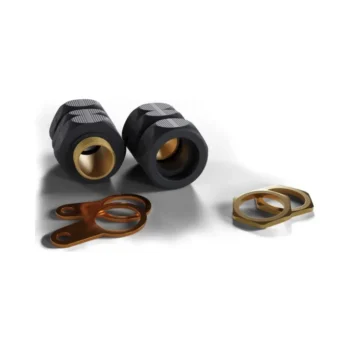
- Meter Tail Glands
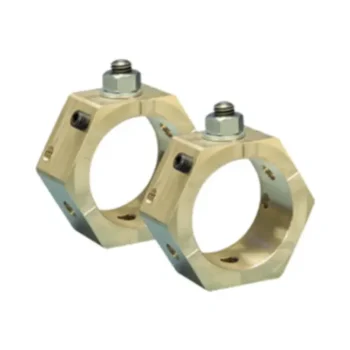
- Henley Blocks (100A Terminal Blocks)
❓ FAQs – Modifying Consumer Units
Join the Conversation – Modifying Consumer Units
Have you seen a dodgy install? Share it.
Have questions about brand compatibility? Ask below.
Want to show off a tidy, safe consumer unit installation? Tag us!



























Modifying Consumer Units: Why “It Fits” Can Still Fail