


The Ultimate Guide to Choosing the Right Protection for Your Home
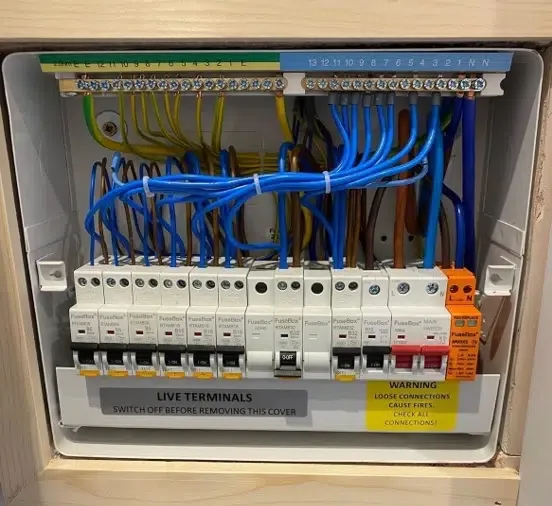
When it comes to safeguarding your home’s electrical system, buying a consumer unit is one of the most critical decisions you’ll make. The consumer unit, commonly referred to as the fuse box or distribution board, plays a key role in maintaining the electrical safety of your property. If you’re upgrading your electrical system or building a new home, selecting the right consumer unit ensures that your circuits remain protected from overloading, short circuits, and potential fire hazards.
While most people might be familiar with the basic functionality of a consumer unit, the ever-evolving landscape of electrical technology—like RCBO consumer units, SPD (Surge Protection Devices), and even EV charger consumer units—means that there’s much more to consider. We will explore everything from the different types of consumer units to new innovations in this comprehensive guide, ensuring you make an informed, future-proof decision.
What is a Consumer Unit?
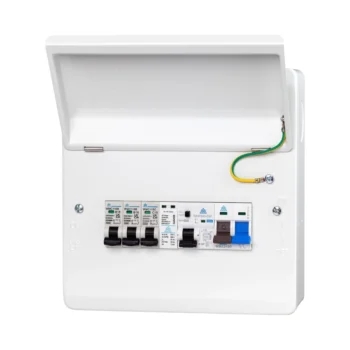
A consumer unit is essentially the electrical distribution board for your home. It’s where the electricity from the mains is divided up to different circuits—each circuit serving a different area or set of appliances in your home. But it’s not just about distributing electricity; the consumer unit provides protection in case of electrical faults, such as short circuits, overloads, or earth faults.
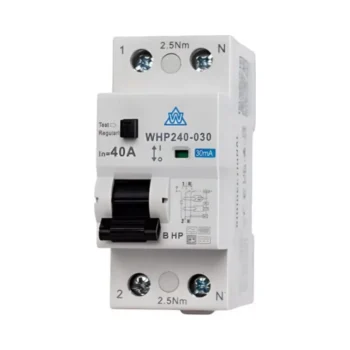
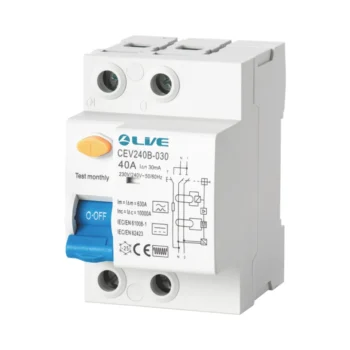
If a fault occurs, the circuit breakers or RCDs (Residual Current Devices) within the consumer unit trip, cutting off the power to that circuit and preventing damage to your home or your appliances. A properly functioning consumer unit can mean the difference between a small inconvenience and a major fire hazard.
The importance of selecting the right consumer unit can’t be overstated, especially when upgrading older electrical systems or planning for future technology requirements. With modern homes increasingly incorporating renewable energy systems, electric vehicle (EV) chargers, and smart home devices, the demand for specialized and more advanced consumer units has grown.

Why You Need to Buy the Right Consumer Unit
At first glance, all consumer units might seem similar: they protect your electrical circuits, shut down if a fault occurs, and can be reset when the issue is resolved. But not all consumer units are created equal. Picking the wrong type can lead to nuisance tripping, inefficient energy use, or even non-compliance with safety regulations. Let’s look at the main reasons why choosing the right consumer unit matters.
1. Safety
The primary role of a consumer unit is to keep your home safe from electrical hazards. A poorly chosen or outdated consumer unit may not provide adequate protection against electric shocks, electrical fires, or other risks. Upgrading to modern units, like RCBO consumer units, ensures more granular circuit protection, minimizing the risk of widespread outages or serious incidents.
2. Compliance with Electrical Regulations
In the UK, all consumer units installed since 2016 must comply with BS 7671 regulations, which require the unit to be made of non-combustible material. With frequent updates to the regulations, including the increasing use of AFDDs (Arc Fault Detection Devices), it’s essential to choose a consumer unit that not only meets today’s standards but is also likely to comply with future regulatory changes.
3. Nuisance Tripping Reduction
Have you ever been in the middle of watching your favorite TV show, only to have all the power suddenly go off because of a small fault? This is called nuisance tripping, and it’s one of the most frustrating aspects of any electrical system. Traditional consumer units, which use RCDs to protect groups of circuits, can trip if there’s a minor fault on one circuit, leaving the entire system offline.
More modern systems, such as RCBO consumer units, isolate each circuit. So, if there’s a problem with your kitchen appliances, for example, your lights won’t be affected. Reducing nuisance tripping means less downtime, fewer frustrations, and better overall system reliability.
4. Future-Proofing for New Technologies
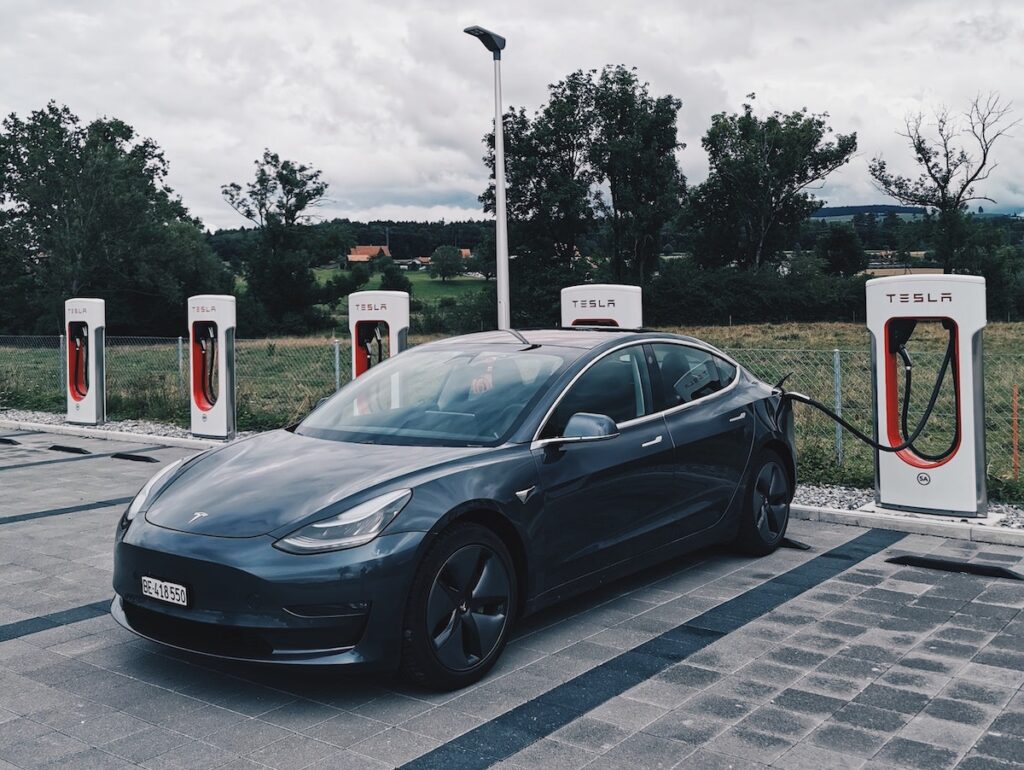
As technology advances, so do the demands on your home’s electrical system. If you’re considering installing an EV charger, integrating solar panels, or adding more smart home devices, your consumer unit needs to be able to handle the increased load. Opting for a future-proof solution, such as a dual tariff consumer unit or one designed specifically for EV charging, will save you money and effort down the road.
Types of Consumer Units: What’s Available?
There’s a wide range of consumer units on the market, each offering different features, protection levels, and capacities. Let’s break down the most common types of consumer units, their features, and who they are best suited for.
1. Dual RCD Consumer Unit
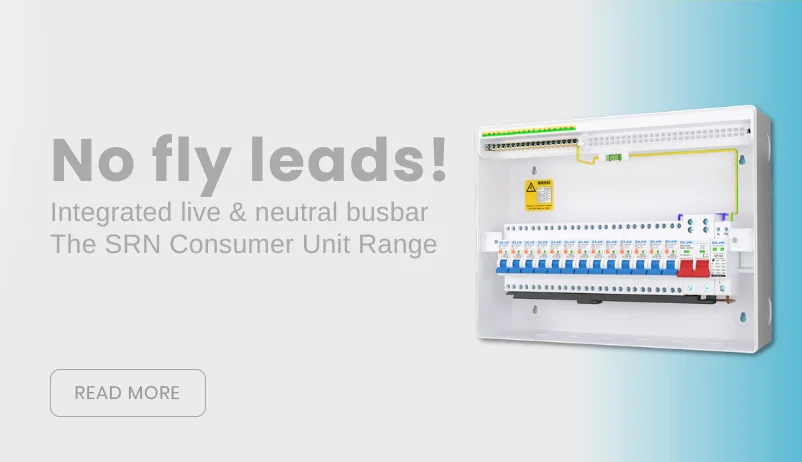
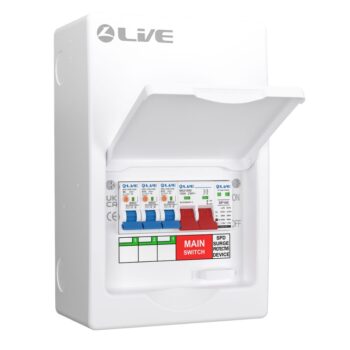
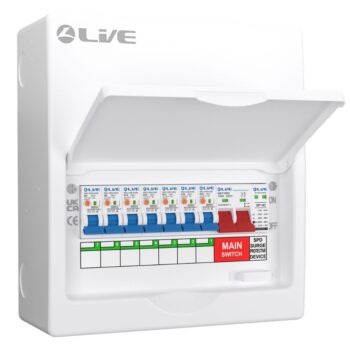
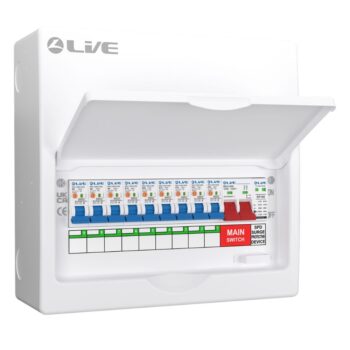
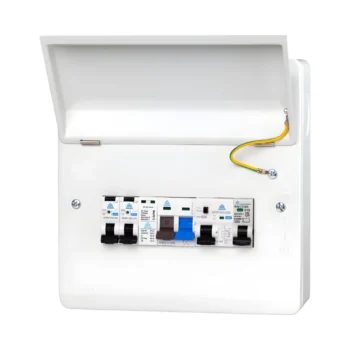
A dual RCD consumer unit is one of the most common choices in modern homes. As the name suggests, it comes equipped with two RCDs (Residual Current Devices), dividing the circuits into two groups. If a fault occurs in one group, only that section of the house loses power, leaving the other group unaffected. This setup is popular because it provides a good balance of protection and cost-effectiveness.
However, because multiple circuits are grouped under one RCD, there is still the risk of nuisance tripping—if one circuit trips, the whole group is shut off. Dual RCD units work well for most homes but might not be ideal for high-demand areas or future-proofing.
Ideal For:
- Small to medium-sized homes.
- Homeowners looking for an affordable and compliant solution.
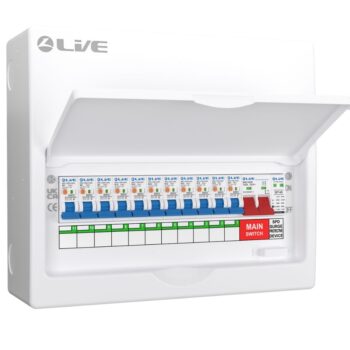
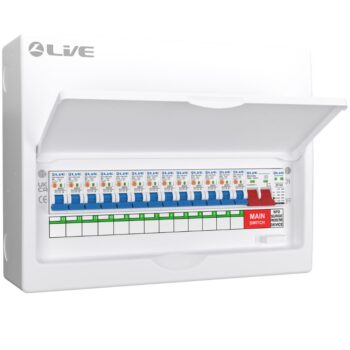
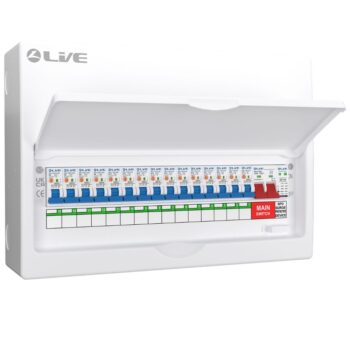
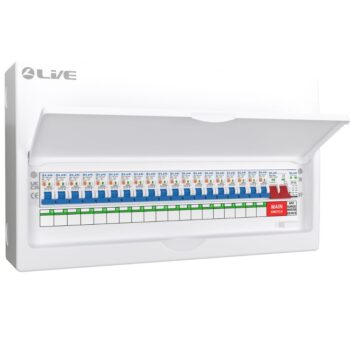
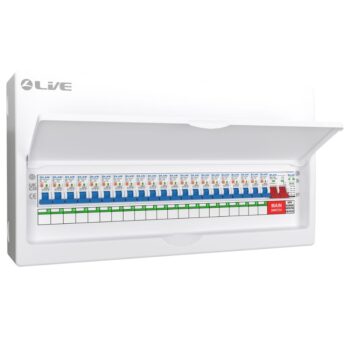
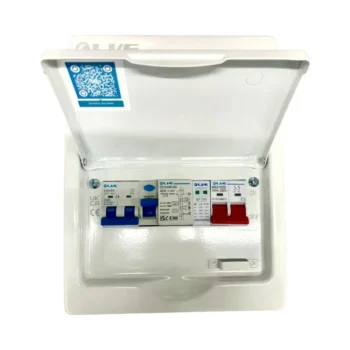
Brands to Consider: Hager, FuseBox, and Live Electrical offer high-quality dual RCD consumer units.
2. RCBO Consumer Unit
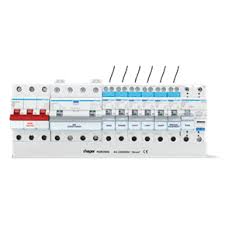
An RCBO consumer unit provides enhanced protection by incorporating RCBOs (Residual Current Breaker with Overload protection) on individual circuits. This means that each circuit is isolated, so if one trips, only that specific circuit is affected, and the rest of the house remains powered.
RCBO consumer units offer maximum protection against both electrical faults and nuisance tripping. Because each circuit is isolated, the chance of multiple circuits being knocked offline due to a minor fault is drastically reduced.
Ideal For:
- Larger homes with multiple high-demand circuits.
- Homeowners who want advanced protection and flexibility.
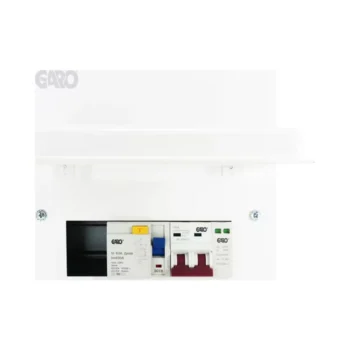
Brands to Consider: Look for RCBO consumer units from Hager and FuseBox and Live Electrical
Important Features to Consider When Buying a Consumer Unit
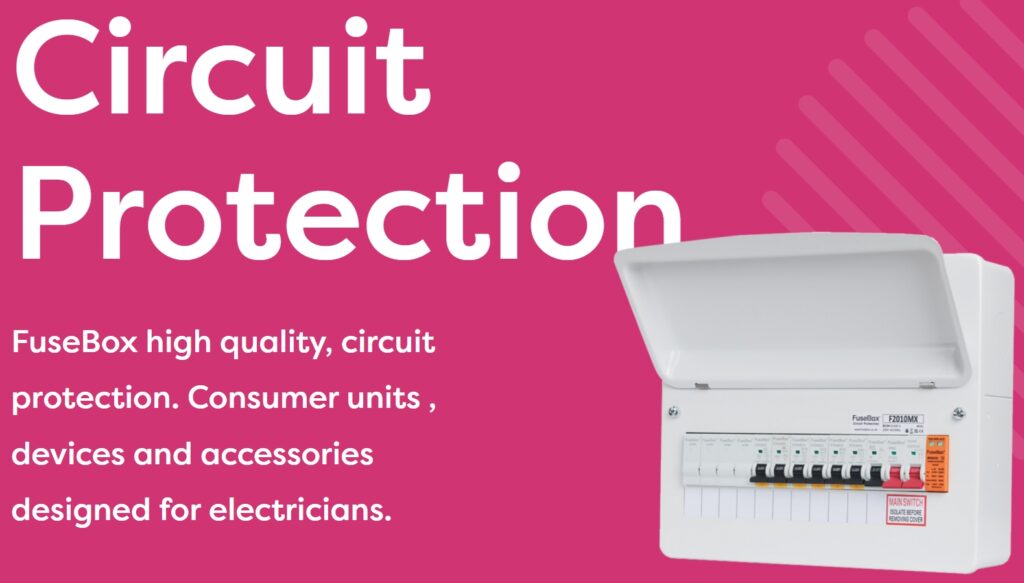
Beyond choosing between dual RCD and RCBO consumer units, there are other important features to consider when selecting the best consumer unit for your home. These features can make a significant difference in both day-to-day operation and long-term performance.
1. Surge Protection Devices (SPD)
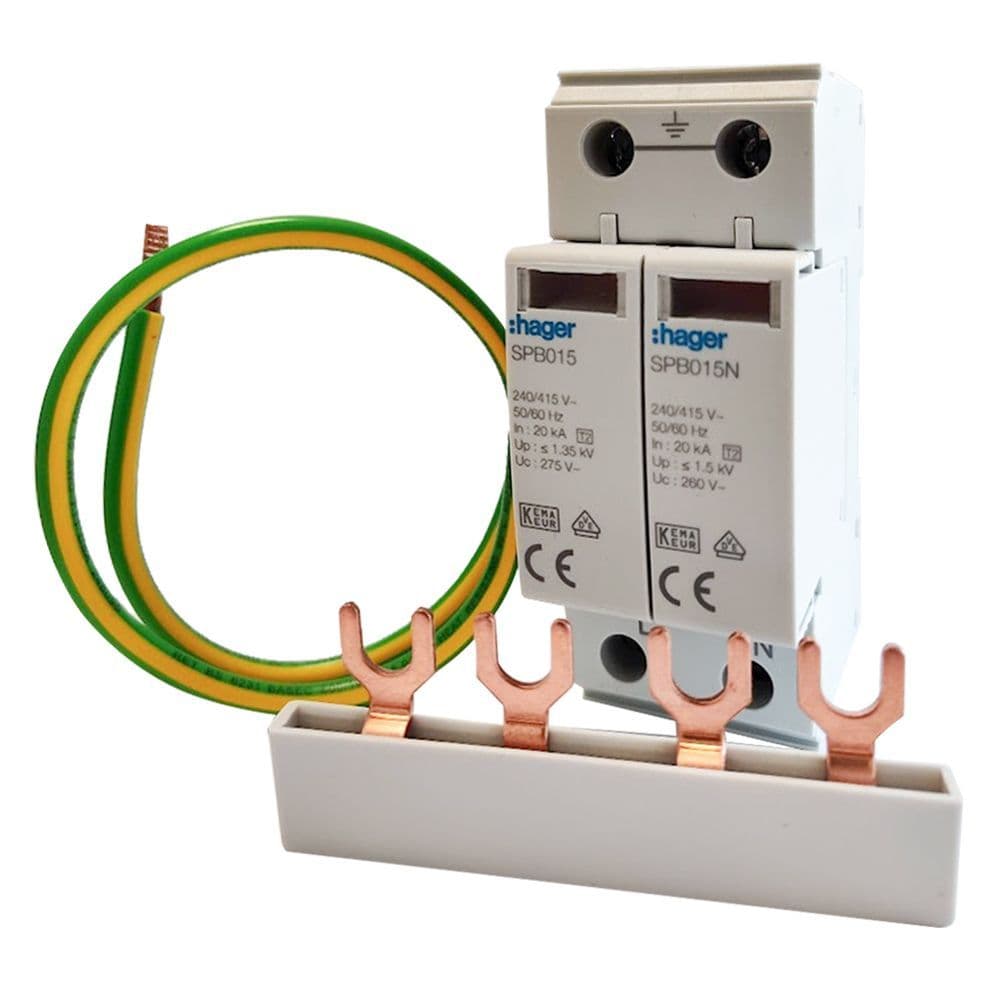
As homes become increasingly reliant on electronics, the risk of voltage spikes damaging sensitive devices grows. Voltage surges can come from a variety of sources, including lightning strikes or grid fluctuations, and can seriously harm appliances, computers, and even your home’s wiring.
A Surge Protection Device (SPD) installed within your consumer unit helps mitigate these risks by diverting excess voltage away from your circuits. Many new consumer units either come equipped with SPDs or offer easy installation options.
When You Need It:
- Homes with expensive or sensitive electronics.
- Areas prone to lightning or power fluctuations.
2. Arc Fault Detection Devices (AFDD)
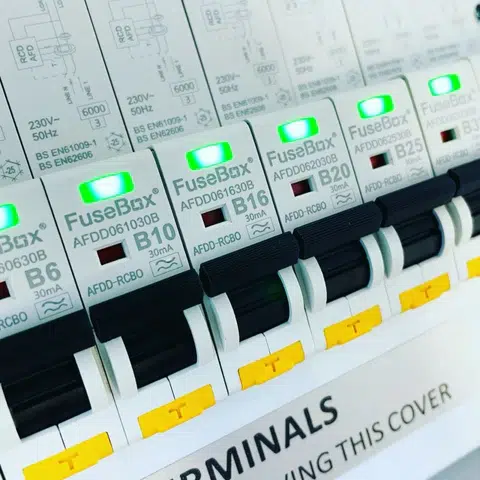
Electrical arcing—where electricity jumps between broken or corroded wires—is one of the leading causes of electrical fires. AFDDs (Arc Fault Detection Devices) are designed to detect these small arcs before they turn into major hazards, automatically shutting down the affected circuit.
AFDDs are still relatively new but are quickly gaining popularity, and future regulations may require their inclusion in all new installations. Including an AFDD in your consumer unit can significantly increase the overall safety of your home.
When You Need It:
- Homes with older wiring or areas prone to electrical arcing.
- Anyone looking to future-proof their installation.
Specialized Consumer Units for Unique Needs
Not all homes have the same electrical demands. As energy technology evolves, more and more homeowners require consumer units that cater to specific systems and setups. Let’s take a look at some of the specialized consumer units on the market.
1. EV Charger Consumer Unit
With electric vehicles (EVs) rapidly becoming more common, the demand for EV charger consumer units has increased. These units are designed to handle the high loads associated with charging EVs while protecting the rest of your home from overloading.
When installing an EV charger, it’s essential to ensure that the consumer unit has the capacity and features needed to manage the extra demand safely. Opting for an EV charger consumer unit ensures that the system is designed specifically for this purpose, making it safer and more efficient.
When You Need It:
- Homeowners with electric vehicles or planning to install an EV charger.






























Buying a Consumer Unit