

Table of contents
⚙️ What Is a Henley Block — and Why Do We Still Call It That?
The term “Henley block 100A connector” is common among UK electricians. It refers to a connector used to split or extend incoming mains tails. But the name has an interesting history. It comes from W.T. Henley & Co., a British electrical company from the 1800s. They created some of the first electrical connector blocks used in buildings.
Over time, their name became widely used to describe this type of block. Even today, people still say “Henley block,” even when referring to modern versions made by other brands.
⚡ The Modern Henley Block 100A Connector: Smarter, Safer, Colour-Coded
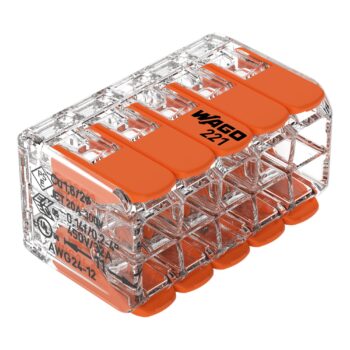
Modern terminal blocks do much more than the old grey versions. Brands like FuseBox, Live Electrical, and Whitcliffe WCED now make blocks that are colour-coded, modular, and easy to install. These are built to meet today’s wiring regulations and safety standards.
When to Use a Modern Henley Block
These 100A blocks are used in a range of setups, such as:
- Adding a second or third consumer unit
- Wiring in EV chargers, solar systems, or off-peak supplies
- Creating neat and compliant meter tail splits
What the Colours of 100A Henley Blocks Mean
Each colour shows a different purpose. This helps reduce mistakes and saves time when identifying cables:
| Colour | Used For |
|---|---|
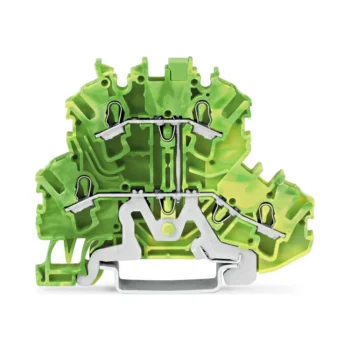
| Green | Earthing and bonding |
| Pink | Functional earth (FE) |
| ⚫ Black | L2 – Phase 2 |
| Brown | Live conductor (L1) |
| ⚪ Grey | Phase 3 (L3) or additional live |
| Blue | Neutral |
These blocks are often used alongside flexible meter tails for better results in tight spaces.
Don’t Mix Up Poles and Ways using Henley Blocks
This is a very common mistake: calling a 5-way single-pole block a “5-pole connector.” That’s incorrect.
- ✅ Correct: It’s a single-pole block with five connection points (3 in, 2 out).
- ❌ Incorrect: “5-pole” means five separate conductors, which it isn’t.
So, when talking about connection points, say “ways.” Use “poles” only when you mean different types of conductors like live and neutral. This helps avoid confusion and misorders.
Types of 100A Terminal Blocks: Single Pole vs. Double Pole Connectors
Single Pole Blocks
- One type of conductor (L, N, or E)
- Five terminals (3 one side, 2 the other)
- Modular and often colour-coded
- Used to split one type of tail to multiple points
⚡ Double Pole Blocks
- Two separate poles (e.g. live and neutral)
- Several terminals per pole
- Used when both poles need to be split in the same enclosure
- Saves space and ensures safer isolation
Use Flexi Meter Tails for a Better Install of 100A Terminal Blocks
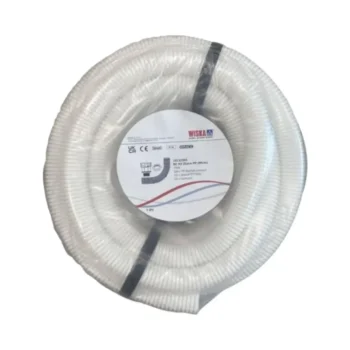
Modern Henley-style blocks work best with flexible meter tails. These cables bend easily, making installation quicker and cleaner.
Why choose flexi tails?
- Easier to route through tight spaces
- Neater finish in consumer units
- Less stress on connections
- Help meet cable bend radius regulations
Flexible tails are ideal when working with colour-coded terminal blocks, dual-tariff boards, or compact enclosures.
️ Helpful Tags, Links, and Categories
Tagged Content:
- FuseBox TB5 100A Terminal Blocks
- Live Electrical 100A Connector Blocks
- WCED 100A Connector Blocks
- Flexible Meter Tails – Soft-Strand
Products to Explore:
- Live Electrical TB5P100-GREEN Green Terminal Block
- TB5PK – Pink Functional Earth Block
- ⚪ WCED Single Pole 100A Terminal Block – Blue
Final Thoughts – Henley Block 100A Connector:
From factory floors in the 1800s to the smart homes of today, the Henley block 100A connector has stood the test of time. It’s now safer, more organised, and easier to use thanks to colour coding and flexible wiring.
Whether you’re adding an extra board, installing a charger, or upgrading a dated setup, the modern Henley block is still your go-to tool — just improved for today’s world.
❓ Frequently Asked Questions (FAQs)
Sources:
- W.T. Henley Heritage
- Technique Learning: Henley Block Isolation
- Product data from FuseBox, Live Electrical, Whitcliffe WCED
Follow Us for Tips, Demos & Updates
Stay connected for the latest in electrical gear, install advice, and product drops.































Henley Blocks Reimagined: From Industrial Roots to Colour-Coded 100A Connectors