VAT:

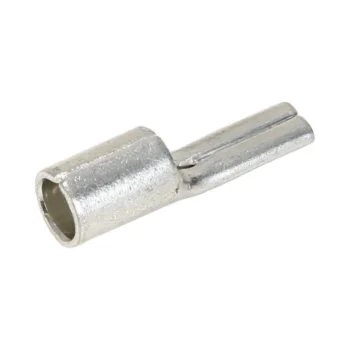
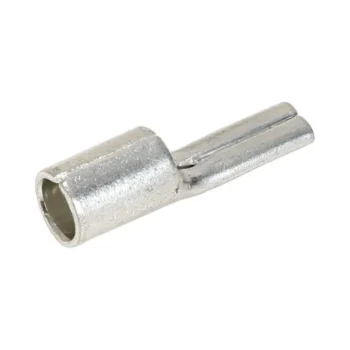
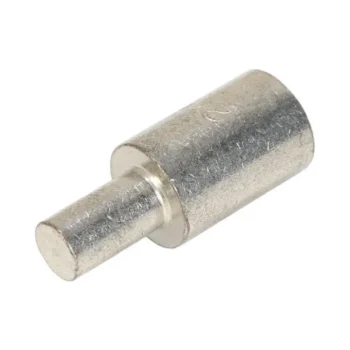
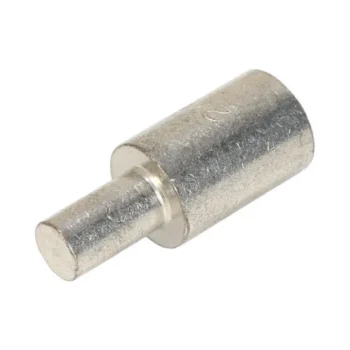
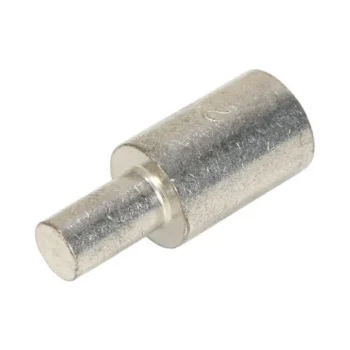
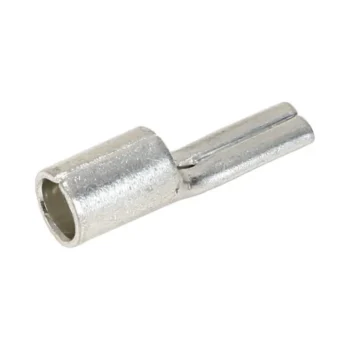
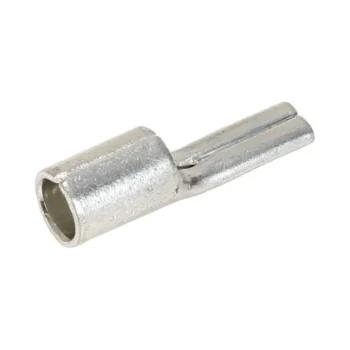
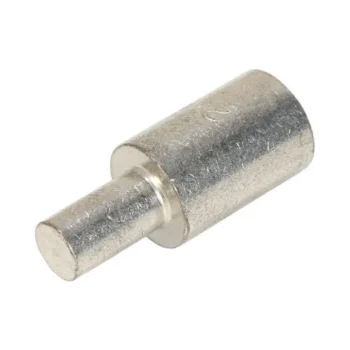
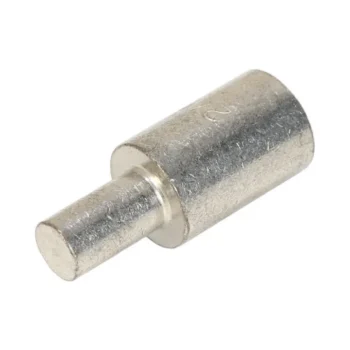
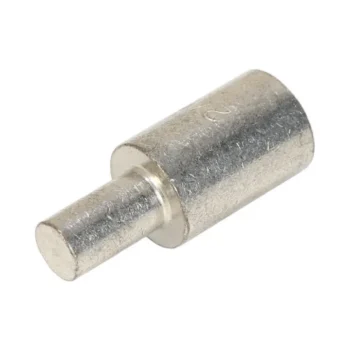
Uninsulated Reducing Pins

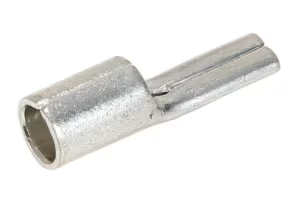
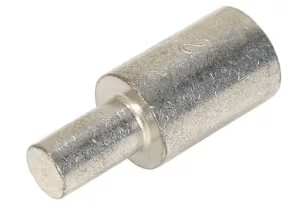
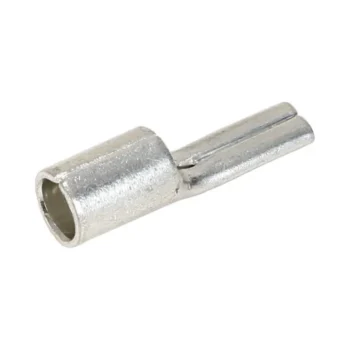
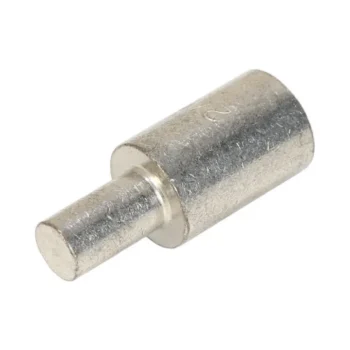
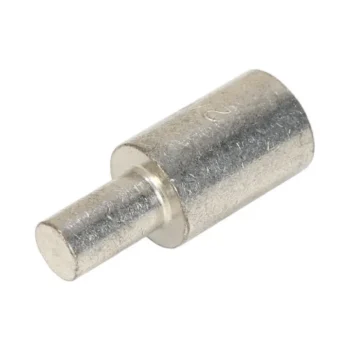
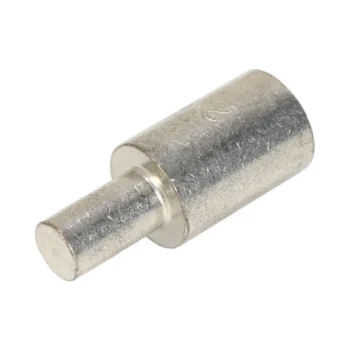
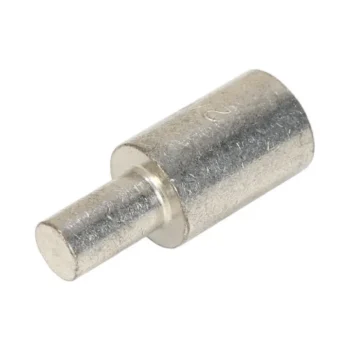
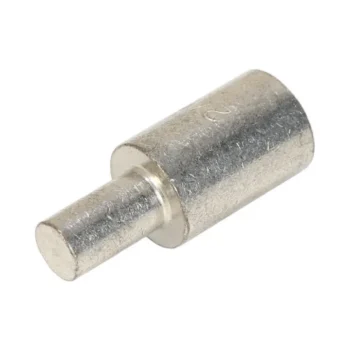
Find top-quality Uninsulated Reducing Pins at Electrical4Less. These pins are perfect for creating reliable connections between different wire sizes. They provide a secure and efficient solution for your electrical projects.

Showing all 20 results

Flat Copper 10mm Reducing Pin – Pack of 1

12 In Stock
More available within:
Usually 1 - 3 Working Days
Read More
SKU: FRP10
£1.25

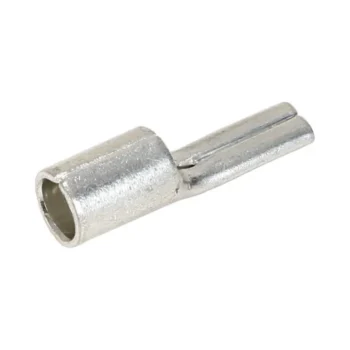
Flat Copper 16mm Reducing Pin – Pack of 1

10 In Stock
More available within:
Usually 1 - 3 Working Days
Read More
SKU: FRP16
£1.50

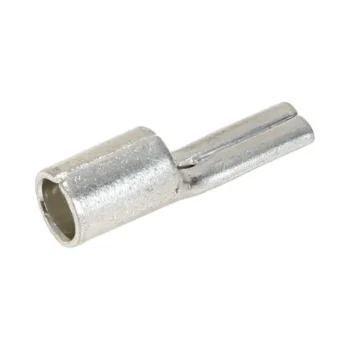
Flat Copper 25mm Reducing Pin – Pack of 1

8 In Stock
More available within:
Usually 1 - 3 Working Days
Read More
SKU: FRP25
£1.75

Flat Copper 35mm Reducing Pin – Pack of 1

2 In Stock
More available within:
Usually 1 - 3 Working Days
Read More
SKU: FRP35
£1.85

Flat Copper 50mm Reducing Pin – Pack of 1

Available to Order
Estimated Lead Time:
Usually 1 - 3 Working Days
Read More
SKU: FRP50
£2.50

Flat Copper 70mm Reducing Pin – Pack of 1

Available to Order
Estimated Lead Time:
Usually 1 - 3 Working Days
Read More
SKU: FRP70
£7.50

Flat Copper 95mm Reducing Pin – Pack of 1

Available to Order
Estimated Lead Time:
Usually 1 - 3 Working Days
Read More
SKU: FRP95
£12.50

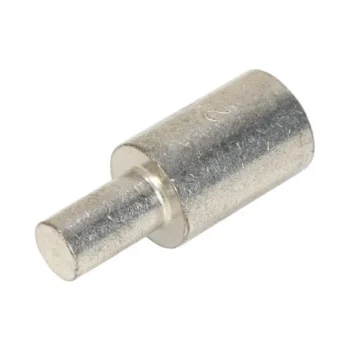
Uninsulated 10mm Copper Reducing Pin – Pack of 1

49 In Stock
More available within:
Usually 1 - 3 Working Days
Read More
SKU: CRP10
£2.50

Uninsulated 16mm Copper Reducing Pin – Pack of 1

25 In Stock
More available within:
Usually 1 - 3 Working Days
Read More
SKU: CRP16
£2.65

Uninsulated 25mm Copper Reducing Pin – Pack of 1

17 In Stock
More available within:
Usually 1 - 3 Working Days
Read More
SKU: CRP25
£3.50

Uninsulated 35mm Copper Reducing Pin – Pack of 1

4 In Stock
More available within:
Usually 1 - 3 Working Days
Read More
SKU: CRP35
£3.65

Uninsulated 50mm Copper Reducing Pin – Pack of 1

Available to Order
Estimated Lead Time:
Usually 1 - 3 Working Days
Read More
SKU: CRP50
£5.50

Uninsulated 70mm Copper Reducing Pin – Pack of 1

Available to Order
Estimated Lead Time:
Usually 1 - 3 Working Days
Read More
SKU: CRP70
£5.85

Uninsulated 95mm Copper Reducing Pin – Pack of 1

Available to Order
Estimated Lead Time:
Usually 1 - 3 Working Days
Read More
SKU: CRP95
£9.95

Uninsulated 120mm Copper Reducing Pin – Pack of 1

Available to Order
Estimated Lead Time:
Usually 1 - 3 Working Days
Read More
SKU: CRP120
£9.50

Uninsulated 150mm Copper Reducing Pin – Pack of 1

Available to Order
Estimated Lead Time:
Usually 1 - 3 Working Days
Read More
SKU: CRP150
£11.50

Uninsulated 185mm Copper Reducing Pin – Pack of 1

Available to Order
Estimated Lead Time:
Usually 1 - 3 Working Days
Read More
SKU: CRP185
£12.50

Uninsulated 240mm Copper Reducing Pin – Pack of 1

Available to Order
Estimated Lead Time:
Usually 1 - 3 Working Days
Read More
SKU: CRP240
£13.50

Uninsulated 300mm Copper Reducing Pin – Pack of 1

Available to Order
Estimated Lead Time:
Usually 1 - 3 Working Days
Read More
SKU: CRP300
£14.95

Uninsulated 400mm Copper Reducing Pin – Pack of 1

Available to Order
Estimated Lead Time:
Usually 1 - 3 Working Days
Read More
SKU: CRP400
£25.55

Showing all 20 results

Uninsulated reducing pins, also known as uninsulated reducing connectors, are electrical components used in electrical installations to connect conductors or cables of different sizes or diameters. These pins are typically made of metal, such as copper or aluminum, and they serve the purpose of joining two conductors with unequal cross-sectional areas, ensuring a secure electrical connection. Uninsulated reducing pins are not covered with insulating material, so they should be used in applications where no electrical insulation is required between the connected conductors.

In the context of BS 7671 (the 18th Edition of the Wiring Regulations), uninsulated reducing pins are not explicitly addressed by the standard. However, they may be used in electrical installations where they are deemed appropriate and safe. The key considerations when using uninsulated reducing pins in electrical installations include:

  1. Compatibility: Uninsulated reducing pins should be selected based on the compatibility of the materials and conductor sizes being connected. The pins should be made of a material suitable for the application and should be suitable for the specific conductors involved.
  2. Proper Termination: Conductors should be properly terminated in uninsulated reducing pins following industry best practices and the manufacturer’s instructions. This includes ensuring that the conductors are securely clamped or compressed to create a reliable electrical connection.
  3. Mechanical Protection: Depending on the installation environment and local requirements, uninsulated reducing pins may need to be protected against mechanical damage. This can include the use of conduit, conduit fittings, or other protective measures.
  4. Insulation Requirements: It’s important to assess whether the application requires electrical insulation between the conductors being connected. If insulation is required, insulated connectors or suitable insulating materials should be used instead of uninsulated reducing pins.
  5. Marking and Identification: Uninsulated reducing pins should be clearly marked and identified to indicate their purpose and connection points. This facilitates maintenance, testing, and inspection.
  6. Compliance with Local Regulations: While uninsulated reducing pins are not specifically addressed in BS 7671, it’s essential to comply with any local or regional regulations and codes that may apply to their use.

It’s important to note that uninsulated reducing pins should be used judiciously and in accordance with recognized electrical practices and safety guidelines. In many cases, insulated connectors or insulated terminal blocks may be preferred, as they provide electrical insulation between conductors, reducing the risk of electrical faults and improving safety.

When using uninsulated reducing pins or any other electrical components in an installation, it’s advisable to consult with a qualified electrician or electrical engineer who can assess the specific requirements of the installation and ensure that it complies with all applicable standards and regulations.