VAT:

Roofing Bolts

Explore our range of roofing bolts at Electrical4Less. These bolts provide secure and durable fastening for roofing projects. Ideal for residential, commercial, and industrial applications. Shop now for reliable and high-quality roofing bolts.

Showing all 4 results

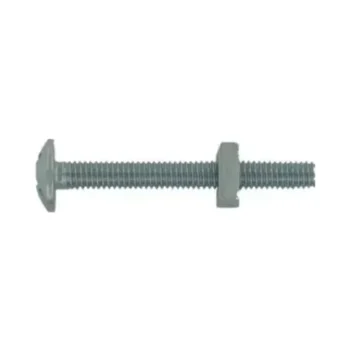
Olympic Fixings Roofing Bolts & Nuts – M6 x 10 mm – 100 Pcs

1 In Stock
More available within:
Usually 1 - 3 Working Days
Read More
SKU: 085-180-010
£5.55

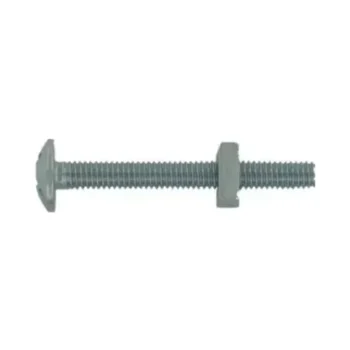
Olympic Fixings Roofing Bolts & Nuts – M6 x 16 mm – 100 Pcs

2 In Stock
More available within:
Usually 1 - 3 Working Days
Read More
SKU: 085-180-020
£5.75

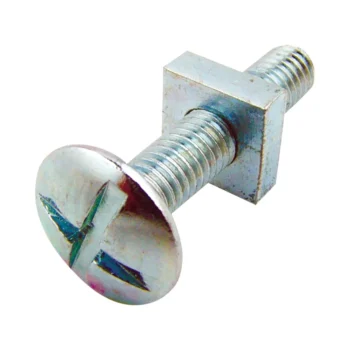
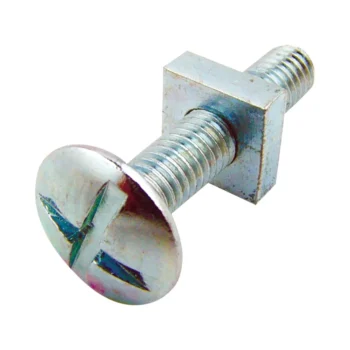
Deligo RFM6X12 M6 x 12mm Roofing Bolt & Nut – Galvanised

Available to Order
Estimated Lead Time:
Usually 1 - 3 Working Days
Read More
SKU: GRB612
£0.15

Deligo M6 x 25 Hot Dipped Galvanised Roofing Bolt & Nut – Pack of 1

50 In Stock
More available within:
Usually 1 - 3 Working Days
Read More
SKU: GRB625
£0.20

Showing all 4 results

Roofing bolts, also known as J-bolts or U-bolts, can be used for the installation of metal cable trays. Metal cable trays are commonly used to support and route electrical cables in various industrial, commercial, and residential applications. Roofing bolts are used to secure cable tray components, such as fittings, brackets, and supports, to various surfaces, including walls, ceilings, and structures. Here’s how roofing bolts are typically used for metal cable tray installation:

  1. Selection of Roofing Bolts:
    • Roofing bolts are available in various sizes, lengths, and materials, including steel, stainless steel, and galvanized steel.
    • Choose roofing bolts that are suitable for the specific cable tray installation, taking into account the tray size, weight, location, and environmental factors (e.g., corrosion resistance for outdoor installations).
  2. Preparation:
    • Before starting the installation, ensure that you have all the necessary cable tray components, roofing bolts, nuts, washers, and appropriate tools, such as wrenches and sockets.
  3. Marking and Positioning:
    • Determine the desired location for the cable tray component (e.g., bracket or support) and mark the positions where the roofing bolts will be installed.
    • Ensure that the marked positions align with the cable tray’s intended route and are properly spaced according to industry standards and regulations.
  4. Drilling Holes:
    • Use a suitable drill and drill bit to create holes in the mounting surface (e.g., wall or ceiling) at the marked positions.
    • Ensure that the hole size matches the diameter of the roofing bolts to be used.
  5. Inserting Roofing Bolts:
    • Insert the roofing bolts through the holes in the mounting surface from the backside (if applicable).
    • Place washers and nuts on the threaded ends of the roofing bolts on the front side of the mounting surface.
  6. Securing Cable Tray Component:
    • Position the cable tray component (e.g., bracket) over the roofing bolts.
    • Secure the component in place by threading the nuts onto the roofing bolts and tightening them using the appropriate tools.
    • Ensure that the component is level, plumb, and securely attached to the mounting surface.
  7. Repeat the Process:
    • Repeat the above steps as needed for additional cable tray components and roofing bolts along the cable tray’s route.
  8. Cable Tray Installation:
    • Once all the cable tray components are securely attached to the roofing bolts, proceed with the installation of the cable tray itself.
    • Place the electrical cables and wiring into the cable tray, ensuring proper organization and support.
  9. Final Inspection:
    • Inspect the entire cable tray installation to ensure that all components are securely fastened and that the cables are properly routed and supported.
  10. Compliance with Standards:
    • Ensure that the cable tray installation complies with relevant electrical standards, codes, and safety regulations, such as the 18th Edition of the Wiring Regulations (BS 7671:2018) in the UK.

Proper installation of roofing bolts and cable tray components is essential for the safe and reliable support of electrical cables. Additionally, compliance with electrical codes and safety standards is crucial to ensure a code-compliant and safe installation. Always consider consulting with a qualified electrician or electrical engineer for specific project requirements and to ensure compliance with applicable regulations.