
VAT:

In-Line Extractor Fans

Enhance your ventilation system with In-Line Extractor Fans from Electrical4Less. These fans are perfect for providing efficient air circulation in your home or business.

Showing all 7 results

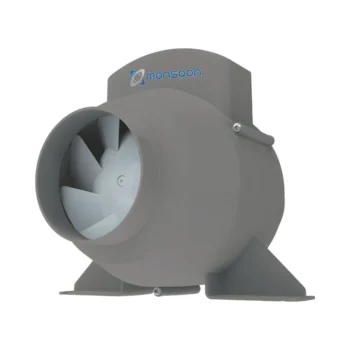
Monsoon UMD100SX | 100mm Mixed Flow In-Line Extractor Fan | 300m³/h

Available to Order
Estimated Lead Time:
Usually 1 - 3 Working Days
Read More
SKU: UMD100SX
£72.63

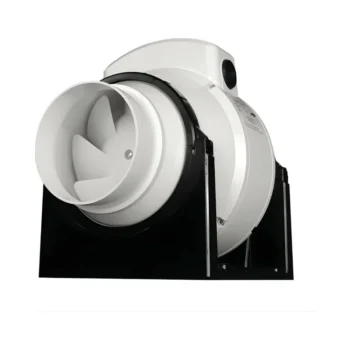
Monsoon UMD100TA | 100mm Timer Domestic In-Line Extractor Fan | 198m³/h

1 In Stock
More available within:
Usually 1 - 3 Working Days
Read More
SKU: UMD100TA
£46.66

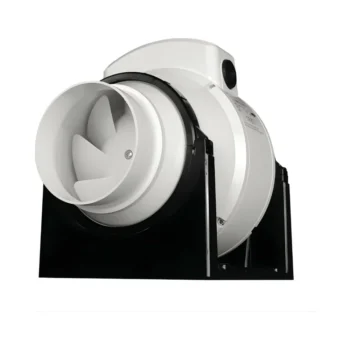
Monsoon UMD100TX | 100mm Mixed Flow In-Line Extractor Fan | 300m³/h

Available to Order
Estimated Lead Time:
Usually 1 - 3 Working Days
Read More
SKU: UMD100TX
£78.19

Monsoon UMD125SX | 125mm In-Line Extractor Fan | 324m³/h

Available to Order
Estimated Lead Time:
Usually 1 - 3 Working Days
Read More
SKU: UMD125SX
£143.37

Monsoon UMD125TX | 125mm In-Line Extractor Fan | 324m³/h

Available to Order
Estimated Lead Time:
Usually 1 - 3 Working Days
Read More
SKU: UMD125TX
£170.35

Monsoon UMD150SX | 150mm In-Line Extractor Fan | 576m³/h

Available to Order
Estimated Lead Time:
Usually 1 - 3 Working Days
Read More
SKU: UMD150SX
£155.22

Monsoon UMD150TX | 150mm In-Line Extractor Fan | 576m³/h

Available to Order
Estimated Lead Time:
Usually 1 - 3 Working Days
Read More
SKU: UMD150TX
£180.67

Showing all 7 results

In-line extractor fans are a type of ventilation fan designed to be installed within ductwork or piping, allowing for efficient air extraction or circulation in residential, commercial, or industrial settings. These fans are typically used in situations where it’s not feasible or desirable to install a traditional wall or ceiling-mounted extractor fan directly in the room. Here are some key points to consider regarding in-line extractor fans:

  1. Location: In-line extractor fans are typically installed within the ductwork, either in the ceiling void, attic space, or suspended from the ceiling. They can also be located in crawl spaces, basements, or other concealed areas. This hidden installation minimizes noise and maintains aesthetics.
  2. Function: In-line extractor fans can be used for various purposes, such as removing moisture, odors, pollutants, and heat from specific areas or rooms. They can also be used to supply fresh air or distribute conditioned air from a central HVAC system.
  3. Ducting: These fans require ductwork to transport air to and from the desired location. Properly sized and installed ducting is crucial for efficient airflow. In-line fans are available in various sizes to accommodate different duct sizes and airflow requirements.
  4. Installation: In-line extractor fans are typically installed by HVAC professionals or experienced installers. Installation involves mounting the fan within the ducting, connecting electrical wiring, and ensuring proper airflow direction.
  5. Performance: The performance of an in-line extractor fan depends on factors such as the fan’s capacity (measured in cubic feet per minute or CFM), the size and design of the ductwork, and the static pressure in the system. Correctly sizing the fan for the application is crucial for optimal performance.
  6. Control Options: In-line extractor fans can be controlled through various methods, including wall-mounted switches, timers, humidity sensors, and remote controls. Some models may also be integrated into building management systems for centralized control.
  7. Noise Levels: Noise generated by in-line extractor fans is typically lower than that of traditional wall or ceiling-mounted fans because the fan motor is located away from the living or working space. However, it’s essential to consider noise levels when selecting a fan, especially in noise-sensitive areas.
  8. Maintenance: Regular maintenance, including cleaning fan components and checking for obstructions in the ductwork, is necessary to ensure optimal performance and longevity.
  9. Energy Efficiency: Selecting energy-efficient in-line extractor fans can help reduce energy consumption and operating costs. Look for fans with high-efficiency motors and consider features like variable speed control to match airflow to demand.
  10. Applications: In-line extractor fans are commonly used in bathrooms, kitchens, commercial kitchens, offices, server rooms, and other spaces where effective ventilation is required.

When considering the installation of in-line extractor fans, it’s crucial to consult with ventilation professionals or HVAC specialists to ensure that the fan’s capacity, ductwork, and control options are suitable for the specific application and meet local building codes and regulations. Properly installed in-line extractor fans contribute to better indoor air quality and a more comfortable living or working environment.