VAT:

Garo PEN Loss Consumer Units for EV

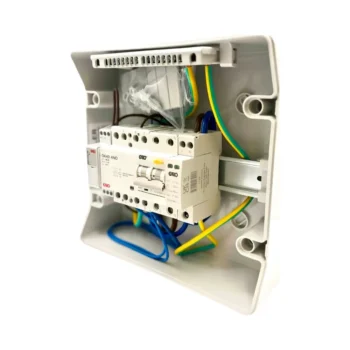
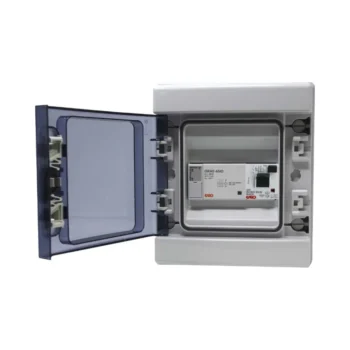
The Garo PEN Loss Consumer Unit range provides safe, regulation-compliant power distribution for EV charging, with integrated PEN fault detection to protect against dangerous touch voltages on PME supplies—no earth rod required.

Showing all 6 results

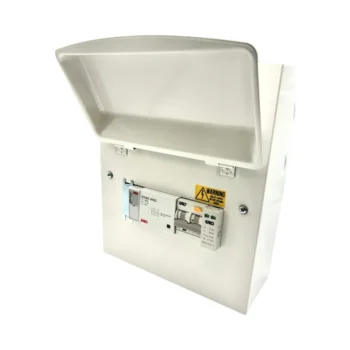
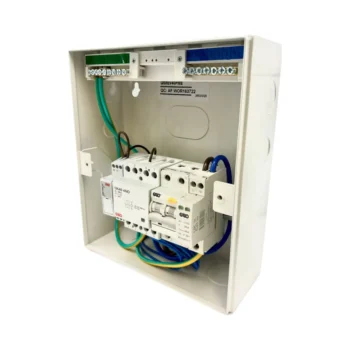
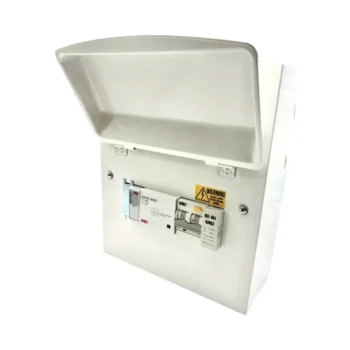
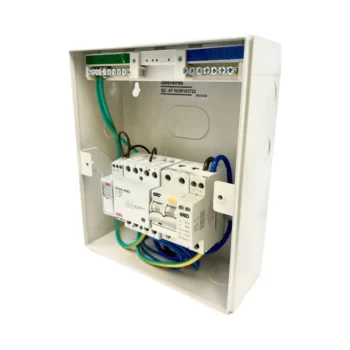
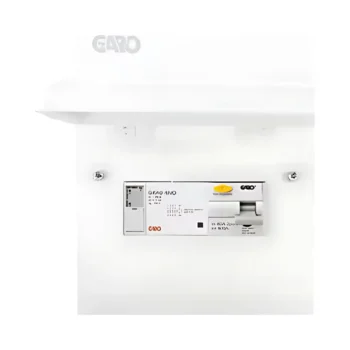
Garo G6EV40PME EV Consumer Unit with PEN Fault Detection and B40A Type A RCBO

1 In Stock
More available within:
Usually 2 - 3 Working Days
Read More
SKU: G6EV40PME
£90.75

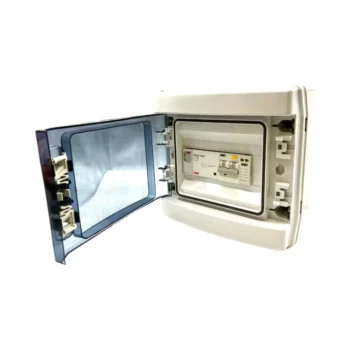
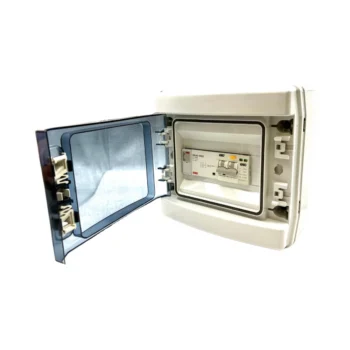
Garo GC6EV40PME IP65 EV Consumer Unit with Double Pole B40A Type A RCBO and PEN Fault Detection

8 In Stock
More available within:
Usually 2 - 3 Working Days
Read More
SKU: GC6EV40PME
£90.75

Garo GCS8EV40CPME IP65 EV Consumer Unit with C40A Type A RCBO, PEN Fault Detection & Surge Protection

7 In Stock
More available within:
Usually 2 - 3 Working Days
Read More
SKU: GCS8EV40CPME
£115.00

Garo GCS8EV40PME IP65 EV Consumer Unit with B40A Type A RCBO, PEN Fault Detection & Surge Protection

5 In Stock
More available within:
Usually 2 - 3 Working Days
Read More
SKU: GCS8EV40PME
£115.00

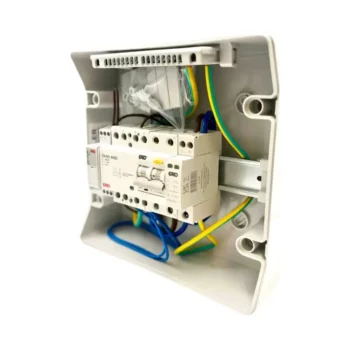
Garo GS8EV40CPME EV Consumer Unit with PEN Fault Detection | C40A RCBO Type A + SPD

7 In Stock
More available within:
Usually 2 - 3 Working Days
Read More
SKU: GS8EV40CPME
£115.00

Garo GS8EV40PME EV Consumer Unit with PEN Fault Detection | B40A RCBO Type A + SPD

7 In Stock
More available within:
Usually 2 - 3 Working Days
Read More
SKU: GS8EV40PME
£115.00

Showing all 6 results

Most modern EV chargers now include their own built-in PEN fault protection, meaning an additional PEN device is not always required. However, some chargers — notably Tesla wall connectors — do not include PEN loss protection, which is where a garo-pen-loss-consumer-unit becomes essential.

These consumer units are specifically intended for EV chargers without integral PEN protection, commonly used on domestic PME (TN-C-S) supplies. By monitoring the supply and automatically disconnecting in the event of a PEN fault, they provide a compliant and safe alternative to installing earth rods.

For electricians, this simplifies design decisions and ensures compliance with current wiring regulations when working with chargers that rely on external PEN protection. For homeowners, it delivers peace of mind that their EV charger remains safe—even if the charger itself doesn’t handle PEN faults internally.