
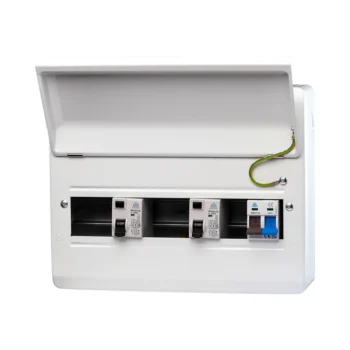
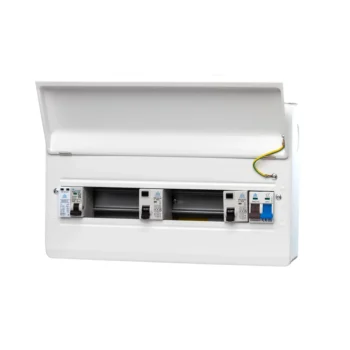
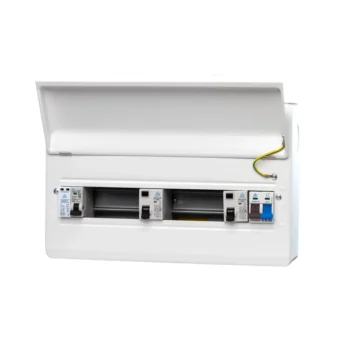
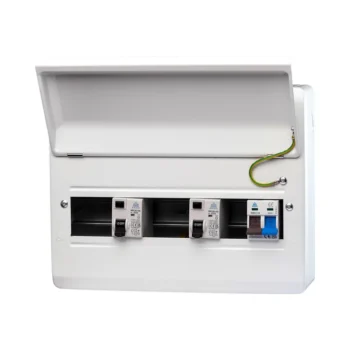
Dual RCD Split Boards

Showing all 4 results

Showing all 4 results







Cut-Off Time and Order Information
To ensure your order qualifies for next day delivery, please place your order by 3:00 PM. This is subject to all items being available on the shelf at the time of your order. For orders where the total value exceeds £200 + VAT (double our standard carriage-paid order value of £100 + VAT), we are happy to split the delivery into two shipments if some items are needed urgently and others are not immediately available. If you have any questions or need further assistance, feel free to reach out to us via WhatsApp for live support. We’re here to help!
Free Next-Day Delivery Over £100 + VAT:
Orders above £100 + VAT qualify for free next-day delivery via DPD for in-stock items. While we strive for timely dispatch, we recommend placing orders early to avoid potential delays. Once dispatched, unexpected issues may arise despite the courier’s efforts.
Orders Below £200 + VAT:
To keep costs manageable, we dispatch your order once all items are ready, including products with longer lead times.
Need items faster? You can pay for an additional delivery service to receive in-stock items sooner. Simply email us with your order details, and we’ll send you a payment link for the extra delivery cost.
Orders Above £200 + VAT:
For larger orders, we can split delivery at no extra cost. In-stock items will be sent immediately, with the remaining items dispatched once available.
This item may be sourced from our supplier before dispatch.
The lead time shown is an estimate only and is based on the usual supplier timeframe. It is subject to supplier availability and is not a guaranteed delivery date.
We do not have a live supplier stock feed, so supplier stock can change without notice.
Delivery timers and courier estimates apply once the item is available for dispatch.
If the item is unavailable, we will contact you with the available options, including waiting for stock, choosing an alternative product, cancellation, or a refund for the unavailable item.
This does not affect your statutory rights.
No problem — message us directly on WhatsApp and we’ll help you out.
We usually respond within minutes during working hours.
To purchase this catalogue item, start by adding it to your quote list. Submit your enquiry with the quantity you require, and our team will help you complete your order.
Where an order contains only WCED products that are not available from our shelf stock, it will usually be dispatched directly from WCED. Delivery often takes 1–2 working days, although stock availability, order cut-off times and courier schedules may affect the timing.
For mixed orders containing products from other suppliers, the dispatch arrangement and delivery time may vary, and the order may follow the longest lead time shown.